One Day by Lovejoy
Breakup Whiplash, Not a Clean Goodbye
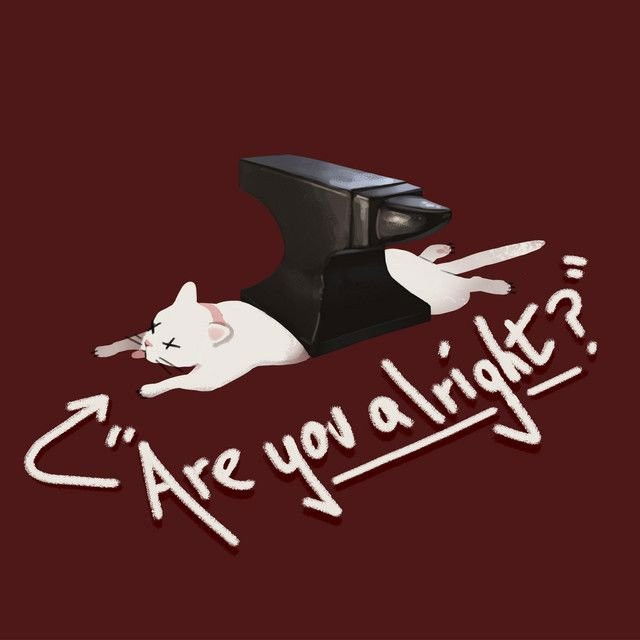
The meaning of One Day Lovejoy centers on emotional whiplash after a messy breakup. The narrator opens with a jolt—kill my cat
—a darkly comic overstatement that says, “you hurt me in a way I can’t ignore.” From there, they admit they still take you back
and play the empath
. That pattern frames the song: they keep offering care, even when it costs them.
"One Day" - Lovejoy
'Cause why'd you have to kill my cat?
Why'd I have to take you back?
Loading lyrics...
Unable to load lyrics
We're unable to display the lyrics at this time. Please try again later.
The chorus promises a reset “one day,” but each verse pulls them right back into the present. This tension—future focus versus old habit—drives the track’s urgency. They want closure, yet the everyday world keeps handing them reminders.
Watch the official One Day
music video
Who’s Talking, and Why They Can’t Let Go
The voice is first-person, speaking straight to an ex. They sound self-aware and a little sardonic. They notice petty scenes like an empty pub
and a toilet seat left up—ordinary details that feel huge after a rupture. These snapshots give the song its sting: the relationship didn’t end with grand gestures, but with the small frictions of real life.
They also own up to fear. When they insist they’re not afraid of empty rooms
or new perfume
, it’s a bluff that collapses a beat later. The confession lands hard: they’re terrified. The song asks why a person would return to pain; the answer seems to be habit, hope, and the lonely quiet that follows a breakup.
A Quick Timeline of the Spiral
- The shock: The song begins mid-argument, with a hyperbolic wound—
kill my cat
—signaling deep hurt and mistrust. - The cycle: Despite the damage, the narrator still
take you back
, role-playing the fixer. - The plea: The other person asks to
turn back time
, wishing for a recent past “before one life turned two,” suggesting a choice that split their path. - The mask slips: The narrator claims they’re fine with newness and solitude, then admits fear.
- The mantra: “One day” becomes a promise to heal later, even as the present keeps resetting.
Put simply, the story isn’t about a final goodbye. It’s about getting caught in the doorway and never stepping fully through.
Ordinary Images, Heavy Meanings
Lovejoy leans on unglamorous images that carry metaphorical weight. The empty pub
feels like turning on the lights after a party—too bright, too honest. The toilet seat left up signals domestic mismatch: small habits that echo bigger carelessness. A deer in headlights
captures the frozen, panicked state that comes when closure shows up before anyone’s ready.
Time is the song’s core motif. The wish to turn back time
collides with the chorus’s future tense. That contradiction is the point: both people are time-traveling in their heads, either rewinding to undo mistakes or fast-forwarding to skip the pain. The present, meanwhile, is the hardest place to stay.
How the Sound Pushes the Story Forward
The band’s brisk drums and jangly guitars keep everything in motion, as if the narrator is walking fast to outpace their thoughts. The vocal delivery feels close and conversational, almost like a late-night rant that spills into melody. When the background shouts and the stray “woo” arrive, they cut the tension for a second, then throw the listener back into the loop.
This is classic indie rock sleight of hand: bright sonics carrying heavy content. The guitars sparkle, the tempo surges, and the chorus lifts like a promise. Yet the lyrics admit that promise keeps breaking. The contradiction is deliberate. The music says, “move on,” while the words show how hard it is to do it.
Alternate Readings Worth Considering
- Interpretation: Codependency spiral. The narrator prides themselves on being the fixer—
play the empath
—and keeps returning because solving the other person’s problems defines them. The fear of anempty pub
or “empty rooms” makes distance feel worse than dysfunction. - Interpretation: Satire of “closure.” The everyday props (toilet seat, bar lights) make closure look cheap and awkward. When the lights come up, there’s no grand lesson—only mess and glare, like that
deer in headlights
.
Either way, the refrain’s future tense is a coping mechanism. “One day” becomes a calendar the narrator never flips to. The meaning of One Day Lovejoy is that moving on may require stepping into the quiet room you fear, not promising to do it tomorrow.
Final Takeaway
Lovejoy turns small domestic irritations into a big emotional map. The song shows how people promise the future to avoid the present—and how fear keeps them returning to what hurts. It’s catchy, candid, and painfully human.
Disclaimer: This analysis reflects one interpretation based on lyrics, performance, and common themes; actual intent may differ.








