Why Lucifer Turns This Love Song Dark
The meaning of Every Breath You Take Lucifer Cast, Debbie Gibson, Tom Ellis comes into focus when the song stops sounding like a soft love ballad and starts sounding like a threat. In Lucifer, that shift is the whole point.
"Every Breath You Take" - Lucifer Cast ft. Debbie Gibson, Tom Ellis
And every move you make
Every bond you break
Loading lyrics...
Unable to load lyrics
We're unable to display the lyrics at this time. Please try again later.
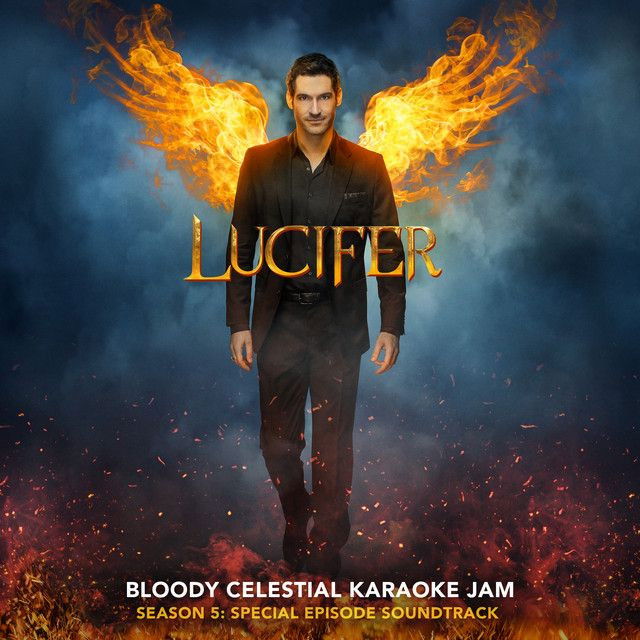
Tom Ellis performs the song with Debbie Gibson in the Season 5 musical episode, “Bloody Celestial Karaoke Jam,” during JJ’s interrogation. According to the episode summary and soundtrack listing, the duet happens as Lucifer questions JJ and pushes back against his mother’s controlling influence. That context matters because it changes how the audience hears every line.
A Famous Hook With a Dark Core
On paper, the song looks simple: someone cannot let go of another person. But the repeated promise I'll be watching you
is not comforting here. It suggests constant monitoring, ownership, and emotional pressure.
That reading is not unique to the show. Sting, who wrote the song under his real name Gordon Matthew Sumner, has described it as darker than many people first assumed, often calling attention to its possessive tone in interviews and retrospectives. In Lucifer, the cover does not soften that idea. It amplifies it.
Watch the official Every Breath You Take
music video
How the Scene Rewrites the Song
Lucifer Uses the Lyrics as a Mirror
In the episode, the duet is not random fun. It is part of an interrogation in a musical world shaped by God’s presence, where characters break into song as emotions spill out. The Lucifer Wiki episode page notes that these musical numbers are diegetic in the story, which means they reflect the scene’s emotional truth.
That makes this cover especially sharp. When the song circles around phrases like You belong to me
and poor heart aches
, the show frames them less as heartbreak and more as a claim of control. Lucifer uses the moment to expose what Mrs. Bitner is doing to her son.
The Pronouns Matter
One clever twist in this version is the shifting perspective. The lyrics move between watcher and watched, including lines like He'll be watching me
. That change adds a push-pull dynamic.
Interpretation: In this scene, the song becomes less about one ex-lover and more about a whole system of pressure. A controlling parent watches the child, but the child also lives under that gaze so fully that it shapes how he moves, speaks, and behaves.
What the Lyrics Mean in This Version
The song’s central images are simple and repetitive: breath, step, move, word, vow. None of those are dramatic on their own. That is exactly why they work.
Small Actions, Total Surveillance
By listing ordinary actions, the song suggests there is no private space left. Even basic life becomes subject to inspection. Phrases such as every move you make
and every word I say
turn daily behavior into evidence.
Interpretation: In Lucifer, this fits the interrogation setting perfectly. The scene is about pressure, performance, and parental overreach. The song’s repetition sounds like a net tightening.
Loss Turns Into Possession
The verse about being lost after someone leaves adds sadness. The singer feels empty and unable to replace the missing person. On its own, that could sound vulnerable.
But the hook changes the feeling. Instead of grief leading to acceptance, it turns into surveillance. The emotional logic becomes: if they are gone, they will be tracked. That is why the song remains unsettling even when the melody sounds smooth.
Since you've gone
lost without a trace
see your face
Those short lines show longing, but in this performance, longing does not become healing. It becomes fixation.
Why Tom Ellis and Debbie Gibson Sell the Idea
Tom Ellis plays Lucifer with charm, irony, and bite, so his delivery can sound playful and cutting at the same time. Debbie Gibson’s presence matters too. As Mrs. Bitner, she gives the song a polished, almost respectable surface, which makes the controlling subtext even stronger.
That contrast is key to the meaning of Every Breath You Take Lucifer Cast, Debbie Gibson, Tom Ellis. The duet lets both singers embody a struggle over who gets to define love, care, and protection. In the scene, “watching” is not the same thing as loving.
How the Music Supports the Meaning
The original song by The Police is famous for its clean, bright sound. Its steady beat and elegant guitar line can make listeners miss how creepy the words are. Lucifer uses that tension well.
Smooth Sound, Unsettling Message
Because the melody is so familiar and controlled, the performance feels calm on the surface. That calmness makes the lyrics land harder. The audience hears a catchy tune while the scene reveals manipulation underneath.
The episode itself earned an Emmy nomination for choreography, which fits its larger design as a musical episode built around emotional conflict. This number is less flashy than some others, but it is one of the smartest because it lets the song’s structure do the dramatic work.
The Bigger Theme Inside Lucifer
This scene also connects to the show’s wider interest in family wounds. “Bloody Celestial Karaoke Jam” centers heavily on Lucifer’s pain around his father and on broken parent-child relationships. So this duet is not just about JJ and his mother.
Interpretation: The song echoes one of the episode’s biggest ideas: authority can claim to act out of love while still causing harm. That gives the cover extra weight inside the series.
Final Take on the Song’s Meaning
The meaning of Every Breath You Take Lucifer Cast, Debbie Gibson, Tom Ellis is not sweet romance. In this version, it is a pointed study of obsession, control, and the way love language can hide possessiveness.
By placing the song in an interrogation and turning it into a duet about a mother’s grip on her son, Lucifer reveals the darkness many listeners miss. It is catchy, clever, and uncomfortable on purpose.
Disclaimer: This article includes clearly labeled interpretation, and song meaning can vary from listener to listener depending on context and experience.









