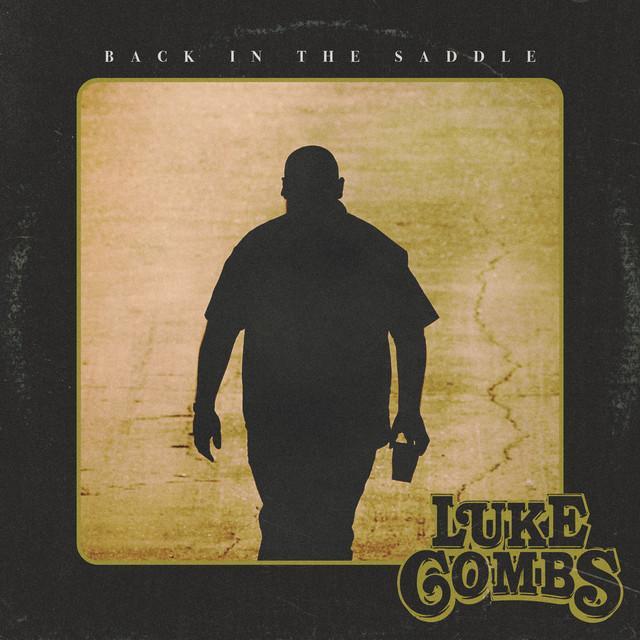
Back in the Saddle by Luke Combs
Luke Combs turns a familiar comeback phrase into a chest-out country anthem about returning with purpose, pressure, and pride.
"Back in the Saddle" - Luke Combs
Provided by LyricFindI've been gone for a little too long
I've been waitin' on a drummer to kick off a comeback song
I've been waitin' in the wings like a dog on a chainLoading...Loading lyrics...
Unable to load lyrics
We're unable to display the lyrics at this time. Please try again later.
Why This Comeback Hits So Hard
The meaning of Back in the Saddle Luke Combs starts with a simple idea: they are returning after an absence, and they want everyone to feel that return immediately. The song is built around motion, force, and self-belief. Instead of sounding reflective or nervous, it sounds like a door getting kicked open.
Factually, the track was released in 2025 and was written by Luke Combs, Jonathan Singleton, and Dan Isbell, with Combs co-producing alongside Singleton and Chip Matthews, according to Songfacts. That team matters because the song feels designed to reintroduce Combs in the most recognizable way possible: big guitars, a rough-edged vocal, and a hook that lands like a statement.
The Core Meaning: Return, Reclaim, Repeat
At its heart, the song is about reclaiming momentum. The narrator says they have been gone too long and have been waiting for the moment to break loose. When the verse mentions being gone for a little too long
, it frames the absence as real, but temporary. They were never finished. They were only waiting.
That is why the chorus matters so much. The title phrase is not just about getting back to work. It is about getting back to identity. In country music, the saddle is more than a seat on a horse. It suggests toughness, direction, tradition, and command. By saying they are back in the saddle
, the narrator claims all of that at once.
Interpretation: The song reads as both personal and professional. It can describe Combs returning to the spotlight after pulling back for family life, but it also works as a broader anthem for anyone trying to reenter a hard season with confidence.
A Narrator Who Refuses to Ease In
From waiting to ignition
The first verse does not show a gentle reentry. It shows tension building. Phrases like waitin' in the wings
and checking if there is live in it
suggest stored energy. The singer is not unsure; they are restless.
That restlessness gives the song its emotional engine. They are not asking permission to come back. They already know the fire is there. The line about the call becoming impossible to ignore turns the return into something almost physical, as if instinct is stronger than caution.
Cowboy Myth, Modern Career
The song’s most striking move is how it borrows old Western language to talk about a modern career comeback. The chorus presents the singer like an old cowboy rising again, almost as if they have survived burial and climbed back out. That image is exaggerated on purpose. It makes the return feel dramatic, earned, and larger than life.
dug his way out of his grave
took hold of the reins
Those brief images push the comeback past simple perseverance. This is not just a person returning to work after a break. This is someone reviving a version of themselves that felt dormant.
Interpretation: There is a little theater in this writing, and that helps. Combs and his co-writers turn ordinary career persistence into frontier myth. That makes the song feel bigger than biography.
How the Chorus Turns Confidence Into Meaning
The chorus works because it balances swagger with reassurance. The singer sounds tough, but they also say don't worry where I've been
. That phrase matters. It suggests outside questions, maybe even doubt, and then dismisses them.
In plain terms, the chorus says: the past gap does not matter because the present return does. That is why the repeated ending lands well. Repetition here is not filler. It is proof. The more they say it, the more the comeback becomes real.
The Sound Makes the Return Feel Physical
According to Songfacts, the track has a brash, stomp-heavy sound with guitars and grit, and it recalls the force of Combs’ soundtrack single “Ain’t No Love in Oklahoma.” That production choice is central to the song’s meaning.
A softer arrangement would have made the lyric feel nostalgic. Instead, the beat and guitars make it feel immediate and muscular. The drums hit like forward motion. The guitars give the chorus weight, like boots striking the ground. Combs’ vocal is not polished into calmness either. They sound pushed, rough, and committed, which sells the idea that this return is fueled by hunger.
Artist Context Gives the Song Extra Punch
Combs reportedly said the song felt like “coming home,” and described the attitude behind it as needing unwavering confidence, as quoted by Songfacts. That comment helps explain why the song never sounds apologetic. It is not framed as humble reentry. It is framed as necessary belief.
That context also fits how the song was received. Songfacts notes it was tied to Combs returning after time focused on family, and it later opened the 2025 CMA Awards. That kind of stage placement supports the song’s purpose: this was meant to announce presence.
The Video Extends the Song’s Meaning
The music video adds another layer by trading horses for race cars. Filmed at Tri-County Motor Speedway in North Carolina, it features Dale Earnhardt Jr. and Richard Petty, according to American Songwriter. Earnhardt Jr. said the song felt like grassroots racing, not something sleek or modern.
That is a smart match. The video keeps the comeback grounded in working-class Southern imagery. Just like the lyrics choose cowboy symbols, the video chooses local track culture over glossy spectacle. Both choices say the same thing: this return is about roots, not reinvention.
What the Song Finally Says
The meaning of Back in the Saddle Luke Combs is not complicated, but it is effective. The song is about returning to one’s lane with force, identity, and a refusal to shrink. Its cowboy images, hard-driving production, and comeback framing all work together to make that message feel big.
Interpretation: Listeners can hear it as Combs reentering country’s center ring, or simply as a motivational song about waking up the version of oneself that still has fight left.
Disclaimer: This interpretation mixes verified facts with informed reading of the lyrics and imagery. Songs can support more than one meaning.








