How "Wing$" Turns Sneakers Into a Warning
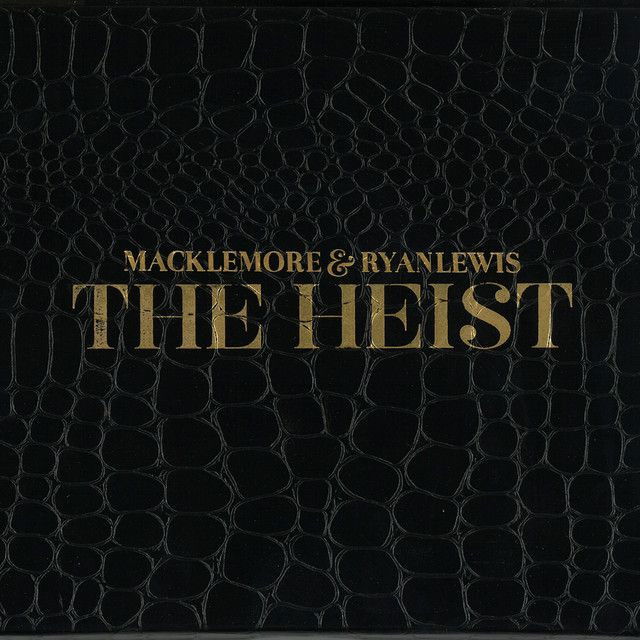
The meaning of Wing$ Macklemore & Ryan Lewis, Macklemore, Ryan Lewis starts with a simple childhood memory and grows into a critique of American consumer culture. Released in 2011 as the debut single from The Heist and later included on the 2012 album, the song is one of the duo’s clearest statements about brands, aspiration, and identity (Wikipedia).
"Wing$" - Macklemore & Ryan Lewis, Macklemore, Ryan Lewis
And I stepped outside
And I was like, momma, this air bubble right here, it's gonna make me fly
Loading lyrics...
Unable to load lyrics
We're unable to display the lyrics at this time. Please try again later.
Rather than praising sneaker culture, they use it to ask a hard question: what happens when a product begins to tell a person who they are?
A Childhood Dream With a Price Tag
At first, the song feels full of wonder. Macklemore remembers being a kid who believed a pair of shoes could make him special, even superhuman. That early excitement comes through in short images like make me fly
and best day of my life
. He is not just describing footwear; he is describing the emotional power that advertising and sports mythology can have on a child.
The basketball references matter here. The dream is not only about style but about becoming a star, specifically the kind of icon sold through shoe culture. When he admits he wanted to be like Mike, the song connects personal desire to a larger American machine of celebrity marketing. In plain terms, the shoes become a shortcut to greatness, or at least the feeling of it.
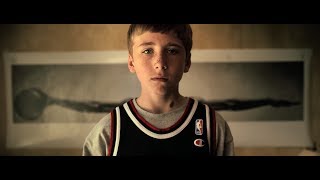
Watch the official Wing$
music video
Where the Song’s Real Critique Begins
The key turn in the story is that the shoes stop being innocent. The verses move from excitement to social pressure, then to danger. A devastating detail about a young man killed for his sneakers shows how status objects can take on a life far beyond their practical value.
That is the song’s central argument: consumer goods are not neutral when a culture loads them with meaning. Macklemore later explained that the track was about “the pursuit of identity through the means of consumerism,” using shoes to paint a broader picture of attachment to “logos, labels, brands” (Wikipedia).
Interpretation: the song is not anti-shoe in some narrow sense. It is anti-confusion. It pushes back on the idea that buying the right thing can build a self.
The Hook Sounds Beautiful—And That’s the Point
The chorus is crucial because it sounds hopeful. The image of wanting to fly suggests ambition, escape, and reaching for something bigger. But the ending flips that dream. In the final line, the singer realizes, I bought these dreams
. That phrase changes everything.
Instead of natural hope, the song reveals a manufactured desire. The dream did not fully come from within; it was sold through branding, peer pressure, and image-making. Even the title, stylized as Wing$, ties flight to money.
Stitch my wings
And pull the strings
I bought these dreams
Those lines suggest control from outside forces. The dream is lifted up like a puppet, not a true form of freedom.
Logos, Mirrors, and the Loss of Self
One of the smartest parts of the lyric is how it tracks identity formation. As a kid, they think the shoes help them fit in. Later, the logic hardens into a belief that what they wear is what they are. That is why lines about the brand logo and the box matter so much: the packaging becomes part of the self.
The song even turns inward and asks what happens when a person looks in the mirror after building identity around products. A short phrase like part of a movement
sounds proud on the surface, but the next idea undercuts it. This “movement” is not rebellion. It is mass consumption dressed up as individuality.
Interpretation: that tension is the song’s sharpest irony. People feel unique because of a purchase that millions of others were trained to want too.
Why the Production Feels So Reflective
Ryan Lewis’s production helps the message land. According to Songfacts, “Wing$” began as an a cappella idea before being expanded into a full track, with Hollis Wong-Wear writing the chorus and helping organize the children’s choir (Songfacts). That origin matters because the finished song still carries a handmade, reflective quality.
The children’s voices are especially effective. They make the hook sound innocent, almost like a playground fantasy. That innocence clashes with the verses about violence, social pressure, and manipulation. The result is emotional whiplash by design.
Lewis also avoids an overly aggressive beat. Instead, the arrangement feels spacious and thoughtful, which gives the listener room to hear the critique rather than miss it inside swagger.
The Video and the Backlash Added Another Layer
The music video, directed by Zia Mohajerjasbi, visualizes the song’s autobiographical arc with basketball imagery, youth scenes, and the darker consequences of sneaker obsession (Wikipedia). It helps make the song’s message plain: this is not just nostalgia, but warning.
In 2013, an edited version appeared in TNT’s NBA All-Star promotion, and some critics said that trimming the anti-consumer parts weakened the song’s message. Macklemore responded that the full version still carried the real depth and that using the song did not compromise his artistic integrity (Wikipedia). That debate actually proves the song’s point. Even a critique of branding can be pulled back into the branding machine.
What "Wing$" Ultimately Says
The lasting power of the song is that it speaks to something bigger than sneakers. It is about how desire gets taught, how status gets marketed, and how children learn to attach identity to products before they can fully question the system.
For many listeners, the meaning of Wing$ Macklemore & Ryan Lewis, Macklemore, Ryan Lewis is this: chasing a brand can feel like chasing freedom, but the song argues that the two are not the same. In the end, the shoes are just shoes. The dream around them is what costs more.
Disclaimer: This interpretation blends documented artist intent with close reading of the lyrics, production, and public reception. Different listeners may hear the song differently.








