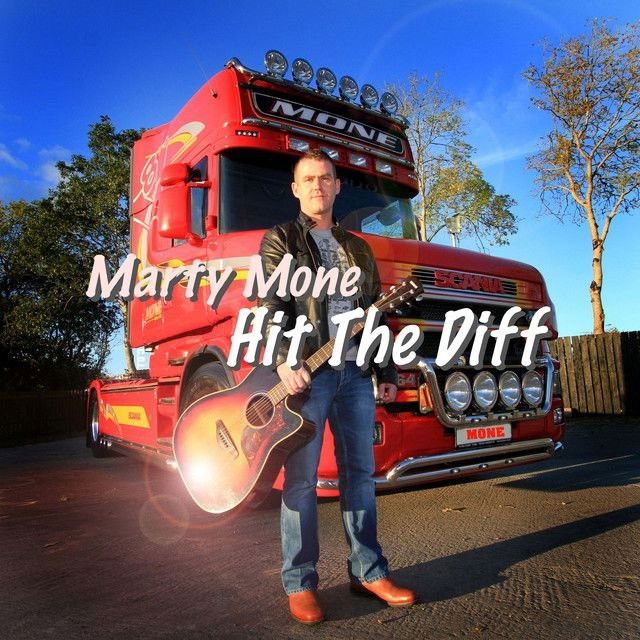
How 'Hit the Diff' Turns Farm Work Into Myth
The meaning of Hit the Diff Marty Mone starts with movement. This is a song about machines, pressure, risk, and pride. But it is not just a novelty track about tractors. It turns agricultural labor into a kind of folk hero story, where speed, breakdowns, and exhaustion become badges of honor.
"Hit the Diff" - Marty Mone
Drawing, hauling and buckraking
Backing, stacking, plowing, crashing
Loading lyrics...
Unable to load lyrics
We're unable to display the lyrics at this time. Please try again later.
Marty Mone is an Irish singer-songwriter known for country-influenced songs with strong rural identity. This song is widely associated with farming and tractor culture, and Mone is credited as its writer. In that sense, the track works like a modern work anthem: funny on the surface, but deeply tied to a real community.
More Than a Tractor Song
At first glance, the lyric reads like a giant list of tasks: mowing, hauling, plowing, wrapping, trucking. That long opening rush matters. It throws the listener straight into a nonstop cycle of work. There is barely any pause, and that is the point.
Instead of telling a neat story right away, the song builds a world. These workers are always moving from one job to the next. They live by the weather, the machine, and the clock. The repeated action words make farm labor sound relentless, physical, and oddly thrilling.
Interpretation: The song celebrates hard work, but it also shows how work can swallow up a whole season. The singer talks less about rest or home life than about engines, fields, and deadlines. That imbalance feels intentional.
Watch the official Hit the Diff
music video
The Chorus Turns Stress Into Swagger
The hook is where the song’s meaning becomes clear. When they sing hit the diff
and pray
, the lyric captures a whole attitude. The driver uses skill, but luck still matters. The machine may make it through, or it may not.
That mix of control and chaos gives the chorus its charm. Phrases like flat to the mat
suggest total commitment, even recklessness. The song does not deny the danger. It turns danger into a joke shared by people who know the job.
There is also a social side to the chorus. The mention of party hats
and heading for tea gives the whole thing a communal feeling. They are not racing only for money. They are racing toward routine, banter, and the small rewards that make brutal work feel worth it.
A Life Measured in Fuel, Fields, and Time
The verses fill in the details of that world. They describe long nights, overworked equipment, no brakes, no lights, and fuel running out. All of this creates a picture of farm labor as a test of nerve.
One of the sharpest ideas in the song is how personal life gets pushed aside. The narrator says goodbye to a woman in a hurry and only reconnects much later. That is funny in delivery, but the meaning underneath is clear: seasonal work can dominate everything.
What the timeline suggests
- Work begins with a flood of tasks.
- The crew keeps going past sunset.
- The machines start failing or acting up.
- Personal relationships drift into the background.
- The cycle continues because the season is short.
This is why the line about summer not lasting matters. The song understands farming as a race against time. Nature sets the deadline, not the worker.
Why the Machinery Feels Like Character
The tractors and tools are almost characters in the song. They break down, resist, lurch, and somehow survive. The singer gives loving attention to technical details because the machines are central to identity in this setting.
When the lyric mentions things like gears, diesel, and power, it is not just realism. It is also affection. These workers know their equipment so well that every fault becomes part of the story. Even the line about seeing stars
works both as exhaustion and as rough physical motion.
Interpretation: The machinery stands for toughness and improvisation. If the vehicle keeps moving, the worker keeps moving too. That link between person and machine is one of the song’s deepest themes.
Sound That Matches the Dirt and Speed
The production helps explain the meaning of Hit the Diff Marty Mone. The song moves with the bounce of country dance music, but it carries the hard edges of rural work songs. Its rhythm is direct and driving, like a machine running hot.
The vocal style matters too. Mone delivers the lines with humor and force rather than sadness. That keeps the song from becoming a complaint. Instead, it sounds like a tall tale told after the shift, where the worst parts become the funniest parts.
The repeated lists of verbs act almost like percussion. They create a chant effect, making labor sound musical. That is a big reason the song became so memorable: it turns technical farm language into a hook.
The Last Twist Expands the Story
Near the end, the song looks beyond one local job and toward another season elsewhere, ending with heading to New Zealand
. That detail opens the song up. It suggests this culture is not only local but global, tied to migrant seasonal work and the search for the next harvest.
That final move also changes the mood. The grind is still there, but so is adventure. The workers are tired, but they are also part of a traveling rural circuit where the work never fully ends.
Why the Song Lasts
What makes this song stick is its balance. It is funny without mocking the work. It is proud without hiding the cost. And it is packed with insider language while still being easy for outsiders to feel.
In the end, the meaning of Hit the Diff Marty Mone is about more than tractors. It is about turning hard labor into legend, turning danger into laughter, and turning seasonal pressure into identity. They are singing about farming, yes, but also about endurance, community, and the thrill of making it through one more impossible day.
Disclaimer: This interpretation is based on the lyrics and publicly known context. As with most songs, listeners may hear meanings that differ from this reading.








