Why "Risingson" Feels Like a Bad Night Out
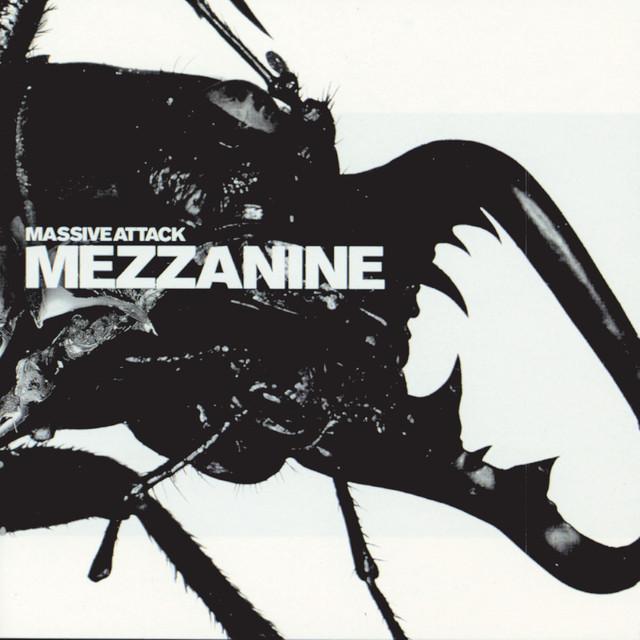
The meaning of Risingson Massive Attack comes through less as a tidy story and more as a mood: attraction mixed with disgust, intimacy mixed with paranoia, and nightlife turned into something cold and unreal. Released in 1997 as the lead single for Mezzanine and later appearing on the 1998 album, the track marked a darker turn for the Bristol group, with Robert Del Naja, Daddy G, and Andrew Vowles working alongside producer Neil Davidge. It reached No. 11 on the UK Singles Chart and helped signal the album’s heavier sound.
"Risingson" - Massive Attack
It was never clearer in my era so
You lick a shine upon your forehead or
Loading lyrics...
Unable to load lyrics
We're unable to display the lyrics at this time. Please try again later.
A Club Song With No Joy
At first, the lyrics sound like they are moving through a party scene. There are mirrors, corridors, a club maze, and a men’s room sink. But these are not glamorous details. They make the setting feel harsh and fluorescent, like a place where people study themselves more than they connect.
That is why the opening image matters. The speaker watches someone go to a mirror, and instead of romance, they notice performance and self-checking. A phrase like cold mirror
suggests not warmth, but surface. This is a song about being surrounded by bodies and still feeling cut off.

Watch the official Risingson
music video
The Speaker Sounds Hooked and Repelled
One of the song’s strengths is that the voice never settles into one emotion. They seem drawn to another person, yet also worn down by them. When the song says I'm dying to leave
, it cuts through the haze with plain exhaustion.
That line is important because it stops the track from sounding like simple club poetry. Beneath the cool imagery is someone who feels trapped in a cycle of desire, friction, and social pressure. The repeated push-pull gives the song its nervous energy.
Fragments of Identity and Confusion
Another key part of the meaning of Risingson Massive Attack is identity blur. The speaker says they see themselves on their lover and then admits they cannot fully tell one person from another. That confusion makes the nightlife world feel interchangeable, almost depersonalized.
When they say I don't know you from another
, the idea is not just mistaken identity. It points to emotional numbness. People become versions, masks, or types. In that reading, the song is not only about one relationship failing; it is about modern social life flattening everybody into reflections and roles.
Interpretation: intimacy without recognition
A strong interpretation is that the song describes intimacy that never becomes real closeness. Bodies are near, but minds stay distant. The speaker can project desire onto another person, yet they cannot fully know them. That helps explain why the track sounds so seductive and so deadened at once.
The Chorus Turns Escape Into a Theme
The song’s repeated closing thought, dream on
, sounds simple, but it carries a lot of weight. It can be heard as dismissal, self-protection, or bitter advice. Instead of promising a future, it shrugs one off.
The same goes for the line about being taken to a party just to breathe and leave. The point is not celebration. It is survival. Every social encounter seems to erase boundaries rather than build trust, which fits the line about severed lines.
Where have all those flowers gone?Long time passing
That brief borrowed moment matters because it brings in a famous lament about loss. Here, it feels stripped of innocence. In the middle of this dark club world, the old question about vanished beauty becomes almost sarcastic.
Borrowed Pieces Add Meaning
Factually, the song interpolates Pete Seeger’s “Where Have All the Flowers Gone?” and samples The Velvet Underground’s “I Found a Reason.” Those references are part of why the lyrics feel haunted. The song is not building from scratch; it is pulling fragments from older music about loss and purpose and dropping them into a modern, damaged environment.
When the track repeats I found a reason
, it does not sound triumphant. It feels unstable, maybe even ironic. A listener can hear it as a search for meaning that never fully lands.
Sound Design Is the Message
The production is essential to the song’s meaning. Reviewers at the time noted its darkness, prowling bass, and dense dub effects, and that description still fits. The beat creeps more than it drives. The bass feels physical, while the reverb and echo make everything seem distant at the same time.
This is classic Mezzanine territory: claustrophobic, nocturnal, and threatening. Rather than supporting the lyrics, the sound acts like another narrator. It tells the listener that this environment is seductive but unsafe. The result is a track that feels both intimate and industrial.
Why the vocals matter
Del Naja and Daddy G deliver the lines in a low, almost drained style. They do not oversell emotion. That restraint makes the unease stronger. Instead of exploding, the song simmers.
A Wider Reading Beyond the Party
There is also a broader interpretation. The toy imagery and references to crowd behavior suggest contempt for shallow social performance. When the song mentions Toy-like people
, it may be criticizing people who seem manufactured, passive, or easily controlled.
In that reading, “Risingson” is not only about one bad night. It is about consumer culture, image obsession, and emotional disconnection. The club becomes a symbol for a larger modern condition: lots of stimulation, very little human truth.
Why "Risingson" Still Connects
Part of the reason the track lasts is that it refuses to explain itself too neatly. It gives listeners a sequence of mirrors, bodies, smoke, pressure, and emotional static, then lets them sit inside that tension. The meaning of Risingson Massive Attack is best understood as a portrait of seduction turning vacant.
They made a song that feels cool on the surface and deeply uneasy underneath. That contrast is the point.
Interpretation disclaimer: song meaning is not fully fixed, and this reading blends lyric analysis with documented context about the track’s release, production, and influences.








