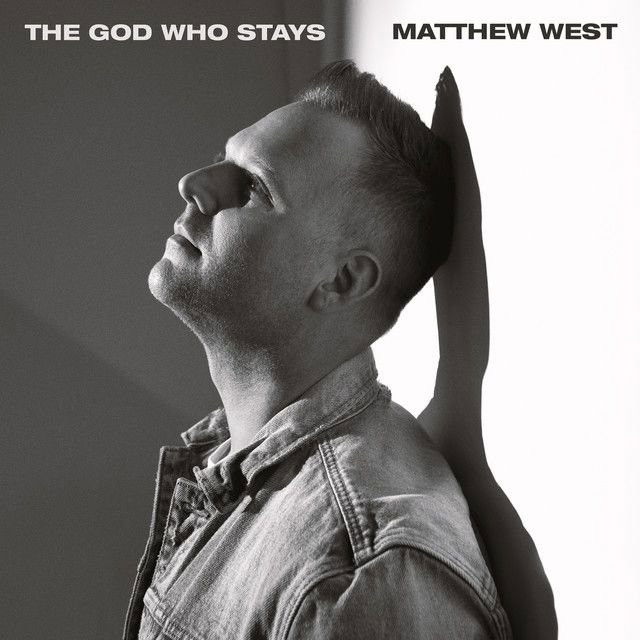
Why 'The God Who Stays' Feels So Personal
The meaning of The God Who Stays Matthew West comes down to one clear idea: this is a song about grace that does not leave when shame gets loud. Matthew West builds the track around a struggle many listeners know well—feeling too damaged, too guilty, or too far gone—and then answers that fear with a picture of divine love that stays put.
"The God Who Stays" - Matthew West
I would've labeled me a lost cause
'Cause I feel just like a lost cause
Loading lyrics...
Unable to load lyrics
We're unable to display the lyrics at this time. Please try again later.
Rather than arguing theology in a heavy way, the song speaks in plain emotional language. It starts with self-accusation, then turns toward reassurance. That simple shift is why the song has connected with so many Christian pop and worship listeners.
A Song About Shame Meeting Steady Love
At the start, the narrator measures themself by their own worst thoughts. They feel like a failure and imagine that God would see them the same way. Phrases like lost cause
and beyond repair
capture that mindset in a few blunt words.
Then the song flips that inner story. Instead of leaving, God remains present. The key emotional turn is not that the person suddenly becomes perfect. It is that God sees them differently from how they see themselves.
Interpretation: This is why the song feels comforting rather than demanding. It does not say, “Fix yourself first.” It says love arrives before repair is complete.

Watch the official The God Who Stays
music video
The Chorus Turns the Whole Message Around
The chorus is the heart of the song’s meaning. When West repeats the God who stays
, he makes constancy the song’s central image. The point is not just that God exists, but that God remains near when other people—or even the singer’s own confidence—fall away.
Another key phrase, runs in my direction
, gives the song motion. This is not distant mercy. It is active pursuit. The image suggests a God who moves toward pain instead of avoiding it.
That matters because the verses describe retreat: hiding, guilt, and the feeling of not measuring up. The chorus answers all of that with closeness, welcome, and open-armed acceptance.
The Spiritual Idea Behind the Lyrics
The song’s Christian message strongly lines up with the New Testament theme that nothing can separate believers from God’s love, especially the language of Romans 8. The lyric about nothing being able to separate the heart from God clearly echoes that promise.
West has often written songs that translate Christian teaching into everyday emotional speech, and that is true here as well. According to song credits, “The God Who Stays” was written by Matthew West, Jonathan Smith, and Andrew Pruis, whose work in contemporary Christian music often centers on testimony-driven songwriting and accessible hooks.
Interpretation: Even for listeners outside church culture, the song can still land as a message about unconditional love. Its religious frame is clear, but its emotional conflict is universal.
How the Verses Build a Story of Return
The song moves in a simple but effective sequence:
- The narrator judges themself harshly.
- They expect rejection.
- They admit they used to hide when they felt they had failed.
- They learn that love does not have to be earned.
- The chorus confirms that God stays.
That timeline matters. The song is not only celebrating comfort; it is describing a change in understanding. Early on, the speaker thinks relationship with God depends on performance. Later, they realize grace works differently.
The line about trying to earn my way
is especially important. It names a religious fear that many people carry: the idea that acceptance must be deserved. The song rejects that idea directly.
Why the Repetition Matters So Much
Some listeners may notice how often the song repeats its core phrases. In pop songwriting, repetition helps a hook stick. In worship music, repetition often does something deeper: it lets a truth move from the head into the heart.
That is exactly what happens here. The list of things that cannot separate the singer from God—shame, guilt, past wounds, failure—works like a series of doors being shut on fear. Each repeated denial strengthens the same message.
My shame can't separate
My guilt can't separate
My past can't separate
This brief progression is the song’s emotional center. It takes vague anxiety and names it, one piece at a time.
How the Sound Supports the Meaning
Musically, “The God Who Stays” fits Matthew West’s polished contemporary Christian style. The arrangement leans on a soft opening, clear lead vocal, and a gradual build into a fuller chorus. Piano and steady percussion help give the song warmth, while the expanding instrumentation makes the chorus feel bigger and safer.
That production choice supports the lyric perfectly. The song does not sound restless or chaotic. It sounds anchored. That sense of stability mirrors the message of a God who does not disappear.
West’s vocal delivery also matters. He sings these lines with restraint more than theatrical power, which keeps the message personal. Instead of sounding like a distant sermon, the track feels like a confession turning into relief.
Why the Song Connected So Widely
Part of the song’s appeal is that it speaks to believers who feel spiritually exhausted. Many Christian songs celebrate faith from a place of confidence. This one starts from self-doubt. That makes it easier for struggling listeners to enter.
It also offers comfort without minimizing pain. The song does not deny shame; it answers shame. That difference is why the message feels earned.
For anyone searching for the meaning of The God Who Stays Matthew West, the simplest answer is this: it is a song about being loved at the exact moment someone assumes they will be left behind.
The Lasting Takeaway
“The God Who Stays” endures because it turns a deep fear into a simple promise. It says human failure may feel final, but divine love is steadier than that feeling.
Interpretation: The song’s real power is not only in its religious claim. It is in the emotional reversal at its center: the one who expects abandonment discovers presence instead.
Disclaimer: This interpretation is based on the released lyrics, song credits, and the track’s musical presentation. Meaning can vary by listener and faith background.









