Why "For Crying Out Loud" Feels So Final
When people look for the meaning of For Crying Out Loud Meat Loaf, they usually hear one thing first: a huge love song. That is true, but it is only the surface. Beneath the size of the vocal and the drama of the arrangement, the song is about rescue, dependence, gratitude, and fear of losing the one person who gave life direction.
"For Crying Out Loud" - Meat Loaf
But I never knew how far down
I was falling before I reached the bottom
Loading lyrics...
Unable to load lyrics
We're unable to display the lyrics at this time. Please try again later.
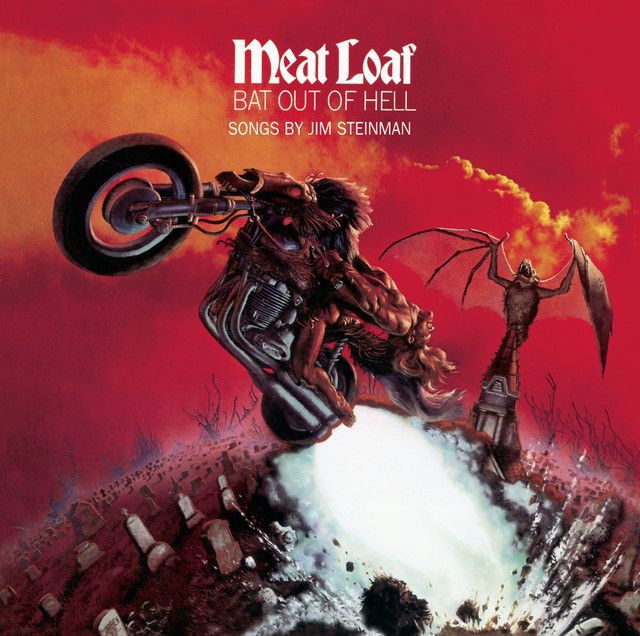
Written by Jim Steinman and released on Bat Out of Hell in 1977, the song closes the album with a grand emotional release. Meat Loaf’s breakthrough record was created with Steinman and producer Todd Rundgren, and it became one of the best-selling albums ever, according to the Rock & Roll Hall of Fame and Sony Music. That context matters: this song does not just sound big for style. Its scale matches its message.
A Love Song About Being Saved
At its core, the narrator looks back on life before love as a state of emotional damage. They describe themselves as fallen, cold, trapped, and aimless. Then another person arrives and changes the whole emotional climate.
Short phrases like lost till you were found
and you were fire
frame love as rescue. The song is not shy or cool about this. It treats love as something almost spiritual, as if this relationship pulled the speaker out of a private ruin.
Interpretation: The song suggests not just romance, but emotional rebirth. The beloved is more than a partner. They become warmth, guidance, and meaning.
Watch the official For Crying Out Loud
music video
From Desperation to Devotion
One reason the song hits so hard is that it moves through several emotional stages instead of staying in one mood. Early verses focus on confusion and imbalance. The speaker admits they did not even understand how broken they were until love made the contrast clear.
Later, the plea becomes more urgent. When the singer begs don't go
, the song shows that love has brought healing, but also vulnerability. Once someone becomes the center of a person’s world, losing them feels like falling all over again.
This is the central tension: the beloved saves the narrator, but that rescue creates dependence. That is why the song feels both thankful and frightened at the same time.
The Chorus Turns Love Into a Cry
The repeated title line is simple, but it does a lot of work. For crying out loud
sounds like an everyday expression, almost casual. In this song, though, it becomes a full emotional release.
Instead of decorating the feeling with clever wording, the chorus strips everything down to one blunt truth: you know I love you
. That directness matters. After all the dramatic images in the verses, the chorus says the deepest feeling is actually plain.
Interpretation: Steinman may use epic language elsewhere in the song, but the hook lands because it sounds desperate, human, and almost out of control. It is what someone says when ordinary speech is no longer enough.
California Wind, Sand, and the Edge of Collapse
The imagery is one of the song’s most interesting features. The lyrics pair heat with cold, fire with ice, and movement with sinking. The result is a world that feels unstable.
The phrase chilly California wind
is especially striking. California often suggests warmth, freedom, and fantasy in American pop culture. Here, it feels emotionally empty. Even the romantic setting turns cold.
Then the image of sinking into sand deepens the anxiety. Love may be real, but the ground still feels uncertain. That makes the song richer than a simple celebration. It is about trying to hold onto love in a world that keeps slipping.
A Journey Song Without a Destination
Another key part of the meaning of For Crying Out Loud Meat Loaf is its travel language. The speaker is in the middle of nowhere
, near an ending, but still hopes for a border to somewhere better. Roads, highways, lines, and time all suggest motion.
That matters because Jim Steinman often wrote songs that feel cinematic and restless. According to Steinman’s official site, his writing mixed rock, theater, and melodrama. This song fits that style. The narrator is not just standing still and confessing love; they are trying to cross from emptiness into belonging.
Interpretation: The destination may not be a physical place at all. It may be emotional safety.
Why the Final Section Feels Like a Prayer
In the closing section, the song changes again. Instead of only pleading, the narrator starts listing reasons for devotion. They thank the beloved for comfort, warmth, guidance, and renewal.
This part sounds almost like a vow or hymn. The relationship is described through acts of care: helping when the speaker is dry, cold, alone, falling, or stalled. Love becomes practical as well as passionate.
That shift is important. Earlier, the narrator mainly talks about what they feel. By the end, they focus on what the other person has done. Gratitude takes over from panic. Even so, the emotion stays intense, which is why the ending feels like both a confession and a prayer.
How the Music Makes the Meaning Bigger
Meat Loaf’s performance sells every emotional turn. His voice begins tenderly, then grows more strained and expansive, as if the feeling is too large to contain. The arrangement also builds in waves, using piano, guitar, and a slow-burning structure that gives the song a theatrical rise.
That sound reflects the larger Bat Out of Hell approach, shaped by Steinman’s writing and Todd Rundgren’s production on the 1977 album, as documented by AllMusic. The music does not undercut the lyrics with irony. It commits fully to them.
For some listeners, that makes the song overwhelming. For others, it is exactly why it works. The emotion is so big because the experience feels life-changing.
The Last Word on Its Meaning
So what is the meaning of For Crying Out Loud Meat Loaf? It is a song about loving someone as savior, witness, home, and last hope all at once. It captures the thrill of being healed by love and the terror that such healing can be taken away.
That is why the song feels so final. It does not present love as a small mood. It presents it as the force that gives a broken life shape.
Disclaimer: This interpretation is based on the released lyrics, performance, and known artist context. Like many songs by Meat Loaf and Jim Steinman, it can support more than one valid reading.







