How 'One' Turns Survival Into Horror
The meaning of One Metallica, 郎朗 starts with a harsh idea: surviving war is not always a victory. In Metallica’s song, the speaker is alive after combat, but that life feels worse than death. Their body remains, yet nearly every link to the outside world is gone.
"One" - Metallica, 郎朗
Can't tell if this is true or a dream
Deep down inside I feel to scream
Loading lyrics...
Unable to load lyrics
We're unable to display the lyrics at this time. Please try again later.
Metallica released One on the 1988 album ...And Justice for All, written by James Hetfield and Lars Ulrich. The song is also closely tied to Dalton Trumbo’s anti-war story Johnny Got His Gun, which Metallica directly referenced in the song’s video and surrounding imagery. That connection is well documented in coverage of the band and the album’s era (Britannica, Wikipedia).
A War Song About What Comes After
At its core, the song is about a wounded soldier waking into a nightmare. Early lines present confusion, then realization. The speaker cannot tell what is real, feels intense pain, and gradually understands that their senses and movement are gone.
That is why the opening feels so chilling. The song starts with disorientation, then lands on a brutal fact: nothing is real but pain
. They are not just injured. They are trapped inside awareness itself.
Interpretation: This is what makes the song more than a battle narrative. It is an anti-war song because it focuses on aftermath, not glory. There are no heroes here, only a person left to endure the cost.
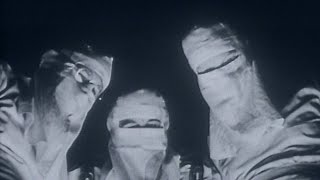
Watch the official One
music video
The Voice Inside the Body
The lyrics work because they stay inside one mind. Everything is told from the speaker’s point of view, which makes the listener experience the horror step by step.
At first, the speaker seems unsure of whether they are dreaming. Then the details become physical: tubes, machines, and a body kept alive by force. The phrase terrible silence
captures more than quiet. It suggests a total break from human contact.
Later, the song becomes even more direct. The famous line darkness imprisoning me
turns the body into a prison cell. The speaker is conscious, but cannot act, communicate, or escape.
I cannot live
I cannot die
That short refrain sums up the song’s central torment. The soldier is suspended between existence and release.
How the Story Unfolds
The song follows a clear emotional timeline:
- Confusion: The speaker wakes in shock and cannot understand their condition.
- Recognition: They realize pain is the only certain thing left.
- Dependence: Machines and tubes keep the body functioning.
- Despair: They begin wishing for death instead of continued survival.
- Total horror: The final section lists what has been taken from them.
That last movement is devastating because it strips life down piece by piece. The song does not need long description. A phrase like body my holding cell
says enough: the self is still present, but the body has become a cage.
Why the Chorus Hurts So Much
The repeated plea to be awakened sounds, at first, like a person hoping this is all a dream. But as the song goes on, that wish changes meaning. Waking up would not simply mean opening their eyes. It would mean escaping an unbearable state.
When the lyric reaches hold my breath as I wish for death
, the song crosses into the darkest part of its message. This is not casual despair. It is the logical result of total isolation and constant suffering.
Interpretation: The chorus matters because it keeps asking whether mere biological life is enough. Metallica’s answer seems deeply pessimistic. If a person is reduced to pain and confinement, survival becomes its own form of hell.
Sound That Mirrors Panic
A big part of the meaning of One Metallica, 郎朗 comes from the arrangement. The song begins with a clean, restrained guitar texture and a mournful pace. It sounds reflective, almost fragile. Then it builds into one of Metallica’s most famous explosive finales, with rapid-fire drums and aggressive riffing.
That structure is not just dramatic. It mirrors the speaker’s mental collapse. The calm opening resembles numbness and uncertain waking. The later speed and violence feel like panic, rage, and sensory overload.
This is also where the Lang Lang connection is useful. Lang Lang, the Chinese concert pianist known for major global performances and crossover work, joined Metallica for One at the 56th Annual Grammy Awards in 2014 (Recording Academy, Wikipedia). His presence highlighted the song’s contrast between lyric sorrow and musical force. Piano can sharpen the tragic side of the composition, especially in a song built on tension between tenderness and attack.
Context Makes the Meaning Deeper
Metallica emerged from thrash metal, a style often associated with speed and aggression. But One stands out because it uses that power to tell a deeply human story. It became one of the band’s signature songs partly because it balanced technical intensity with emotional clarity.
The likely influence of Johnny Got His Gun matters here too. Trumbo’s story is one of the clearest anti-war works in American culture, and Metallica’s adaptation brings that same shock to a new audience. Instead of giving listeners battlefield excitement, the song asks them to imagine the life that remains after the explosion.
Final Take on the Song’s Meaning
So, what is the meaning of One Metallica, 郎朗? It is the horror of being kept alive after war has already taken almost everything. The song argues that war’s worst damage may happen after the fighting stops, inside a survivor who can still think and feel but cannot rejoin the world.
That is why One still hits so hard. It is heavy, but it is also deeply sad. Interpretation: rather than celebrating endurance, it questions whether survival without freedom, contact, or dignity can still be called life.
Disclaimer: This interpretation is based on the lyrics, known context, and documented performance history. As with any song, listeners may hear additional meanings of their own.