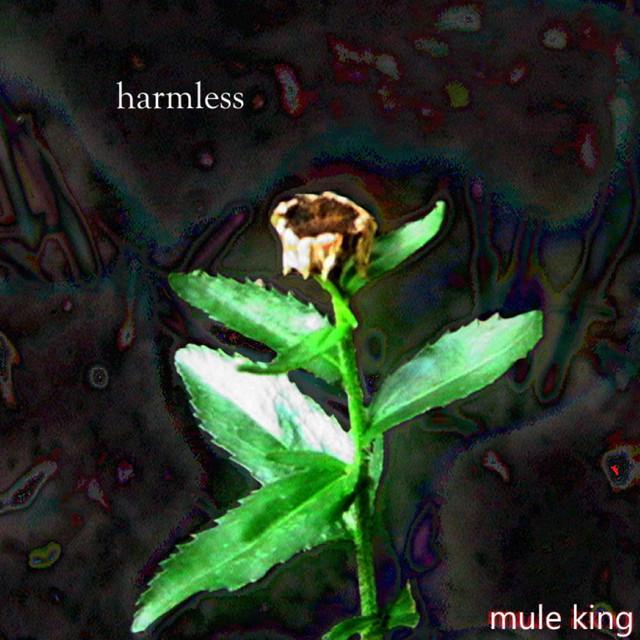
Romanticism by Mule King
The meaning of Romanticism Mule King comes through as both intimate and uneasy. The song sounds like a love confession, but it also feels like a warning. Its speaker wants closeness, fears harm, and keeps measuring private emotion against a damaged modern landscape.
"Romanticism" - Mule King
Givin' in, givin' in, she's tight
Givin' in, givin' in, all night
Loading lyrics...
Unable to load lyrics
We're unable to display the lyrics at this time. Please try again later.
Because only the lyrics and the credit to Ben Miles are provided here, some points below are Interpretation rather than confirmed artist statements. Even so, the song gives strong clues about longing, guilt, and the wish to build a shared inner world after breaking something fragile.
A Love Song That Does Not Trust Love
At first, the repeated opening words create a trance. The refrain Givin' in
suggests surrender, desire, and maybe resignation too. This is not a neat, happy kind of romance. It feels like two people moving toward each other while already knowing things could go wrong.
That tension sharpens when the speaker says they do not want to make a mistake. The song keeps balancing impulse against caution. In plain terms, they want connection, but they are scared of what real closeness might expose.
Interpretation: this is why the title “Romanticism” matters. The song seems interested in romance not as fantasy, but as an overwhelming force that can blur judgment and make people accept emotional risk.
The Song's Most Striking Turn
The lyric’s biggest emotional twist comes with I cut your dreaming cord
. That image is jarring because it mixes care with violence. A “dreaming cord” sounds like something tender, private, even spiritual. Cutting it suggests interruption, control, or the end of illusion.
But the next idea changes the meaning: they do it So we can dream together
. That makes the line less like cruelty for its own sake and more like a flawed attempt at intimacy. The speaker may be saying: individual fantasy must end before true shared life can begin.
In heaven, or hell Or somewhere else
This brief passage widens the emotional scope. Shared dreaming is not promised as bliss. It could be joy, disaster, or something in between. That uncertainty is central to the meaning of Romanticism Mule King: love is presented as a leap without guarantees.
Mountains, Plains, and Strip Malls
The song’s landscape imagery gives it unusual depth. Early on, the speaker is Lookin' over the mountain
, which suggests distance, searching, or trying to see what lies beyond a current limit. Mountains often symbolize obstacles or ideals, and here that reading fits.
Later, the mountain is “flattened” and the strip mall is crowded. That is one of the song’s smartest contrasts. Grand natural vision gets replaced by ordinary commercial sprawl. The lyric seems to ask what happens when big feelings must survive in a world of parking lots, clutter, and routine.
Interpretation: this could be a critique of modern life making transcendence harder to hold onto. The romance is not happening in a timeless dreamscape. It is happening in a flattened, overcrowded place where beauty and meaning struggle to stay alive.
Feeling as a Kind of Illness
One of the clearest lines in the song is the admission of being sick with a disease called feeling
. That phrase turns emotion into a condition the speaker suffers from rather than controls. It is dramatic, but it also sounds honest.
This matters because it reframes the speaker’s earlier aggression and confusion. They may not be evil, as they later insist. They may simply be overwhelmed. The song does not excuse harm, but it does show someone trying to explain how intense feeling can distort behavior.
There is also a plea buried in that section: come closer, see them clearly, and judge them with mercy. That keeps the song human. Under the strange images and sharp turns, it is still about wanting to be understood.
Why the Voice Feels So Unsteady
The lyrics move fast between lust, confession, apology, and philosophy. That unstable motion is part of the song’s design. Rather than tell a clean story, it captures a mind in real time, trying to justify itself while also revealing too much.
Ben Miles’s writing here leans on repetition, abrupt image shifts, and plain speech. The mix of rough language and poetic symbols makes the speaker sound believable. They are not polished. They are exposed.
A likely emotional arc
- Desire pushes the speaker to surrender.
- Fear enters as they worry about mistakes.
- They confess to breaking an illusion.
- They argue that damage might lead to deeper union.
- They end by imagining buried truths returning.
That final image of the hill surfacing again suggests that nothing stays buried forever. Old feelings, old conflicts, and old hopes will rise back up.
How the Sound Probably Supports the Meaning
Without verified production credits, any sonic reading must stay tentative. Still, the lyrics strongly imply a song that benefits from repetition, tension, and contrast. The chant-like opening likely works best if it feels hypnotic rather than delicate.
Interpretation: if Mule King pairs those words with heavy drums, fuzzy guitars, or a dark mix, that would reinforce the push-pull between desire and dread. If the vocal delivery is half-spoken or ragged, that would also fit the speaker’s unstable state. The text itself asks for a sound that feels both romantic and bruised.
What “Romanticism” Finally Suggests
The meaning of Romanticism Mule King is less about ideal love than about the dangerous wish to merge with another person completely. The speaker wants shared dreaming, shared suffering, and maybe even shared ruin. They know the world is flattened and ordinary, yet they still care about “silly things,” which may be the song’s bravest confession.
That is what gives the track its emotional bite. It does not mock feeling. It shows how embarrassing, beautiful, and destructive feeling can be all at once.
Disclaimer: This interpretation is based on the lyrics provided and limited available context. As with many songs, different listeners may hear different meanings.







