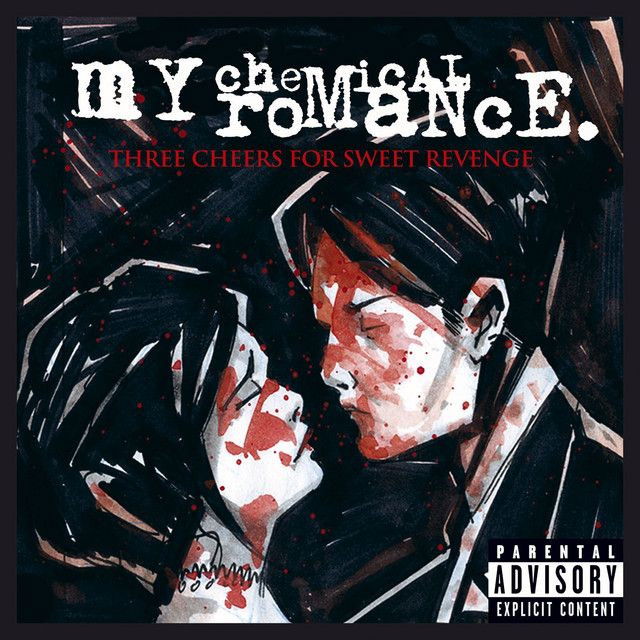
Why This MCR Song Turns Heartbreak Into Revenge
The meaning of It's Not a Fashion Statement, It's a Deathwish My Chemical Romance comes down to one explosive idea: heartbreak can feel so total that it becomes a fantasy of resurrection and revenge. On the surface, the song sounds like a threat from beyond the grave. Underneath, it reads like a portrait of someone trying to survive betrayal by turning pain into power.
"It's Not a Fashion Statement, It's a Deathwish" - My Chemical Romance
And what I'll do to you
You get, what everyone else gets
Loading lyrics...
Unable to load lyrics
We're unable to display the lyrics at this time. Please try again later.
The track appears on Three Cheers for Sweet Revenge (2004), My Chemical Romance’s second album, a record widely known for its death-soaked drama and revenge themes. Songfacts describes this song as a story of betrayal, death, and a return for vengeance, which fits the album’s larger emotional world.
A Love Song Disguised as a Threat
At its core, this is not just a revenge song. It is also a broken love song. The narrator is furious, but they are still attached to the person who hurt them. That tension matters.
Early lines set up a direct score to settle, with phrases like what you did to me
and what I’ll do to you
. The feeling is not casual anger. It is personal, intimate, and wounded. They are not lashing out at the world in general; they are speaking to one person whose betrayal changed everything.
Interpretation: The song treats emotional damage as a kind of death. When the narrator says they are coming back from the dead
, it can be heard as literal horror-movie imagery, but it also works as a metaphor for recovering from devastation and returning stronger.

Watch the official It's Not a Fashion Statement, It's a Deathwish
music video
The Story Moves From Injury to Pursuit
One reason the song hits so hard is that it feels cinematic. The lyrics move in clear emotional beats:
- A relationship is remembered.
- The bond becomes painful and destructive.
- The speaker imagines death or collapse.
- They return to reclaim what was taken.
- Love and revenge stay tangled together.
That last point is the key. The narrator says they are taking back the life you stole
, which suggests the other person did more than cause sadness. They stole identity, purpose, or the will to keep going. In that sense, revenge becomes a way of rebuilding the self.
Why the Chorus Feels So Powerful
The central hook works because it mixes horror and longing. The speaker promises return, but that promise is not clean or noble. They want justice, but they also want closeness.
When you go
just know that I will remember you
This is one of the song’s most revealing moments. Instead of pure hatred, there is memory, attachment, and even grief. They cannot let the other person go, even while imagining punishment.
Interpretation: That contradiction is the emotional engine of the song. The narrator wants revenge because the connection still matters. If it meant nothing, there would be no need to return at all.
Images of Religion, Death, and Color
My Chemical Romance often mixes sacred and violent imagery, and this track is a strong example. The phrase razor to the rosary
brings together self-destruction and religion in one sharp image. It suggests guilt, pain, confession, and ritual all at once.
Then the song shifts into vivid color with pitchfork red
. Red can suggest blood, anger, hell, or passion. That matters because the song never fully separates love from violence. The same emotional fire burns through both.
There is also a recurring burial-and-return image. The narrator says the hole was not deep enough, which turns survival into defiance. They were meant to disappear. Instead, they climb out.
How the Sound Carries the Meaning
The production and performance amplify the song’s emotional extremes. The guitars are urgent and jagged, the drums push forward with almost no patience, and Gerard Way’s vocal shifts between accusation, desperation, and triumph. The result feels less like quiet reflection and more like a vow shouted during a storm.
That sound is important to the meaning of It's Not a Fashion Statement, It's a Deathwish My Chemical Romance. If these lyrics were sung softly, they might feel mournful. Here, they feel theatrical and combative. The band turns pain into momentum.
This also fits the broader identity of Three Cheers for Sweet Revenge, which helped define the band’s breakthrough era in 2004. The album’s mix of punk speed, post-hardcore intensity, and gothic melodrama gave songs like this one their lasting impact.
What the Title Really Says
The title may be the song’s boldest statement. It rejects the idea that darkness is just image or trend. Saying it is “not a fashion statement” means the suffering is real, not costume. Calling it a “deathwish” raises the stakes from style to survival.
In other words, the title warns listeners not to mistake performance for emptiness. My Chemical Romance loved drama, but their best songs use drama to express genuine emotional crisis.
A Reasonable Alternate Reading
There is another way to hear the song. Interpretation: Rather than a literal revenge plot, it may describe the moment after a devastating breakup when someone rebuilds themselves by imagining total victory over the person who hurt them. In that reading, the resurrection is emotional. The enemy is heartbreak itself.
That helps explain why the ending feels almost tender despite everything that comes before it. The speaker has not escaped love. They have only turned it into a darker form.
Why It Still Connects
This song lasts because it captures a feeling many people recognize: the wish to rise after humiliation and make the person who hurt them finally understand the damage. My Chemical Romance dramatizes that feeling to the point of death and rebirth, but the core emotion is simple and human.
They made heartbreak sound huge, dangerous, and impossible to ignore.
Disclaimer: This interpretation is based on the lyrics, album context, and publicly available song information. Like many My Chemical Romance songs, the meaning can stay open to more than one reading.









