Why Nina Simone's Plea Still Cuts Deep
The meaning of Don't Let Me Be Misunderstood Nina Simone starts with a simple but painful human wish: to be judged by one’s intentions, not only by one’s worst moments. In Nina Simone’s hands, that wish does not sound casual. It sounds urgent, bruised, and deeply dignified.
"Don't Let Me Be Misunderstood" - Nina Simone
If, sometimes, you see that I'm mad?
Don't you know no one alive
Loading lyrics...
Unable to load lyrics
We're unable to display the lyrics at this time. Please try again later.
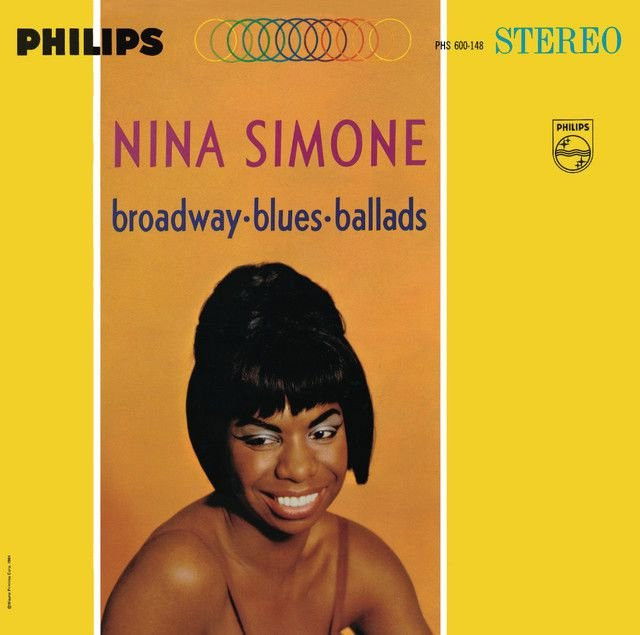
First recorded by Simone in 1964 for Broadway-Blues-Ballads, the song was written by Bennie Benjamin, Horace Ott, and Sol Marcus. Research on the song’s history notes that Ott developed the core idea after a falling-out with Gloria Caldwell, and publishing rules of the time shaped the original credit story. Simone’s version came first, before later hit covers by the Animals and others.
A confession, not an excuse
At its core, the song is about a person explaining their contradictions. They admit they can seem angry, distant, or hard to handle. But they ask the listener to look deeper than those flashes of emotion.
The opening frames that tension right away with do you understand me now
. That question is not really about getting an answer. It is about fear that the answer may be no.
The verses build a clear pattern:
- the speaker admits to mood swings
- they reject the idea of perfection
- they ask to be measured by intent
- they confess regret after the damage is done
That is why the central line matters so much. When the singer says intentions are good
, they are not claiming innocence. They are making a smaller, sadder claim: they are flawed, but not cruel.
Watch the official Don't Let Me Be Misunderstood
music video
The chorus turns weakness into a prayer
The refrain is what makes the song unforgettable. Instead of just saying “forgive me,” the singer asks not to be wrongly defined. That is a subtle but powerful difference.
I'm just a soul
whose intentions are good
Oh Lord, please
don't let me be misunderstood
This is the article’s only multi-line lyric quote, and it shows how the song shifts from explanation to plea. The word “soul” gives the song moral weight. It suggests that the issue is not just behavior on a bad day, but the deeper question of who a person really is.
Interpretation: In Simone’s version, the chorus sounds almost spiritual. It feels like a prayer for mercy from both a loved one and the world.
Nina Simone sings it like a life story
Facts about the recording help explain why Simone’s version hits so hard. Contemporary accounts describe it as a slow arrangement built around harp, orchestral colors, and backing choir on Broadway-Blues-Ballads. That soft but dramatic setting gives the song a haunted quality.
Instead of rushing toward resolution, the music lingers. Each phrase feels heavy. Simone’s voice does not simply “perform” the lyric; they inhabit it, making every admission sound costly.
That matters because the lyric itself is not flashy. On paper, it is straightforward. Simone turns that plain language into emotional theater through timing, tone, and tension. A line like I'm just human
could sound ordinary from another singer. Here, it lands like a verdict and a defense at the same time.
Personal pain and public meaning
There are two major ways listeners understand the song.
An intimate relationship reading
On the most direct level, the song is about a strained close relationship. The speaker tells someone they love that stress and worry can make them sharp or unpredictable. When they say my other side
, they are naming the face that appears under pressure.
In this reading, the song is a vulnerable apology. Not a clean apology, because the singer still wants understanding, not just blame. But an apology all the same.
A wider social reading
Interpretation: Many writers also hear Simone’s version as larger than romance. Because she recorded it in 1964, during the same era in which her work increasingly engaged civil rights and Black identity, the plea not to be “misunderstood” can also sound like a public statement.
That does not mean the song was officially written as a protest anthem. There is no need to overclaim. Still, with Simone’s public persona and artistic force, the song can feel like a defense against a world eager to simplify, stereotype, or misread her.
That broader reading helps explain why the performance feels so weighty. The song is private in wording, but public in emotional scale.
Why the song keeps surviving new versions
One reason this song has lasted is that its message is flexible without becoming vague. The Animals turned it into a 1965 blues-rock hit after falling in love with the song, as Eric Burdon later said in a brief recollection. Their version reached No. 3 in the UK and No. 15 in the U.S., which helped bring the song to a wider audience.
Yet Simone’s original remains uniquely piercing because of its restraint. Where later covers often push drama outward, she pulls it inward. The result is not just a song about being misread. It sounds like the experience of living under constant judgment.
The lasting takeaway
The meaning of Don't Let Me Be Misunderstood Nina Simone is not that bad behavior should be ignored. It is that human beings are more than their roughest edges. The song asks for a harder kind of love: the kind that can see fault clearly and still see the person beneath it.
That is why Simone’s version still feels alive. It is an admission of weakness, a defense of character, and, perhaps, a quiet demand for grace.
Interpretation disclaimer: Song meaning is never fully fixed. This reading is based on the lyrics, recording style, and documented historical context, but other listeners may hear different shades of meaning.








