
Chargé by Niska: A Portrait of Pressure
Why the Song Feels Bigger Than a Threat
The meaning of Chargé Niska starts with force, but it does not end there. On the surface, the song sounds like a hard street anthem built on intimidation, money talk, and criminal imagery. Yet underneath that aggressive shell, it also feels like a portrait of mental overload.
"Chargé" - Niska
De la B
Fuck it's easy
Loading lyrics...
Unable to load lyrics
We're unable to display the lyrics at this time. Please try again later.
Niska, born Stanislas Georges Dinga-Pinto, is a French rapper from Évry-Courcouronnes who became one of the major names in modern French rap through hits and chart success, including the 2021 single “Chargé,” which reached the French charts during the Le monde est méchant era. Those career facts matter because the track sounds like the voice of someone who has already “made it” but still lives inside danger, paranoia, and survival mode.
Rather than telling one clean story, the song piles up images of weapons, police, drugs, luxury, sex, and status. That pile-up is the point. It creates a world where success and chaos live side by side.
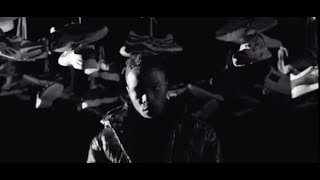
Watch the official Chargé
music video
The Core Meaning: Success Loaded With Violence
At its center, “Chargé” presents a life that is both empowered and trapped. The recurring phrase Chargé Uzi, shooter
does more than threaten enemies. It turns readiness for violence into a state of being. The song’s speaker sounds permanently armed, permanently alert, and permanently stressed.
That idea becomes clearer when the lyrics shift from external danger to inner disorder. Niska describes things as violent dans ma tête
, suggesting that the real battleground is not only the street but also the mind. In plain terms, the song says that violence has become so normal that it now shapes thought itself.
Interpretation: This is why the track hits harder than a standard brag rap song. It is not just about power. It is about what happens when power comes from living in unstable conditions for too long.
A Chorus Built on Contradiction
The hook is one of the song’s smartest moves. It mixes threat with lifestyle shorthand, ending on Amour, gloire et cité
. That phrase places love, fame, and the housing project in the same breath. It is a compressed worldview: private desire, public success, and neighborhood identity cannot be separated.
In other words, even after fame, the speaker is still defined by where they come from. The chorus does not celebrate escape. It suggests that the city, or the “cité,” remains emotionally and psychologically present.
Tu veux la vie de Tony
Mais faut les couilles qui vont avec
This short section sums up another key idea. The song mocks people who want the image of gangster success without the risk, fear, or consequences. References to “Tony” and “Pablo” point to crime-lord mythology, but Niska uses those names less as praise than as a test. Plenty of people want the legend; few want the cost.
Bragging, But Also Warning
Much of the song is built from boastful lines about money, women, cars, and influence. That is common in trap and street rap. Still, in “Chargé,” bragging often feels defensive.
When the speaker talks about cash, cars, and weekly earnings, they are proving status. But when they mention enemies, dead friends, police pressure, and shootings, the song shows the hidden bill for that status. The flex and the fear are locked together.
That is especially clear in lines that contrast luxury with bloodshed. A designer item can appear right next to an image of violence. The point is not subtle: wealth does not erase trauma. It often sits right beside it.
Interpretation: Listeners can hear the song as a critique of fantasy. It sounds glamorous for a second, then reminds them that this life runs on grief, surveillance, and danger.
How Niska Uses Voice and Sound
The Production Turns Repetition Into Tension
The production is cold, minimal, and heavy in a way that fits modern French trap. The beat leaves space for repetition, which matters because repetition is the emotional engine of the song. Every return to the hook feels less like a catchy chorus and more like a mental loop.
That is why short phrases hit so hard. A line like c'est le bordel
does not just describe chaos; it sounds like chaos. The bluntness, ad-libs, and clipped rhythm make the song feel crowded and unstable.
Niska’s delivery adds to that effect. They rap with a mix of swagger and agitation, as if confidence must be constantly performed to keep panic away. Even when the lyrics celebrate dominance, the voice often carries strain.
Street Identity Meets Showbiz
One of the most interesting tensions in “Chargé” is the meeting point between neighborhood identity and celebrity. Niska mentions records, fame, VIP life, and show business, but those markers of arrival never create peace. Instead, fame seems to amplify the pressure.
The song suggests that success has not replaced the old rules. It has simply raised the stakes. The speaker may have more money and visibility, but they still move through a world shaped by gang conflict, police attention, and the need to appear untouchable.
That fits Niska’s larger artistic image. Across their career, they have balanced commercial success with a hard-edged street persona, which helps explain why “Chargé” landed as more than a club-ready track. It carries the sound of mainstream rap, but the emotional weather is much darker.
Final Reading: What “Chargé” Really Says
So what is the meaning of Chargé Niska? The song is about being loaded in every sense: loaded with weapons, loaded with money, loaded with reputation, and loaded with psychological pressure.
Its violent language is real to the song’s world, but the deeper message is about saturation. Everything is turned up too high—ego, danger, fame, trauma, desire. That is why the track feels both triumphant and unstable.
For casual listeners, “Chargé” may first sound like pure menace. For closer listeners, it reveals a harsher truth: the same life that creates status can also destroy peace of mind.
Disclaimer: This article offers an interpretation of the song based on its lyrics, sound, and public context. Meaning can vary from listener to listener.







