Why "The View Between Villages" Hits So Hard
The meaning of The View Between Villages Noah Kahan comes into focus when they hear it as a song about going home and realizing that home still lives inside them. It is not just a song about Vermont roads. It is about memory, grief, anger, and the strange comfort of returning to the place that formed them.
"The View Between Villages" - Noah Kahan
'Til the road begins
As the last of the bugs
Loading lyrics...
Unable to load lyrics
We're unable to display the lyrics at this time. Please try again later.
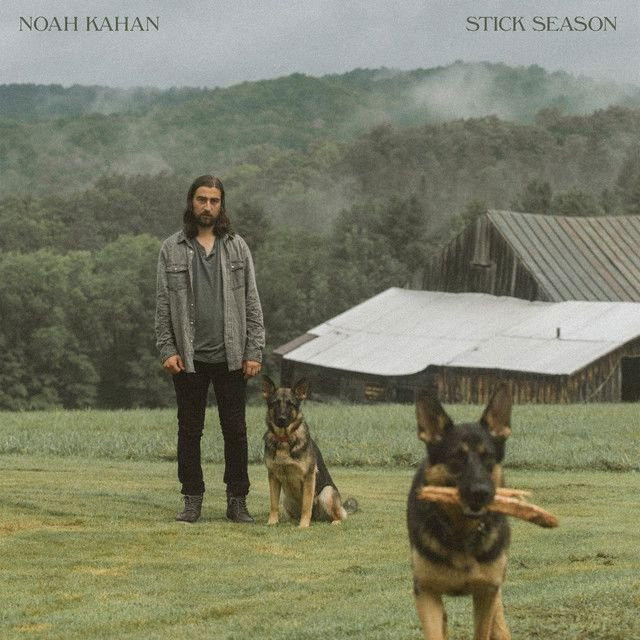
Released on Kahan's album Stick Season, the song fits his larger writing style: small-town detail used to express huge feelings. Here, the drive through familiar roads becomes an emotional collapse and a kind of rebirth at the same time.
A Drive Home That Turns Into Self-Reckoning
On the surface, the song follows a simple scene. They are driving through the area where they grew up, passing landmarks and feeling old emotions rise. But the deeper story is about what happens when a person revisits a place tied to earlier versions of themselves.
The opening feels almost weightless. The speaker notices air, bugs, the road, and the valley. That attention to the physical world suggests relief. When they say dreams again
, the idea is not only hope. It shows that being back in this landscape briefly restores a younger, more fearless self.
That is why the line about being seventeen matters so much. This is not literal time travel. It is the shock of being thrown back into an emotional state that feels untouched by adult damage.
Watch the official The View Between Villages
music video
The Song's Central Tension: Comfort and Pain
What makes the song powerful is the split between peace and pain. For a moment, the world feels simple and full of meaning. Then the drive passes into another emotional zone, where loss starts flooding in.
Kahan marks that turn with concrete details. The mention of a road, a bridge, and being close to home gives the song a map-like quality. Yet the closer they get, the more distant they feel. The phrase far from it
captures that contradiction: they are geographically near home, but emotionally separated from the version of home they once knew.
Then the song names grief directly. The memory of the death of my dog
sits next to body image and personal change. Those details show that the place does not only hold warm nostalgia. It also stores pain, shame, and unresolved anger.
How the Lyrics Build the Meaning
One reason the meaning of The View Between Villages Noah Kahan resonates with so many listeners is that the song moves like memory itself. It starts clear, then becomes crowded.
Landmarks Become Emotional Triggers
The place names and driving directions matter because they ground the song in real space. They are not there just for realism. They show how ordinary landmarks can unlock powerful feelings. A bridge or turn in the road can carry years of memory.
When they sing surrounded for a mile or two
, the point is not that people are physically present. The speaker feels haunted by the past. Old relationships, losses, and earlier selves seem to close in from all sides.
The Car Imagery Signals Emotional Paralysis
The repeated image of the vehicle stuck in reverse is one of the song's clearest symbols. It suggests being unable to move forward emotionally, even while physically traveling.
The car's in reverse
I'm grippin' the wheel
everything's still
This moment turns a normal drive into a picture of suspended life. They are trying to control themselves, but memory has stopped time.
Noah Kahan's Context Makes the Song Deeper
Kahan has often written about New England, isolation, mental health, and the push-pull relationship with hometown life. According to his official site, he grew up in Strafford, Vermont, and that local identity runs through much of his work.
That background matters here. The spoken voices in the song, which describe the meaning of a small community, widen the song beyond one person's pain. They suggest that hometowns can frustrate people, limit them, and still remain deeply sacred. The place may be small, but its emotional scale is huge.
This is a factual point about context: Kahan's songwriting often returns to where he is from. Interpretation: in this song, they are not simply documenting a drive. They are testing whether they can face their own past without being swallowed by it.
How the Sound Carries the Message
The production helps tell the story. The song begins with a spacious, open feeling that matches the valley imagery. The arrangement then grows bigger and more intense, giving the sense that memory is rushing in too fast to control.
The beat and vocal rise create motion, but not freedom. Instead, the swell feels like panic mixed with awe. That is why the song lands so hard emotionally: the music sounds like someone overwhelmed by beauty and grief at the same time.
Kahan's voice also matters. He sings with strain rather than polish, which keeps the performance human. They sound as if they are discovering the feelings while singing them, not calmly looking back from a safe distance.
The Bigger Meaning of the Ending
By the end, the song has not solved the pain it uncovers. The ghosts are still there. The stillness remains. But there is a kind of honesty in that ending.
Interpretation: the song argues that healing is not about erasing the hometown past. It is about admitting that love, anger, grief, and belonging can all exist together. The speaker is back between villages, but also between life stages, between memory and reality, and between wanting to leave and wanting to stay.
That tension is the heart of the song. The view between villages is not just scenery. It is the emotional space where a person sees who they were, who they became, and what they still carry.
Final Take on Its Lasting Appeal
The meaning of The View Between Villages Noah Kahan is ultimately about what happens when a familiar place reopens old wounds and old wonder at once. It captures the American small-town feeling of being shaped by somewhere they may outgrow but never fully escape.
Listeners connect to it because almost everyone has a road, a house, or a hometown corner that can still undo them. This article offers an interpretation, and like all lyric analysis, other readings are possible.








