Git Up, Git Out by OutKast
OutKast’s early classic is not just a lecture about laziness. It is a street-level argument about responsibility, pressure, bad options, and the hard work of choosing a better path.
"Git Up, Git Out" - OutKast
Provided by LyricFindNigga, you need to git up, git out and git something
Don't let the days of your life pass by
You need to git up, git out and git somethingLoading...Loading lyrics...
Unable to load lyrics
We're unable to display the lyrics at this time. Please try again later.
Why This Song Still Hits Hard
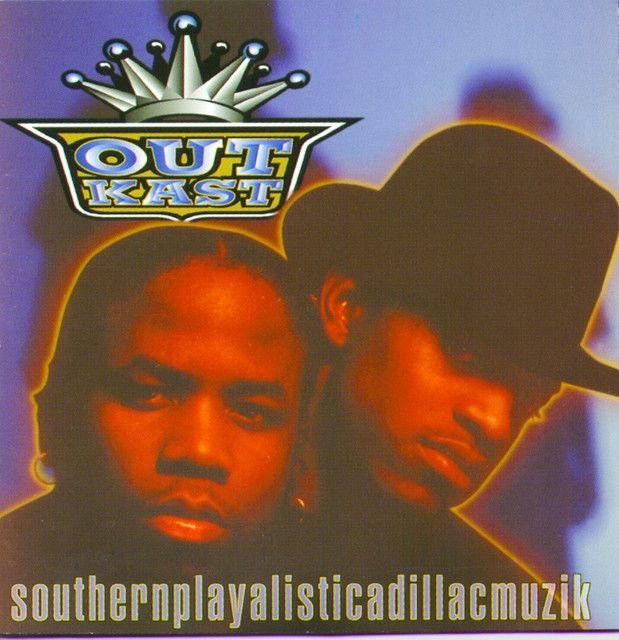
The meaning of Git Up, Git Out OutKast starts with a simple demand: stop drifting and take control of life. Released in 1994 on OutKast’s debut album Southernplayalisticadillacmuzik, the song also features CeeLo and Big Gipp, with production by Organized Noize. Factually, it came out as a single in October 1994 and later appeared in the film ATL; it also charted on the Billboard Hot R&B/Hip-Hop Songs list, peaking at No. 59 (Wikipedia).
But the song’s power is not in chart history. It is in how each rapper shows a different kind of trap: unemployment, school failure, drugs, crime, and political hopelessness. The hook keeps pushing the same idea: git up, git out
. In plain terms, they are saying that no one can save a person who refuses to move.

Watch the official Git Up, Git Out
music video
A Chorus That Sounds Like Tough Love
The chorus is blunt, memorable, and almost impossible to ignore. It warns people not to let life slip away and not to waste every day trying to stay numb. When they repeat don't let the days
pass by, the line works like a parent, a friend, and an inner voice all at once.
This is why the song feels bigger than a motivational anthem. It mixes encouragement with frustration. The repeated line about having to do for you and I
suggests a community lesson too: personal failure is never fully private. It affects families, friends, and neighborhoods.
Four Verses, Four Different Dead Ends
Andre 3000: excuses meet reality
Andre’s verse sounds like a conversation with someone who feels judged and stuck. He admits mistakes, resists criticism, and explains how hard low-paying work can feel. He also shows the danger of using weed or comfort as a way to avoid action.
The key idea is not that struggle is fake. It is that struggle becomes worse when it turns into paralysis. When he circles around frustration, the song answers back with action.
Big Boi: a rough education
Big Boi tells a story about growing up around crime, swagger, and bad role models. His verse is full of bravado, but that is partly the point. He shows how young men can learn confidence and self-destruction at the same time.
Interpretation: His verse is not pure celebration. It shows how hustler values can sound attractive before the long-term cost becomes clear.
CeeLo: temptation and danger
CeeLo’s section is darker and more chaotic. He describes getting high, heading out, and moving through a world shaped by fear, police pressure, and possible violence. The warning voice in his head repeats the song’s central message.
That makes his verse important. It shows that “getting up” is not easy self-help. Sometimes it means escaping a cycle that already feels normal.
Big Gipp: regret and hindsight
Big Gipp gives the song one of its clearest life lessons. He looks back on skipping school, chasing women, getting high, and ignoring his mother’s advice. He admits that short-term fun created long-term pain.
His verse sharpens the song’s argument: wasted youth does not stay in the past. It shows up later as missed chances.
The Song’s Real Theme: Agency Under Pressure
At its core, this track is about agency. They are saying people must act for themselves, even when the system around them is unfair. That balance matters.
The song does not claim success is easy. It talks openly about cruel jobs, layoffs, weak schools, drug culture, and distrust in politics. One verse even mocks the idea of voting when representation feels empty. So the track is not naïve. It understands why people feel checked out.
Still, it refuses surrender. The phrase never even try
is the moral center of the song. In their view, hopelessness may be understandable, but giving up becomes its own trap.
How Organized Noize Builds the Message
Produced by Organized Noize, the track has the warm, layered sound that helped define early Atlanta hip-hop (Wikipedia). The beat is relaxed, but not sleepy. It grooves instead of explodes.
That matters for meaning. The mellow bass, live-feeling drums, and soulful atmosphere create space for long verses and storytelling. Rather than pushing aggression, the production lets the message sink in. It feels like a porch talk, a car ride, and a warning sermon at the same time.
The hook also lands harder because the instrumental is so steady. The song moves like daily life moves: slowly, repetitively, and with habits that are hard to break. Against that backdrop, the chorus becomes a wake-up bell.
git up, git out and git something
How will you make it
if you never even try
Those lines summarize the whole record without needing extra decoration.
Why It Matters in OutKast’s Early Career
OutKast’s debut album is often praised for helping put Southern rap on the national map, and this song shows why. It has local detail, but its message travels. It speaks to Atlanta in the mid-1990s while also speaking to anyone stuck between excuses and effort.
It also shows how early OutKast balanced style with substance. They were never just making party records or just making sermons. They could be funny, reflective, streetwise, and critical in the same song. Adding CeeLo and Big Gipp broadens that effect, turning the track into a Dungeon Family statement rather than a single point of view.
The Lasting Meaning of "Git Up, Git Out"
The lasting meaning of Git Up, Git Out OutKast is that change begins with movement, even when life feels rigged. The song respects how hard that movement can be, but it keeps insisting on it anyway.
Interpretation: Their deepest message may be that survival requires both self-awareness and self-discipline. They do not deny the system. They simply refuse to let the system be the end of the story.
That is why the song still connects. It is advice, critique, confession, and warning all at once.
Disclaimer: This interpretation is based on the recorded lyrics, production, and available release context. As with any song, listeners may hear different meanings in different verses.








