
The Meaning of ‘Take a Walk’ by Passion Pit
They know the hook by heart, but the story runs deeper. Passion Pit’s 2012 single “Take a Walk” sounds like a summer sprint, yet it documents immigrant grit, middle‑class strain, and the pride that keeps families upright. For anyone searching the meaning of Take a Walk Passion Pit, this is a portrait of money pressure—how it shapes voices at dinner tables and inside someone’s head.
"Take a Walk" - Passion Pit
Make it seem like it's been ages
Tomorrow's sun with buildings scrape the sky
Loading lyrics...
Unable to load lyrics
We're unable to display the lyrics at this time. Please try again later.
What Story This Anthem Really Tells
Each verse zooms in on a different man in the narrator’s family, tracing a path from arrival to overextension. The opening image at outside Penn Station
sets the scene: a newcomer selling flowers, saving for a spouse, trying to plant roots. Later verses shift to mortgages, in‑laws, and a business partner’s bad bets. The chorus—short, repetitive, and catchy—becomes a mantra for staying functional when bills and shame pile up.
Michael Angelakos has said the song isn’t a policy lecture but a family study. He even called it “a weird character study,” underlining that the politics show up only because money arguments often sound political at home. The focus stays personal: how men in his family carry stress, often silently, and what that silence costs.
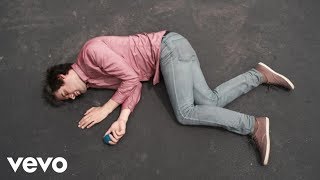
Watch the official Take a Walk
music video
Who’s Speaking, and Why They Walk
The narrator speaks in first person, confiding in fragments to a wife, to relatives, and to himself. When he admits damn taxes
or pleads that he isn’t a criminal, he’s not arguing with a senator—he’s bargaining with his own fear. Pride blocks confession, so he trades confrontation for movement: I took a walk
.
I took a walk Take a walk, take a walk
Interpretation: the walk is a pressure valve. It’s a small, repeatable act that keeps him from breaking down or lashing out. The refrain’s physical motion mirrors mental triage.
From Penn Station to Pensions: A Quick Timeline
- Early hustle: an immigrant sells carnations, saves, and brings family over. The dream is modest—stability, not luxury.
- Domestic strain: the house is full, the budget is tight, and an
empty purse
becomes a secret everyone pretends not to see. - Collapse: the phone rings and the
pension funds were gone
. A partner’s risky moves wipe out safety nets. - The confession call: ashamed and
down on both bad knees
, he promises normalcy—dinner with neighbors, a brave face, and an intimate reset—as if performance can outrun debt. - The mantra returns: walking soothes what he can’t yet say aloud.
Symbols That Do the Heavy Lifting
- Penn Station carnations: the immigrant hustle in a concrete jungle—beauty sold against steel and rush.
- Empty purse: a quiet ledger of lack, and a spouse’s choice not to shame him.
- Pension funds: the fragility of “safe” money, a reminder that markets can erase decades in a moment.
- Neighbors’ dinner: middle‑class theater; they may “rip apart” ideas together, but the real fight is the budget.
- Bad knees: the body confessing what the voice won’t—he’s humbled, scared, and tired.
- Walking: dignified avoidance that buys time to frame the next hard talk.
How the Sound Mirrors the Strain
Co‑produced by Angelakos and Chris Zane, the track rides pounding drums and luminous synths. The rhythm moves like a fast stride; bright arpeggios glitter over a sturdy bass, and Angelakos’s high vocal sells urgency without despair. Compared with earlier work, his lyrics sit more up‑front in the mix, so the fiscal drama cuts through the sparkle.
The video, directed by David Wilson, follows a bouncing ball across Philadelphia, turning momentum into a camera trick. It feels like the chorus made visual—restless, never still. The single led the Gossamer era, charted across rock and alternative formats, and eventually earned multi‑platinum certification in the US. Critics praised its rush; some even ranked it among the year’s best. The polish matters: the sheen makes room for listeners who might not sign up for a grim ballad but will wrestle with hard truths inside an anthem.
Not Politics—People Under Pressure
Interpretation: the political language is camouflage for shame. Lines about damn taxes
or neighbors to “rip apart those socialists” sound like a rant, but they function as shields. He blames something big and abstract because it’s easier than saying, “I messed up.” The song’s empathy lies in refusing to reduce him to a headline; it watches how stress bends love, masculinity, and honesty.
A Couple of Alternate Reads
- Interpretation: Generational echo. Each verse shows how different eras—immigration, boom years, post‑crash—still produce the same refuge in walking and the same silence at home.
- Interpretation: Addiction to motion. The walk isn’t only healthy coping; it’s also delay. He keeps moving to avoid the talk that could actually fix things.
Takeaway: Why It Still Stings (and Soars)
For US listeners especially, the meaning of Take a Walk Passion Pit lands because it captures a national feeling: forward energy wrapped around private panic. They dance to survive the week. The song doesn’t excuse bad choices—it listens to the person making them, then takes a lap to cool down.
Disclaimer: Song meanings are interpretations based on lyrics, context, and available commentary; your own read may differ.








