Why 'Magic to Do' Feels Like a Warning
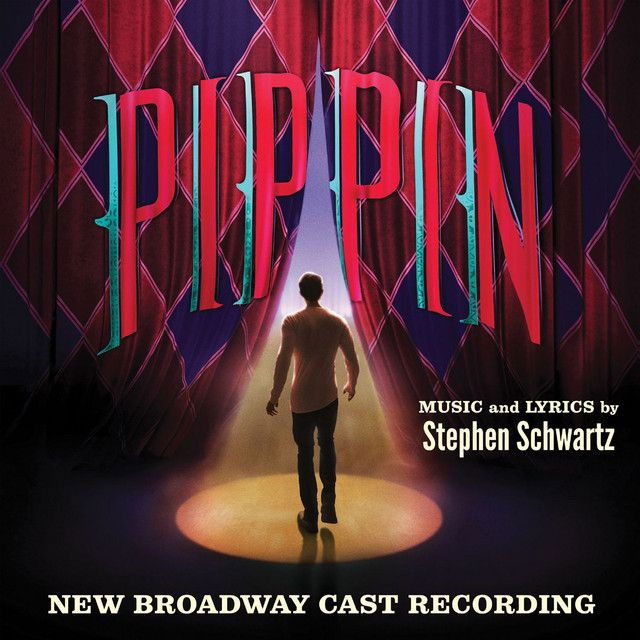
The meaning of Magic to Do Patina Miller, The Players starts with a smile and ends with a challenge. In the 2013 revival of Pippin, this opening number invites the audience into a world of showmanship, but it also teaches them how the evening will work. They are not just watching a story. They are being lured into one.
"Magic to Do" - Patina Miller, The Players
Leave your fields to flower
Join us
Loading lyrics...
Unable to load lyrics
We're unable to display the lyrics at this time. Please try again later.
According to the Broadway cast recording credits summarized by Broadway Fandom, “Magic to Do” appears in Stephen Schwartz’s Pippin and is performed in the 2013 revival recording by Patina Miller as the Leading Player with the ensemble. That context matters, because the Leading Player is not a neutral narrator. They act like a ringmaster, host, and manipulator all at once.
The Song Opens the Curtain and Sets the Trap
On the surface, the song is simple. The Players call out Join us
and offer an exciting theatrical experience. They promise travel, wonder, comedy, romance, and danger. It sounds like a bright welcome to a live show.
But the language does more than advertise entertainment. The audience is told to leave ordinary work behind and step into a crafted spectacle. Phrases like magic to do
and just for you
sound generous, yet they also make the audience a target. The performance is personal. The show wants their attention, their feelings, and eventually their trust.
Interpretation: That is why the song can feel both fun and unsettling. It sells pleasure, but it also reveals control.
Watch the official Magic to Do
music video
Patina Miller’s Leading Player Changes the Meaning
Patina Miller’s performance gives the number much of its power. Reviews of the 2013 revival often highlighted how magnetic and commanding her Leading Player was, especially in a production shaped by director Diane Paulus and circus-inspired staging on Broadway, as covered by major theater reporting such as Playbill and The New York Times.
That star presence matters to the song’s meaning. If the Leading Player sounded only friendly, the number would feel like a standard welcome. Miller’s sharp authority makes it feel more layered. They are inviting the crowd in, but they are also establishing dominance over the stage.
In other words, the song says: relax, enjoy, and let the Players take over.
How the Lyrics Build a World of Spectacle
The lyric writing by Stephen Schwartz is clever because it moves quickly through many kinds of entertainment. The audience hears hints of intrigue, humor, romance, illusion, and violence. The Players are basically listing genres and pleasures, as if promising that this one show can contain all human experience.
A short phrase like hearts to warm
suggests comfort and emotional release. Then a phrase like take by storm
raises the stakes and adds conquest, scale, and swagger. By the time the song mentions foibles and fables
, it becomes clear that the show will mix human weakness with theatrical myth.
That combination is key to Pippin as a whole. The musical asks whether a meaningful life can be found in glory, romance, war, performance, or something smaller and more ordinary. This opening number previews all those paths without explaining them yet.
Why the Chorus Matters So Much
The chorus is the sales pitch and the thesis. The Players keep repeating their promise that they have wonders to present. Musically, repetition makes the offer irresistible. Dramatically, repetition feels like persuasion.
The central idea is not just that theater is magical. It is that theater can organize experience into neat, exciting pieces. They have roles ready, emotions ready, and stories ready to be performed. That is thrilling, but it is also suspicious. Real life is messy. This show arrives already packaged.
Interpretation: The chorus hints that the musical will question whether life should be lived directly or staged for effect.
The Sound Turns Invitation Into Seduction
The production style helps sell that idea. In performance, “Magic to Do” is bold, rhythmic, and theatrical, with ensemble responses that make the stage feel communal and larger than life. The call-and-response structure creates the feeling of ceremony, almost like the audience is being initiated into a secret society.
The orchestration and stage energy push the song forward like a parade. That movement matters. There is no time to resist. Everything is designed to sweep the listener along.
One brief lyric passage captures the mood:
We've got magic to do
Just for you
We've got miracle plays to play
Even there, the idea is less about one specific emotion than about theatrical abundance. The show is promising total experience.
A Friendly Welcome With a Dark Edge
One reason the song lasts in memory is its double meaning. It is an opening number that genuinely excites people. It does the classic Broadway job of raising the curtain with style. But within Pippin, it also announces that what follows will be shaped by performers who know exactly how to seduce an audience.
That makes the meaning of Magic to Do Patina Miller, The Players richer than a simple “welcome to the show.” It is about the thrill of performance and the danger of letting performance define reality. The Players offer spectacle, but they also frame life as something to be packaged, sold, and consumed.
Patina Miller’s version sharpens that idea. They make the invitation feel irresistible, yet never harmless. The smile never fully hides the power behind it.
Final Take on the Song’s Message
At its core, “Magic to Do” is about theater as temptation. It invites people to trade the ordinary world for a dazzling one, while quietly warning that dazzlement has a cost. The number opens Pippin by promising everything, and that is exactly why listeners should pay attention to what the Players want in return.
This article offers interpretation based on the lyrics, performance context, and known production history; like any work of theater, the song can support more than one valid reading.








