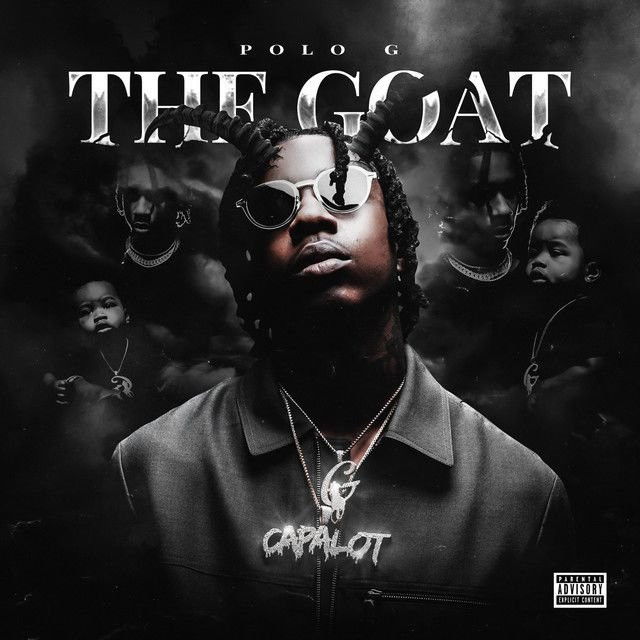
Why “Wishing For A Hero” Hits So Hard
The meaning of Wishing For A Hero Polo G, B.J. the Chicago Kid comes into focus fast: this is a song about living inside repeated trauma and still trying to imagine a future. It is not just protest music, and it is not just autobiography. They use the track to connect personal pain, neighborhood violence, and systemic injustice into one clear argument: young people are often blamed for conditions they did not create.
"Wishing For A Hero" - Polo G ft. B.J. the Chicago Kid
A lot of rappers doin' way more stuntin' than givin' back
You ain't my color, then you don't know the struggle of livin' black
Loading lyrics...
Unable to load lyrics
We're unable to display the lyrics at this time. Please try again later.
Released on The GOAT in 2020, the song closes the album with a heavy sense of reckoning. Reviews of the album noted that Polo G’s second project widened his focus from survival stories to responsibility and mentorship, with EARMILK calling the finale one of the record’s most hopeful moments. That placement matters. As an ending, this track sounds like a summary of everything the album has been building toward.
The Song’s Core Message Is Bigger Than One Story
At its heart, the song says that pain becomes normal when a community is boxed in by violence, poverty, and racism. Polo G presents that reality in blunt terms, moving from police violence to court sentences, job barriers, street retaliation, addiction, and grief.
When they hear phrases like spittin' facts
and livin' black
, the point is not bragging. He is framing himself as a witness. They are hearing someone insist that lived experience matters, especially when outsiders talk about crime without talking about the structures around it.
Interpretation: the title suggests a search for rescue, but the song sounds skeptical that a single hero is coming. Instead, it asks what happens when whole neighborhoods are told to survive on their own.
Watch the official Wishing For A Hero
music video
From the Block to the System
One of the song’s sharpest moves is how it links street choices to larger systems. Polo G does not excuse violence, but he does explain the pressure around it. He describes young people chasing status, carrying trauma, and getting trapped in cycles of revenge.
The line about being stuck in the system
matters because it shifts blame away from simple personal failure. He argues that schools, courts, policing, and the job market all shape the path. When he says the environment is a trap
, he is not using that word as a trend label. He means it literally: limited options, constant danger, and punishment waiting at every exit.
That is why the song feels so urgent. They are not hearing a detached social essay. They are hearing someone map cause and effect in real time.
The Chorus Turns Resignation Into a Warning
B.J. the Chicago Kid’s hook borrows emotional force from a famous refrain associated with songs about social inequality. Here, the repeated idea that some things never change sounds exhausted, but it also sounds accusatory.
That's just the way it is
Some things will never change
Those words are simple, which is exactly why they land. After all the details in the verse, the chorus stops arguing and just stares at the pattern. Interpretation: the hook is less about accepting injustice than exposing how often society treats it as normal.
Sound and Sample: Why the Production Matters
The production helps carry that message. The song draws from the musical lineage of socially conscious rap by echoing the feel of Tupac’s “Changes,” which itself built on Bruce Hornsby’s writing. That connection places Polo G inside a longer conversation about race, poverty, and public neglect.
Musically, the track is restrained. Instead of chasing a huge club sound, it leans on a reflective groove and soulful vocal phrasing. That gives Polo G room to rap with clarity. Critics noted across The GOAT that his delivery stands out because the pain in his voice makes the writing feel lived, not performed.
B.J. the Chicago Kid is crucial here. His singing does not soften the message so much as widen it. He gives the song a human, mournful center, turning the chorus into something like communal grief.
Grief, Memory, and the Fear of No Future
Another key part of the meaning of Wishing For A Hero Polo G, B.J. the Chicago Kid is fear. Not abstract fear, but daily fear: fear of dying young, of losing friends, of being punished before adulthood really starts.
When Polo G says he can't sleep
, the line connects public history to private distress. He mentions Malcolm X and Martin Luther King Jr. not as schoolbook icons, but as reminders that even hope and leadership can be targeted. In that light, the title becomes even sadder. Wanting a hero also means knowing what often happens to them.
He also admits attachment to the same place that hurt him. That tension is one of the song’s strongest truths. People can love their neighborhood and still know it is dangerous. They can miss childhood while recognizing that childhood ended early.
Why the Song Still Resonates
The track still hits because it refuses easy uplift. It offers empathy, not fantasy. Even its hope is complicated. On The GOAT, Polo G was increasingly framed as an artist trying to teach as well as testify, and this song captures both roles at once.
Interpretation: the “hero” may not be one person at all. It may mean community care, honest storytelling, and structural change happening together. The song leaves that question open, which is part of its power.
In the end, “Wishing For A Hero” is about what it feels like to grow up where survival is treated as success. They hear pain, anger, memory, and warning in the same breath. That is what gives the song its staying power.
Disclaimer: This interpretation mixes documented context with critical reading. Meaning can vary by listener.








