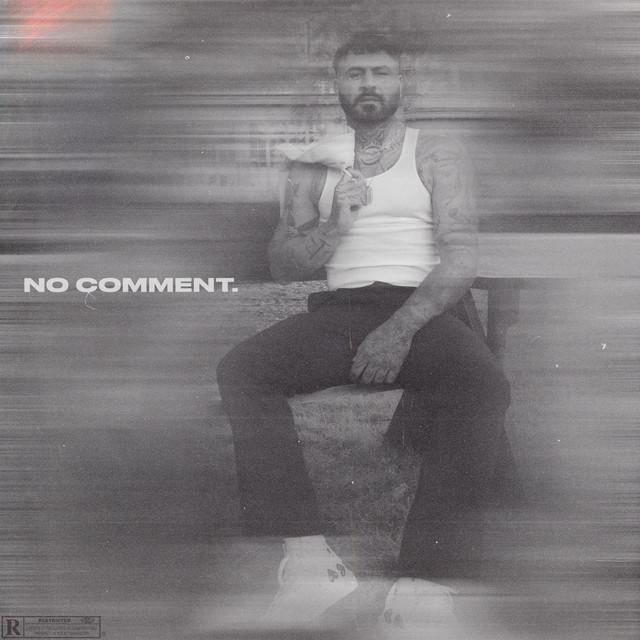
What "let you out" by Questions Really Means
The meaning of let you out Questions comes down to one messy idea: letting someone back into their life and then realizing the damage never really left. The song sounds flirtatious on the surface, but underneath it is full of blame, longing, and emotional confusion.
"let you out" - Questions
(Talkin' 'bout you always trynna see me now)
You run that mouth whatchu talkin' 'bout?
Loading lyrics...
Unable to load lyrics
We're unable to display the lyrics at this time. Please try again later.
Questions builds the track around confrontation. The speaker is not calmly reflecting. They are reacting in real time, pushing back against someone who suddenly wants closeness again. That tension gives the song its charge.
A Push-Pull Song About Access and Hurt
At the center of the song is a person who feels exposed. The hook opens with a challenge, using the phrase run that mouth
to question the other person’s words. In plain terms, the narrator hears talk, excuses, and demands, but they are not sure any of it is sincere.
The title phrase matters because “letting out” sounds like permission. It suggests the narrator opened a door, emotionally or physically, and now regrets what followed. When the song says let you out of the house
, it can be read literally, but Interpretation: it more likely points to releasing trust, desire, or vulnerability.
That is why the next complaint hits hard. The other person wants to be seen now, yet the narrator remembers a pattern of being abandoned. The relationship is not balanced. One person asks for access; the other remembers the times they were denied it.
The Chorus Turns Desire Into an Argument
The chorus is catchy, but its message is bitter. It sets up a simple emotional math:
- The other person is suddenly loud and present.
- They want attention now.
- The narrator remembers being disappointed before.
- That memory blocks easy reunion.
This is where the meaning of let you out Questions becomes clearer. The song is not only about missing someone. It is about resenting how quickly they return once the narrator has already been hurt.
A key phrase is you let me down
. That short line anchors the whole record. Without it, the song might sound like ordinary lust or late-night drama. With it, the song becomes a story about trust broken by repetition.
Fire, Flame, and Overflowing Emotion
One of the song’s strongest images is the search for a lost spark. When the narrator asks where their flame went
, they are not just talking about passion. They seem to be asking what happened to their confidence, energy, or emotional center.
That image connects to another important detail: this relationship still has heat. The attraction has not disappeared. The song keeps moving between sensual language and emotional injury, which makes the track feel unstable in a compelling way.
There is also a strong sense of overflow. The imagery around climax and waterfall suggests intensity that cannot be neatly contained. Interpretation: that may describe sex, but it can also describe emotion itself—feelings spilling over after being held in too long.
A Relationship So Close It Blurs Identity
Midway through the song, the narrator admits the situation feels way too personal
. That line is simple, but it opens the deepest part of the track. This is not casual. They feel cut open by the connection.
The song even compares the hurt to something surgical, which is a sharp metaphor for precise emotional pain. It is not random chaos. It feels targeted, intimate, and almost impossible to ignore.
Then comes one of the most revealing ideas in the lyric:
I don't see the difference
between me and you,
like who is who?
This is the article’s only longer quote because it captures the song’s emotional center. The narrator feels fused with the other person. Love, lust, memory, and self-image have blended together.
Interpretation: That can mean deep intimacy, but it can also signal unhealthy attachment. The song leaves room for both readings.
How the Sound Likely Supports the Meaning
Even from the lyrics alone, the track suggests a moody, intimate style. The repetitions, clipped phrases, and conversational ad-libs fit modern melodic rap and alternative R&B more than traditional pop songwriting. That matters because this kind of production often turns emotional conflict into atmosphere.
A likely reading of the sound is:
- a looping hook that traps the listener in the same thought cycle
- soft but heavy drums that make the song feel bodily and tense
- close vocal delivery that sounds like a private argument
- melodic phrasing that blurs anger and attraction
That blend would support the lyric well. The song is not trying to solve the relationship. It is trying to sit inside its confusion.
Artist Context and What Can Be Said for Sure
The user-provided credits identify Jose Nieves Jr. as the writer. Beyond that, publicly confirmed details about release date, project placement, and production are not clearly established here, so this article avoids guessing. Where facts are limited, the best approach is to focus on what the lyrics clearly show.
What they clearly show is a speaker checking on their mental state, refusing games, and trying to understand why attraction still survives disappointment. That is why the meaning of let you out Questions feels emotionally true even when the exact story remains blurry.
The Best Way to Read "let you out"
The strongest reading is that this song captures the moment when chemistry outlasts trust. The narrator still feels the pull. They still remember the pleasure. But they also know the other person has already failed them.
That conflict is the point. Questions makes the song feel heated, wounded, and unresolved all at once.
Disclaimer: This interpretation is based on the lyrics provided and limited available song context. As with most songs, meaning can vary from listener to listener.








