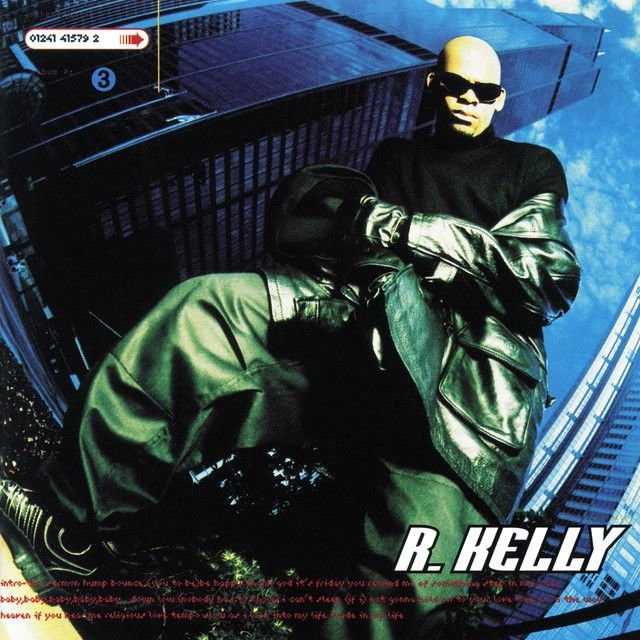
Why 'Trade in My Life' Feels So Desperate
The meaning of Trade in My Life R. Kelly comes through fast: this is a song about regret, devotion, and the wish to reverse a breakup at any cost. The singer is not just sad that a relationship ended. They sound ready to give up everything they value if it would bring that person back.
"Trade in My Life" - R. Kelly
Trade in my life
Oh for you, oh yes, oh yes
Loading lyrics...
Unable to load lyrics
We're unable to display the lyrics at this time. Please try again later.
Written by Robert S. Kelly and gospel artist John P. Kee, the song blends R&B heartbreak with spiritual language. That mix matters. It turns a love song into something larger, where romance starts to sound like confession, prayer, and repentance.
The Heart of the Song: Love After Loss
At its core, the song follows someone sitting alone and replaying the collapse of a once-happy relationship. They ask what went wrong, remember better days, and keep hoping for reunion. The hook, built around trade in my life
, is not meant to sound literal so much as absolute. It shows the size of their remorse.
This is why the song feels heavier than a standard breakup ballad. The speaker does not simply miss a partner. They believe the relationship gave life meaning, and without it, success, pride, and even identity seem empty.
Watch the official Trade in My Life
music video
A Voice Caught Between Memory and Prayer
The verses move like private thoughts spoken out loud. The singer sits, wonders, remembers, and pleads. That pattern makes the song intimate. It sounds less like a performance and more like someone talking to themselves late at night.
A few lines sharpen that feeling. Phrases like happy home
and happy pair
suggest this was not a casual romance. It may have been a long-term bond, perhaps even a marriage, since the song later refers to a vow to stay together.
The Promise They Cannot Forget
The mention of a vow shifts the song from sadness to guilt. They are not only grieving the loss; they are grieving a broken commitment. That is why the plea carries moral weight. The person singing seems to feel responsible, or at least deeply accountable, for what has happened.
What does it profit a manTo gain the worldand lose his soul?
That brief biblical reference reframes the whole track. After that, the listener can hear the song as a warning about ambition, ego, or distraction. The singer may have gained public success but lost the relationship that mattered most.
How the Chorus Expands the Theme
The chorus is simple, but that simplicity is the point. By repeating the same core promise, the song mimics obsession. The mind returns to one thought again and again: if there were any way to undo the damage, they would do it.
Interpretation: the repeated offer to sacrifice everything may be less about actual self-destruction and more about emotional surrender. The singer is finally stripping away pride. They are saying love matters more than status, comfort, or even the image they built around themselves.
That reading gains support near the end, when they admit they love music and fans but need to step back and face reality. It is one of the song's most revealing turns. The conflict stops being just romance versus loneliness. It becomes public life versus private truth.
The Sound: Slow-Burn R&B With Gospel Weight
Musically, the song works because it stays restrained. As an R&B/soul recording, it leans on a slow tempo, soft keyboard textures, and a patient vocal build rather than dramatic production tricks. That gives the words room to land.
The gospel connection also shapes the feeling. Because John P. Kee is credited as a writer, listeners can hear a church influence in the song's call-and-response style, emotional repetition, and moral framing. The result is not pure gospel, but it borrows gospel's language of surrender and testimony.
That matters for the meaning of Trade in My Life R. Kelly. The singer does not sound cool or detached. They sound humbled. Even the line about staying on my hands and knees
pushes the song toward prayer imagery. In plain terms, they are not bargaining from strength. They are begging.
Symbols of Time, Darkness, and Return
Several small images connect the song's ideas. The past is gone, tomorrow is coming, and the sun is going down. These are simple images, but together they create a timeline of loss.
- The past stands for memories they cannot change.
- Tomorrow represents hope, however thin.
- Sunset suggests emotional darkness and fear.
- Return is the dream that keeps them speaking.
When they say I need you around
, that need feels larger than company. The other person seems to represent stability, purpose, and maybe even salvation from the speaker's own mistakes.
Two Strong Readings of the Song
Interpretation 1: A direct breakup plea. In the most straightforward reading, the song is about a lover trying to win back a partner after separation. The references to a broken home, old memories, and reunion all support that.
Interpretation 2: A confession about misplaced priorities. The later lines about music, fans, and gaining the world suggest a second layer. The relationship may have been damaged by fame, work, or personal ambition. In that reading, the song is not only saying “come back.” It is saying, “I now understand what I should have valued all along.”
Why the Song Still Connects
The song lasts because its emotions are easy to recognize. Many listeners know the feeling of realizing something's worth only after it is gone. The writing is plainspoken, which helps. It does not hide behind complex poetry. It says the hard thing directly.
For that reason, the meaning of Trade in My Life R. Kelly is less about romance alone than about priorities. It asks a hard question: what good is success if someone loses the person who made life feel whole?
Final Take
In the end, "Trade in My Life" turns heartbreak into confession. Through slow R&B, gospel echoes, and a repeated cry of surrender, it presents love as something more valuable than achievement.
That is the strongest way to hear it: as a song about loss, humility, and the painful moment when someone understands too late what truly mattered.
Disclaimer: This interpretation is based on the song's lyrics, musical style, and publicly available credits. Meaning can vary from listener to listener.