Why Randy Travis Made Love Sound Like Home
The meaning of Deeper Than the Holler Randy Travis comes down to one smart idea: love sounds stronger when it speaks in a language people actually know. Instead of borrowing huge, polished images from pop songs, this hit uses the land, weather, and sounds of the rural South to describe devotion.
"Deeper Than the Holler" - Randy Travis
Deeper than the oceans, higher than the stars above
Well I come from the country and I know I ain't seen it all
Loading lyrics...
Unable to load lyrics
We're unable to display the lyrics at this time. Please try again later.
That choice is why the song still feels fresh. It is not trying to invent a new feeling. It is trying to say an old feeling in a voice that sounds honest.
Where the Heart of the Song Really Lives
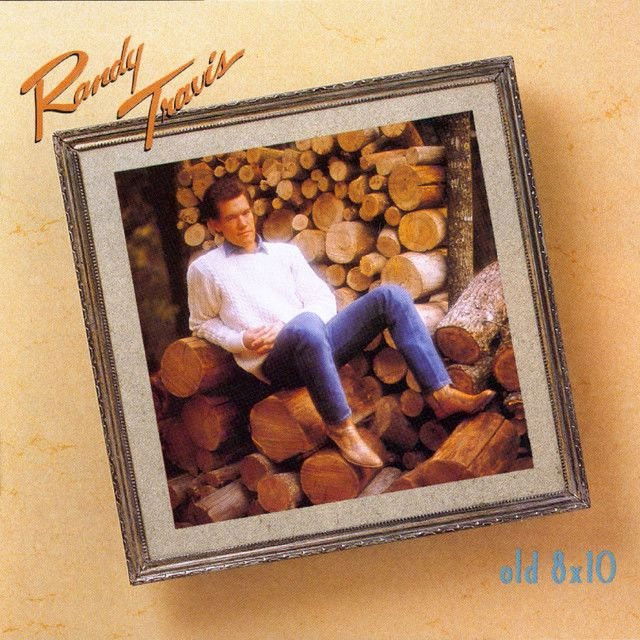
Recorded by Randy Travis for Old 8x10 and released as a single in 1988, the song was written by Paul Overstreet and Don Schlitz and produced by Kyle Lehning. It became Travis' eighth No. 1 country hit in the U.S., reaching the top in January 1989. Those facts matter because they place the song in the middle of Travis' classic run, when his plainspoken style helped define late-1980s country.
Factual context: it is widely described as a mid-tempo country ballad built around regional imagery and a direct love statement.
Interpretation: the song works because it pushes back against fancy, overused romance. Early on, the narrator mentions singers reaching for giant comparisons like oceans and stars. Then they quietly reject those images as too distant or unreliable. Oceans are salty. Stars fall. So the singer turns toward what feels solid and familiar.
Watch the official Deeper Than the Holler
music video
A Love Song Built From Nearby Things
The chorus gives the best-known examples. The singer says their love is deeper than the holler
, stronger than the rivers
, and higher than the pine trees
. After each image, the song keeps narrowing love down into things that feel local, seasonal, and lived-in.
That matters. A holler is a Southern term for a hollow or valley, especially in Appalachian speech. Songfacts notes that Overstreet and Schlitz shaped the song around inland Southern geography rather than coastal metaphors. In other words, they made a big love song for people who may be thousands of miles from an ocean.
Interpretation: the images do two jobs at once:
- They make the emotion sound huge.
- They make the speaker sound believable.
This is not abstract poetry. It is emotional truth spoken through everyday country scenery.
Why the Chorus Feels So Sincere
The hook is memorable because it mixes grandeur with humility. The singer is making a massive promise, but they do not sound showy. Even the line about love being honest as a robin
points to character, not just intensity.
That word choice is important. The song is not only about depth or strength. It is also about purity and honesty. When the singer compares love to snow in late December and to a bird at a spring window, the mood becomes clean and trustworthy.
deeper than the holler
stronger than the rivers
purer than the snowflakes
Those short phrases show how the song builds devotion through nature, but the larger point is emotional. The singer wants the other person to believe them.
The Clever Twist in the Verses
One of the song's nicest moves is that it admits there are endless love songs already. The narrator even says there are a million love songs
people love to sing. That sounds almost self-aware.
Instead of pretending this feeling is brand new, the song says every love song is different and the same. That makes the track feel wiser than a standard romantic single. It knows love has been described before. The challenge is finding a version that fits the singer's own life.
There is also one especially revealing line about going from back roads to Broadway. Songfacts says Don Schlitz added that as a nod to his wife, who loved Broadway. That little detail widens the song's map. It connects small-town roots to a much bigger world without losing the song's country center.
How Randy Travis' Voice Sells the Meaning
Production matters here. Lehning's arrangement stays gentle and uncluttered, letting Travis' deep baritone carry the message. The tempo is steady, the band never crowds the vocal, and the melody rises just enough to make the chorus feel warm rather than theatrical.
Interpretation: if this song had been sung with too much strain or flash, it might have sounded corny. Travis avoids that problem. They deliver it like a promise already settled in the heart.
That is a big reason the song crossed from simple to lasting. The performance tells listeners that love does not have to be dramatic to be profound.
A Southern Answer to Bigger Pop Metaphors
Songfacts also reports that Overstreet and Schlitz used Ain't No Mountain High Enough
as a model, but translated that spirit into Southern landscape and speech. That helps explain the song's craft.
It is not rejecting the grand love-song tradition. It is joining that tradition on country terms. The images are regional, but the feeling is universal.
For U.S. listeners, especially country fans, that balance is the key to the meaning of Deeper Than the Holler Randy Travis. The song says love can be enormous without sounding imported. It can rise out of creeks, hills, birdsong, and winter weather. It can sound like home.
Why It Still Endures
The song became a No. 1 hit because its message is easy to grasp and hard to resist. It offers romance without pretense. It praises devotion in a voice that feels grounded, mature, and kind.
Interpretation: at its deepest level, the song is about matching emotion to identity. The singer does not just love someone deeply. They love them in a way that reflects where they come from.
That is why the song remains one of Randy Travis' signature recordings. It proves that plain language, when chosen well, can say more than a dozen grand gestures.
Disclaimer: This interpretation blends documented facts about the song with critical reading of its lyrics, performance, and themes. Different listeners may hear its meaning differently.









