Why "On the Other Hand" Still Hits Hard
The meaning of On the Other Hand Randy Travis comes down to one sharp moral conflict: desire on one side, commitment on the other. The song tells a simple story about a man who is strongly tempted by another woman, yet stops himself because he is married. That basic setup is easy to follow, but the song lasts because it treats temptation as real, not cartoonish.
"On the Other Hand" - Randy Travis
And hold you close to me all night long
So many lover's games I'd love to play with you
Loading lyrics...
Unable to load lyrics
We're unable to display the lyrics at this time. Please try again later.
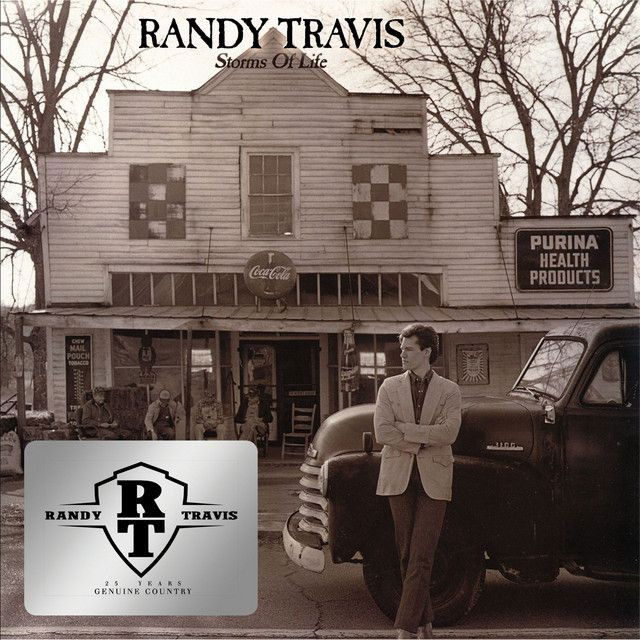
Randy Travis recorded the song for Storms of Life, and it became a major turning point in his rise as a new traditionalist country star. Written by Paul Overstreet and Don Schlitz, the track was first released in 1985, then reissued in 1986 and became Travis' first No. 1 country hit, according to Songfacts. That success matters to the meaning too: listeners heard a hit that did not glamorize cheating, but framed faithfulness as a hard choice.
The Song's Core Conflict in Plain English
At its heart, the song is about a married man doing a mental weighing of options. One side is pleasure, chemistry, and the thrill of being wanted. The other side is the promise he already made.
The lyric idea is built around contrast. The singer admits attraction and even imagines staying, but then the image of a wedding ring interrupts that fantasy. The key phrase golden band
is not just a detail. It is the whole argument in one object.
This is why the chorus lands so well. It turns the phrase on the other hand
into both a pun and a moral reset. One hand reaches toward temptation; the other carries the proof of marriage.

Watch the official On the Other Hand
music video
How the Verses Build the Moral Tension
The opening verse does not pretend the speaker feels nothing. Instead, it lists reasons he could remain with this woman. The song acknowledges touch, closeness, and what sounds like an immediate spark. That honesty is important because it keeps the song from sounding preachy.
Then the chorus changes the frame. The singer remembers that someone else would be hurt and confused by his choice. In other words, the song moves from private desire to public consequence.
In the second verse, the feelings deepen. The woman makes him feel alive again. Phrases like felt so alive
and something else
show that this is not a passing glance. It feels powerful enough to wake up emotions he thought were gone.
But on the other handthere's a golden bandthe reason I must gois on the other hand
That brief refrain explains the song's emotional logic. He does want to stay. He simply decides he should not.
What the Song Says About Character
One reason the meaning of On the Other Hand Randy Travis still connects with listeners is that it is not really about perfect virtue. It is about restraint. The singer is tempted, shaken, and briefly revived by attention, yet he leaves.
Interpretation: the song suggests that loyalty matters most when it costs something. If the choice were easy, there would be no song. By making the temptation believable, Overstreet and Schlitz turn commitment into an active decision rather than a passive state.
That idea fits comments from songwriter Paul Overstreet, who said he wanted to write a song about having the strength to say no in tempting situations. That brief explanation, reported by Songfacts and American Songwriter, lines up closely with what listeners hear in the finished song.
The Wedding Ring as the Central Symbol
Country songs often use everyday objects to carry big emotions, and this song does it brilliantly. The ring is small, ordinary, and visible, but it holds memory, duty, and identity.
The phrase golden band
works because it is concrete. It is not an abstract lecture about morality. It is a physical reminder on the body. In the song, that object becomes stronger than passion.
There is also a quiet irony here. Hands are usually associated with touch and desire. In this track, one hand points toward the affair, while the other points back to marriage. The body itself becomes divided.
Why Randy Travis Sells the Story
Randy Travis' performance is a huge part of the song's meaning. His baritone sounds steady and grounded, which helps the song avoid melodrama. He does not overplay the guilt. Instead, he sings with calm control, making the decision feel adult and final.
The production also matters. The arrangement stays close to classic country: gentle swing, clean rhythm section, and traditional instrumentation. That neotraditional sound supported the wider 1980s country shift back toward honky-tonk and plainspoken storytelling. In this setting, the song feels less like a flashy confession and more like a sober real-life test.
Because the music is restrained, the lyric tension stands out. Nothing in the track distracts from the central problem. The performance gives the story space to breathe.
Why It Mattered in Country Music
The song's chart story mirrors its larger cultural impact. It first stalled, then came back and reached No. 1 in 1986. That comeback helped establish Travis as one of the defining voices of mainstream country's traditional revival.
It also showed that a hit country single could still win listeners with clarity and values-based storytelling. The song later earned major honors, including CMA and ACM recognition for Song of the Year. That reception suggests audiences and industry voters heard more than a catchy hook; they heard a classic country dilemma told with discipline.
A Final Reading of the Song
Interpretation: beneath the marriage theme, the song is also about self-command. The woman in the song awakens something missing in the singer, but he decides that rediscovered feeling does not justify betrayal. That makes the ending sadder than a simple moral victory. He walks away from something he genuinely wants.
That is why the song still feels human. It does not deny longing. It places longing beside responsibility and lets responsibility win.
Disclaimer: This interpretation is based on the lyrics, recording context, and available songwriter commentary. As with any song, listeners may hear different meanings in it.








