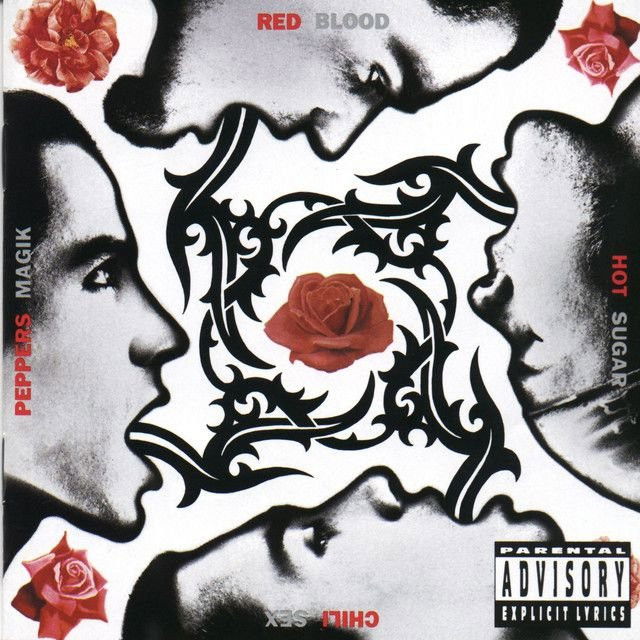
Under the Bridge by Red Hot Chili Peppers
A quiet confession became a career-defining anthem. The meaning of Under the Bridge Red Hot Chili Peppers centers on isolation, recovery, and the uneasy comfort of a city that feels more present than people. Listeners hear a man turning memory into map—every street sign pointing back to loneliness and the lure of escape.
"Under the Bridge" - Red Hot Chili Peppers
Sometimes I feel like my only friend
Is the city I live in, the city of angels
Loading lyrics...
Unable to load lyrics
We're unable to display the lyrics at this time. Please try again later.
Loneliness Mapped onto Los Angeles
The narrator looks to Los Angeles for company, calling it his my only friend
and city of angels
. That move is telling. When people fail him, he personifies the city: it “knows who I am,” he suggests, which hints at a paradox—he feels seen by an impersonal landscape more than by loved ones.
Factually, Anthony Kiedis wrote the lyrics during a sober period while reflecting on prior heroin and cocaine use and the distance it created from friends. The bridge becomes shorthand for a humiliating low—entering gang territory for drugs—while the sunlit sprawl of L.A. becomes the witness and the crutch.
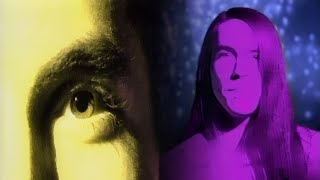
Watch the official Under the Bridge
music video
Who’s Speaking—and Who’s Listening?
The song uses first-person voice. They’re not preaching; they’re admitting. When the singer says they are together we cry
with the city, it pairs solitude with a need to bond. The city fills in for a person who could listen without judgment. Interpretation: the “you” the narrator longs for is connection itself—anywhere it can be found without threat or shame.
What’s Happening: A Simple Timeline of a Hard Day
- Morning to afternoon: He drives and walks the hills, trying to feel grounded, using the city as a confidant.
- Memory intrudes: A specific downtown scene surfaces—what he did “under the bridge”—and the shame that followed.
- The plea: He begs to be carried back to life before that day; back to whatever “place I love” felt like.
- The reckoning: In the outro, the hardest truth lands: addiction once felt like everything, and it cost almost everything.
The Chorus: A Promise to Never Go Back
Before and after the chorus, he recalls a past he’s afraid to repeat. The hook tells you why:
I don't ever wanna feel Like I did that day
Those lines are the guardrail. Interpretation: the chorus is a vow, set against a flashback so vivid that it still stings. It’s not just about drugs; it’s about refusing the emptiness that followed.
Symbols That Carry the Pain
- The bridge: A literal spot tied to buying and using drugs; a metaphor for crossing from self to self-destruction. The line
Under the bridge downtown
is a location and a shame-marker. - The city as lover/confessor: He credits L.A. with saving him when people could not. It keeps him moving, even if it can’t embrace him.
- The cost of escape: The sobering admission
I gave my life away
speaks to how addiction steals time, trust, and love. - Movement (driving, walking): Motion without arrival suggests recovery as ongoing—a road, not a finish line.
How the Sound Makes Sadness Sing
Musically, this is a turn from the band’s usual funk punch toward melodic alt-rock. John Frusciante’s guitar sketches a tender intro inspired by Jimi Hendrix’s “Little Wing,” then bright major chords carry the verses. That brightness doesn’t erase the hurt; it frames it. Rick Rubin urged the band to shape Kiedis’s poem into a song, and the decision to keep the vocal calm early lets the emotion build without melodrama.
As the drums and bass arrive, the track widens from confession to anthem. The outro choir—featuring Frusciante’s mother—creates a communal echo around a solitary memory. Interpretation: the choir turns one man’s lowest moment into a shared vow not to return there. The music offers lift without pretending the weight is gone.
From Personal Confession to ‘90s Classic
The single helped push the band into the mainstream, peaking at No. 2 on the Billboard Hot 100 and becoming a defining alternative hit of the decade. The Gus Van Sant–directed video, with Kiedis roaming L.A., matched image to lyric—public space as private diary. Over time, fans latched onto the song not simply as a drug narrative, but as a soundtrack for anyone who’s ever felt alone in a crowd.
Alternate Readings That Still Fit
- Interpretation: A recovery pledge. The chorus is a personal boundary—no more “that day,” no more self-erasure.
- Interpretation: A love song to L.A. He uses the city as a surrogate partner because it never asks questions; it just stays. That’s comfort and warning at once.
- Interpretation: A prayer for belonging. When human connection feels out of reach, any steady presence—even streets and hills—can be enough to keep going.
Takeaway
The meaning of Under the Bridge Red Hot Chili Peppers isn’t a riddle: it’s a map of loneliness, a promise to stay clean, and a thank-you to a city that kept watch. It’s personal, but it invites everyone to circle a date in their past and say: never again.
Disclaimer: Song meanings are interpretive. Details about writing, production, and reception are based on reported sources and the band’s own accounts.











Right on point!