Take A Bow by Rihanna
Rihanna’s 2008 ballad lands like a closing scene: the lights dim, the truth is exposed, and the audience is asked for a sarcastic round of applause
. For anyone searching the meaning of Take A Bow Rihanna, the heart of the song is simple and sharp—self‑respect after deception.
"Take A Bow" - Rihanna
Yeah
Standin' ovation
Loading lyrics...
Unable to load lyrics
We're unable to display the lyrics at this time. Please try again later.
The Applause Is Sarcasm: Core Meaning
The title phrase take a bow
is not praise; it’s a dismissal. The narrator treats their partner’s apology as a performance, not a confession. When they toss out standing ovation
, it’s a barb. They are calling the lies a show that deserves to end, not be renewed.
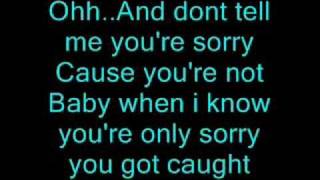
At its core, the song is about refusing to be fooled twice. The line only sorry you got caught
flips the script on the classic “I’m sorry.” It says: the regret isn’t about hurting me, it’s about your exposure. That clarity—naming the difference between remorse and consequences—is the engine of the song’s power.
Watch the official Take A Bow
music video
Who’s Talking—and What Happens, In Order
The voice is a first‑person narrator addressing a partner in the second person. They speak directly, with cutting calm, and set boundaries without begging. Here’s the story beat by beat:
- Discovery: The narrator has learned about the partner’s lies and possible cheating.
- Confrontation: The partner shows up with tears and clichés; the narrator sees through them.
- Verdict: The chorus reframes the whole relationship as theater—
put on quite a show
—and calls for the exit. - Closure: With the
curtain’s finally closing
, the narrator tells them to leave, take their things, and accept the end.
Interpretation: The timeline matters because it shows control. The speaker isn’t spiraling. They are steady, sarcastic, and done.
Theater Imagery as Emotional Armor
The song leans on stage language to turn private pain into public critique. Applause, awards, curtains—each image helps the narrator keep distance from the hurt. By casting the lover as an actor, they reduce the lies to a role and deny them real power.
round of applause
: Polite, performative clapping; the relationship’s “final clap” is not affection, it’s closure.put on quite a show
: The deception was elaborate, maybe charming at times, but always staged.curtain’s finally closing
: The end is not a question. It’s the last cue.take a bow
: The ultimate dismissal—accept your performance is over and exit.
Interpretation: Theatrical metaphors let the narrator control the frame. Instead of reliving betrayal, they direct the scene and decide when it ends.
Sound and Release Context
Take A Bow was written by Shaffer “Ne‑Yo” Smith with Stargate’s Mikkel S. Eriksen and Tor Erik Hermansen, who also produced it. The arrangement is spare: piano chords, a mid‑tempo R&B/pop pulse, and roomy reverb. That openness leaves space for the side‑eye in Rihanna’s delivery to land. She slides from cool restraint to clipped emphasis—little ad‑libs that sharpen the sarcasm—then returns to calm. The mix is clean and uncluttered, which keeps the focus on the words.
The track arrived as part of Good Girl Gone Bad: Reloaded in 2008 and became a global hit, reaching No. 1 on the Billboard Hot 100. The success made sense: after the widescreen pop of “Umbrella,” this felt like its quieter, steelier cousin. Where “Umbrella” promises protection, “Take A Bow” protects boundaries.
Some listeners later tried to anchor the song to public relationship events around Rihanna, but it was written and released before those headlines. That context matters because it underscores how the song works beyond biography. It reads as a universal script for ending things with a liar—sharp, controlled, and final.
What Listeners Can Take Away
If the chorus is the headline, the subtext is dignity. The narrator never begs, never trades insult for insult. They state facts, reject the spectacle, and keep the door closed. The hook centers the message: the show is over, take a bow
.
For fans in the United States and beyond, the meaning of Take A Bow Rihanna lands because it’s useful. It gives language for that moment when apologies feel like acting. It also models an exit that doesn’t need yelling: identify the lie, call the performance what it is, and end the scene.
Disclaimer: Song interpretations reflect one informed reading of lyrics, context, and production. Other listeners may hear different shades of meaning.