Why 'Love My Life' Feels Like a Survival Anthem
Robbie Williams' “Love My Life” sounds simple on first listen, but its message runs deeper than a basic self-esteem anthem. The meaning of Love My Life Robbie Williams centers on recovery, self-acceptance, and the hard work of learning not to be ruled by shame.
"Love My Life" - Robbie Williams
I will never let go completely
One day your hands will be
Loading lyrics...
Unable to load lyrics
We're unable to display the lyrics at this time. Please try again later.
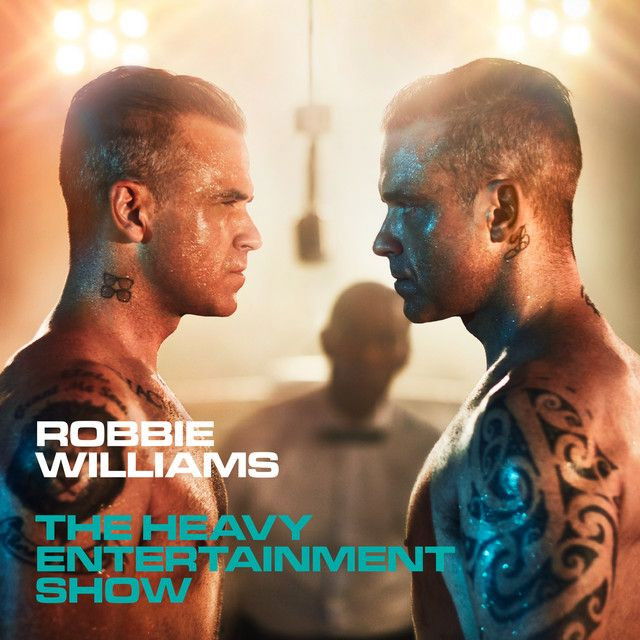
Released in 2016 as a single from The Heavy Entertainment Show, the song arrived with a public explanation from Williams that helps frame it. On Dutch TV, he said it was about positivity, childhood wounds, and choosing hope over negativity. That context matters, because the song does not pretend pain disappears. Instead, it argues that a person can still build a life they want.
The Heart of the Song Is Encouragement, Not Escapism
At its core, the song speaks like a promise from one person to another. The opening idea is protective and steady. When Williams sings Tether your soul to me
, they are not describing romance in a narrow sense. They are offering support: stay connected, hold on, do not drift away.
That support quickly becomes realistic. The speaker admits they cannot fight every battle for the other person. This is key to the song’s meaning. Real love, whether parental, romantic, or even spiritual, does not remove suffering. It helps someone survive it.
Interpretation: Many listeners hear the song as directed to Williams’ children because of his public comments about family, therapy, and wanting to pass on hope. That reading fits the lyrics well. Still, the words are broad enough that the song also works as a message to a partner, a younger self, or anyone struggling to believe they deserve peace.

Watch the official Love My Life
music video
A Chorus Built Like Positive Self-Talk
The chorus is the emotional center of the song. Its repeated claims — I am powerful
, I am beautiful
, and I am free
— sound like affirmations. But they are not presented as empty slogans.
The verses earn them. Before those lines arrive, the song has already admitted weakness, mistakes, sadness, and fear. Because of that, the chorus feels less like fantasy and more like practice. It sounds like someone learning to speak kindly to themselves after years of doing the opposite.
That is why the title phrase matters so much. To say I love my life
is not the same as saying life is perfect. It means they have chosen not to define themselves by damage alone.
The Verses Admit the Hard Part First
One of the smartest things in the writing is that it does not deny pain. The line about not being one’s mistakes gives the song moral weight. Williams places failure in the story, then refuses to let it be the end of the story.
This part is especially important given his history. Williams has spoken publicly about rehab and therapy, and his comments around the song connect those experiences to its hopeful tone. In that light, the lyric I am not my mistakes
becomes a statement of survival rather than simple confidence.
There is also a spiritual thread in the verse about questioning angels. The image suggests a search for meaning during doubt. Instead of receiving a grand religious answer, the song points back to human connection. Love itself becomes the answer.
One Short Bridge, One Big Idea
Near the end, the song shifts from reassurance to instruction. It tells the listener to seek community, to find people with similar hearts, and to move toward freedom together.
Find the others
With hearts
Like yours
Run far, run free
This is the song’s clearest social message. Healing is not only private. It also depends on finding safe people. The bridge turns self-love into belonging.
How the Sound Carries the Message
Musically, “Love My Life” supports its lyrics with a bright but grounded pop-rock arrangement. According to the song’s release details, it was produced by Johnny McDaid with additional production by Gary Go and Jonny Coffer, and it runs a concise 3:28. The production never overcomplicates the idea.
The verses feel measured and intimate, which suits the song’s supportive tone. Then the chorus opens up with a wider, more anthemic lift. That dynamic mirrors the lyric journey from uncertainty to affirmation.
The beat stays steady rather than aggressive. The melody is easy to sing back, which matters because this song is built around repetition. Repetition here is not laziness; it is the point. The chorus works almost like a mantra, inviting listeners to borrow its confidence until they can believe it themselves.
Why the Song Connected With So Many People
“Love My Life” was more than a minor album track. It reached No. 1 in Slovakia and Slovenia and earned certifications including Gold in the UK and Germany and Platinum in Italy, according to Wikipedia’s chart summary. Those numbers do not prove meaning, but they do show the song’s message traveled well across countries.
Part of that reach comes from its openness. The lyrics are personal enough to feel sincere, but general enough to fit many lives. Parents can hear it as guidance for a child. Fans in recovery can hear it as a pledge to keep going. Others may hear it as an answer to anxiety or low self-worth.
The Best Way to Read Its Final Line
The closing thought, ending with being where they want to be, gives the song a quiet landing. It does not sound triumphant in a flashy way. It sounds relieved.
That may be the best summary of the meaning of Love My Life Robbie Williams: it is a song about arriving at self-acceptance after struggle, then passing that hard-won hope on to someone else. Its optimism is convincing because it has already looked at pain and kept speaking.
Final Thought
Interpretation: “Love My Life” works best as a recovery anthem disguised as a pop sing-along. Its real power is not in pretending everything is fine, but in insisting that a person can still become whole.
Meaning in songs is never completely fixed. This reading is an interpretation based on the lyrics, Williams’ public comments, and the song’s production context.








