Why ‘Sweet Home Chicago’ Still Pulls People In
The meaning of Sweet Home Chicago Robert Johnson starts with a puzzle. The song sounds like a simple call to go home, but its map does not fully make sense. Chicago, California, and even Iowa appear in the same small story. That odd mix is exactly why the song has lasted.
"Sweet Home Chicago" - Robert Johnson
Oh baby don't you want to go
Back through the land of California
Loading lyrics...
Unable to load lyrics
We're unable to display the lyrics at this time. Please try again later.
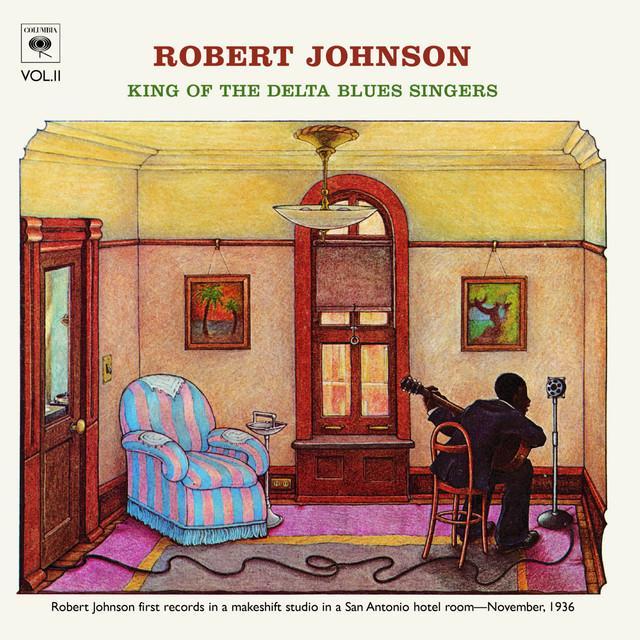
Robert Johnson first recorded the song in 1936 at the Gunter Hotel in San Antonio, and it was released in 1937, according to Wikipedia. Over time, it became one of the best-known blues songs in American music. Even so, its words still leave room for debate.
A Homecoming Song That Is Not So Simple
On the surface, the singer keeps urging someone to leave with them. The repeated plea, don’t you want to go
, gives the song its emotional center. They are not just asking for company. They are asking for movement, escape, and a better place.
That is why the refrain matters so much. When Johnson sings sweet home Chicago
, the city feels less like a street address and more like an idea. It suggests safety, promise, and maybe a new start.
Interpretation: Many listeners hear the song as a migration dream. In the 1930s, Chicago stood for jobs, nightlife, and freedom compared with the hardship of the rural South. The song can be heard as imagining that kind of change, even if the narrator never fully explains where they are starting from.
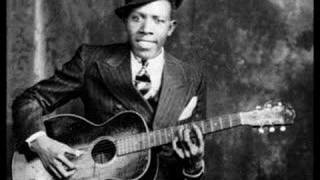
Watch the official Sweet Home Chicago
music video
Why California Shows Up at All
The line about the land of California
is the song’s biggest mystery. If Chicago is “home,” why does California keep appearing? This is one reason people keep returning to the song.
A factual point helps here: Johnson drew from earlier blues songs that used similar phrasing, city names, and counting verses. The song’s roots connect to older pieces like “Kokomo Blues” and related recordings, where place names shifted from version to version. In that sense, Johnson was reshaping blues material rather than writing a travel guide.
Interpretation: California may function as a dream-place, not a fixed destination. Chicago and California both carried a sense of elsewhere. Put together, they create a bigger fantasy of leaving trouble behind.
Another reading is simpler: the geographic confusion may be part of the performance. Blues songs often bend logic for rhythm, mood, and personality. The mismatch can make the singer sound restless, persuasive, or even a little sly.
The Story Hidden Inside the Verses
Even though the song repeats its hook, the verses add motion and tension. They suggest a speaker who is burdened, in a hurry, and maybe dealing with betrayal.
Three key ideas in the lyric
- Departure is urgent. When the singer says
I gotta go
, it turns desire into action. This is not a casual daydream. - Trouble follows close behind. The warnings about
monkeyin’ round
and getting caught in a trick hint at unstable relationships and streetwise caution. - The road never feels settled. References to California and Des Moines make the journey feel wide open, almost improvised.
These details matter because they keep the song from becoming sentimental. It is not just a warm memory of home. It is a song about leaving before life closes in.
How Johnson’s Sound Shapes the Meaning
Part of the meaning of Sweet Home Chicago Robert Johnson comes from how it sounds, not just what it says. Johnson’s guitar has a driving pulse that pushes the song forward. It feels like motion. His vocal delivery, often high and piercing, adds urgency and emotional strain.
Writers have long noted that Johnson’s arrangement transforms older material into something leaner and more intense. The rhythm keeps the performance moving, while the repeating refrain makes the desire to leave feel obsessive. They do not sing like someone calmly planning a move. They sing like someone who needs out.
That musical force helps explain the song’s afterlife. Later versions, especially in electric Chicago blues, turned that restless pull into a full-band anthem. Magic Sam’s 1967 version is often treated as especially important, and the song later reached an even wider audience through the Blues Brothers.
Why Chicago Claimed the Song
It is striking that a song with such blurry geography became Chicago’s blues calling card. But that says a lot about how songs live after their first recording.
Later performers often changed or dropped the California line, making the song sound more directly tied to Chicago. As blues moved north and grew into a city sound, “Sweet Home Chicago” fit the story perfectly. It linked the Delta past to the urban future.
In that way, the song became bigger than Johnson’s exact wording. It turned into a symbol of the Great Migration spirit, of Black musical innovation, and of Chicago as a blues capital. Its later honors, including Grammy Hall of Fame recognition for Johnson’s recording, show how deeply it entered American music history.
The Most Useful Way to Hear It Today
The best way to hear the song may be to accept both its clarity and its confusion. Its emotional message is direct: go with me, leave this place, find something better. Its geography is unstable, but that instability may be the point.
Interpretation: “Home” in this song may not mean a literal hometown at all. It may mean imagined arrival — the place where hardship eases, love holds, and life opens up.
Oh baby don’t you want to go
to my sweet home Chicago
Those lines, brief as they are, carry the whole song. They hold longing, persuasion, and movement in just a few words.
In the end, the meaning of Sweet Home Chicago Robert Johnson is less about a correct map than a powerful feeling. The song turns escape into music. It invites listeners to hear “Chicago” as hope, even if the road there twists in every direction.
Disclaimer: This interpretation separates documented history from informed reading. Because Johnson’s lyrics are brief and ambiguous, some meanings remain open to debate.







