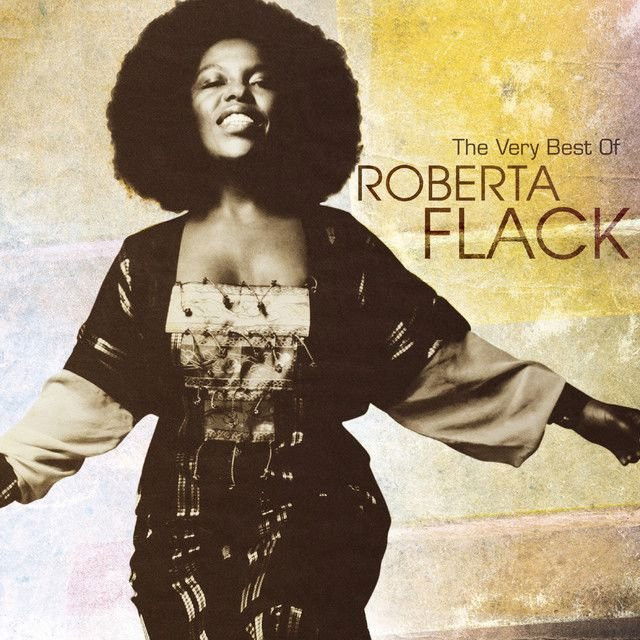
Where Is the Love by Roberta Flack
The meaning of Where Is the Love Roberta Flack becomes clearer when listeners hear how calm the song sounds even while its story hurts. Recorded by Roberta Flack and Donny Hathaway for their 1972 duet album, the track turns romantic confusion into a quiet, aching question. It is not about dramatic revenge. It is about waiting, doubting, and realizing a promise may have meant less than it seemed.
"Where Is the Love" - Roberta Flack
Where is the love? (Where is the love?)
Where is the love? (Where is the love?)
Loading lyrics...
Unable to load lyrics
We're unable to display the lyrics at this time. Please try again later.
According to Songfacts, the song was written by Ralph MacDonald and William Salter and ended up in the Flack-Hathaway sessions when they needed one more song. It appeared on Roberta Flack & Donny Hathaway in 1972 and became one of the duo’s signature hits. Research sources also credit Joel Dorn and Arif Mardin as producers, and note that the single reached No. 5 on the Billboard Hot 100, plus No. 1 on both the Easy Listening and R&B charts.
A breakup song built on uncertainty
At its core, this is a song about someone who was promised love after a breakup that never fully happened. The speaker believed they would be chosen, but the other person stayed emotionally tied to someone else. That is why the central question, Where is the love?
, feels less like curiosity and more like a quiet reckoning.
The verses sketch a simple but painful situation. One person said they did not love their current partner and would leave. Then nothing changed. The narrator is left sorting through mixed signals, wondering if the future they were promised was ever real.
Interpretation: The song’s emotional power comes from the gap between words and actions. It is not just about losing love. It is about realizing that love may have been promised too easily.
Watch the official Where Is the Love
music video
Why the duet changes the meaning
One of the most striking things about this song is that Flack and Hathaway are not really singing to each other. Songfacts points out that both singers seem to occupy the same emotional role: the abandoned person. That makes the duet unusually rich.
Instead of a lovers’ conversation, the record sounds like two versions of heartbreak meeting in the same space. Their voices suggest that this kind of disappointment is not tied to one gender or one relationship. Both can feel misled. Both can wait for something that never arrives.
Two voices, one wound
When the lyric mentions someone else’s love
, the idea lands hard because it reveals the real triangle at the center of the song. The narrator is not fighting with an ex. They are trapped on the outside of a bond that was never fully broken.
That detail keeps the song from being a simple accusation. The narrator hurts, but they also seem to understand the situation slowly unfolding in front of them.
The key lines and what they reveal
Several short phrases carry the whole story. The promise of soon as you were free
introduces hope. Then all mine
and the end of time
show how absolute that promise sounded. By the time the song asks whether it was it just a lie?
, trust has already collapsed.
Here, the writing by MacDonald and Salter is very efficient. They do not need many details. A few plainspoken questions do the work. The language is direct enough for anyone to understand, but specific enough to feel personal.
Don't leave me hangin' on
to promises
That brief plea captures the song’s deepest pain. The narrator is not asking for romance anymore. They are asking for honesty.
How the sound carries the heartbreak
The arrangement matters as much as the lyric. This is a soul song, but it also has the polish of easy listening, a blend reflected in how it charted in 1972. The tempo is gentle, the groove is controlled, and the instrumentation stays soft enough to leave room for the vocals.
Flack and Hathaway were both masters of emotional restraint. Rather than oversinging, they let the sadness sit in the phrasing. Their harmonies do not explode; they lean. That creates a mature kind of heartbreak, one based on disappointment instead of chaos.
Interpretation: The smooth production makes the narrator sound worn down, not impulsive. That is why the song still feels believable. It presents heartbreak as something people live with quietly.
Why it lasted beyond 1972
The song’s success was not accidental. Research sources note that it won the Grammy for Best Pop Performance by a Duo or Group with Vocals, and many later artists recorded it. Its appeal comes from how universal the situation is: someone says they are ready to love, but emotionally they are still somewhere else.
It also helped that Flack and Hathaway had a rare musical connection. Songfacts notes that they were friends who both attended Howard University, and that chemistry gives the recording warmth even when the subject is painful. Listeners hear comfort and hurt at the same time.
Final takeaway on its meaning
The meaning of Where Is the Love Roberta Flack is not hidden behind symbols or complicated poetry. It lives in a simple emotional truth: promises mean little when actions never follow. The song captures the moment when hope turns into doubt, and doubt turns into acceptance.
That is why the title question never really gets an answer. The absence is the answer.
Disclaimer: This interpretation is based on the lyrics, performance, and documented song history. As with any song, listeners may hear meanings that differ from this reading.








