
Why 'Take a Back Road' Feels So Free
The meaning of Take a Back Road Rodney Atkins starts with a simple scene: a person stuck in ugly traffic who suddenly wants out. But the song does more than complain about the highway. It turns a country drive into a picture of freedom, peace, romance, and emotional reset.
"Take a Back Road" - Rodney Atkins
Horns a honkin', I've about had it I'm lookin' for an exit sign
Gotta get outta here, get it all off my mind
Loading lyrics...
Unable to load lyrics
We're unable to display the lyrics at this time. Please try again later.
Released in 2011 as the lead single from Atkins' album Take a Back Road, the song became a major hit, reaching No. 1 on Billboard's Hot Country Songs chart and later earning multi-platinum certification in the U.S. Those facts help explain why it still feels familiar: it captured a common American fantasy of leaving pressure behind and finding themselves again on a slower road.
Stuck in Traffic, Searching for Air
The song opens in frustration. The narrator is boxed in by modern life, surrounded by lanes, horns, and gridlock. That setting matters because the interstate stands for speed, noise, and a routine they no longer want.
Then a song on the radio changes everything. The mention of George Strait from 1982 is not random. It connects the narrator to an older kind of country feeling, one tied to memory, ease, and authenticity. Instead of pushing forward harder, they want to turn away.
That is the core emotional move in the song: pressure gives way to release. When they sing about wanting to take a back road
and take the long way home
, the idea is not just travel. It is choosing relief over urgency.
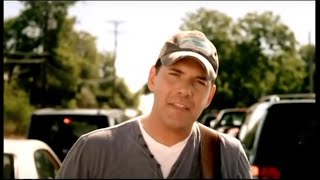
Watch the official Take a Back Road
music video
The Chorus Turns Escape Into Meaning
The chorus is catchy, but its meaning is deeper than a road-trip hook. The phrase gravel in my travel
says a lot in a few words. It turns rough ground into something welcome, even healing.
Instead of polished convenience, the narrator wants texture, dust, curves, and time. The repeated wish to unwind, unravel
shows that they are not simply bored. They are emotionally knotted up and need space to loosen.
Interpretation: this is why the song hits harder than a basic summer single. The back road is a symbol for a mental shift. It means slowing down enough to hear themselves think and feel whole again.
Country Images That Build the Theme
The verses use familiar rural details on purpose. Fields of corn and cotton, a tractor instead of a traffic jam, and a two-lane road all help define what the narrator misses. These are not just scenic props. They represent a life that feels grounded and human.
There is also a romantic streak running through the song. The desire to grab my honey
and head down the road suggests closeness and privacy, not just escape from work. The "shady spot" imagery adds flirtation, but it also fits the larger point: the back road is where life feels personal again.
Interpretation: some listeners may hear this mainly as a fun country flirtation song. That reading is fair. But the repeated line about getting right with the soul pushes it beyond romance. It frames the drive as emotional repair.
Why the Sound Matters So Much
One reason the song works is its musical design. It was written by Rhett Akins and Luke Laird, and produced by Ted Hewitt and Rodney Atkins. Background reports note that Laird had a drum loop idea early in the writing process, which helps explain the track's steady, rolling pulse.
That groove is important. The song does not sound dreamy or sleepy. It moves with purpose, like tires on uneven ground. The drums and guitars give it forward motion, while Atkins' vocal stays plainspoken and friendly rather than overly dramatic.
That balance mirrors the lyric's message. The narrator is stressed, but the song itself already sounds like release. It feels open-road ready, with enough energy for radio and enough warmth to sell the song's promise of calm.
Rodney Atkins and the Song's Bigger Message
Atkins himself suggested the song had more depth than it first seemed. In comments reported by Songfacts, he said it kept growing on him and felt like a "life song," even calling it a "state of mind." That idea fits the lyric closely.
So the meaning of Take a Back Road Rodney Atkins is not only about rural pride or anti-city feeling. It is about recovery. Whether someone is in Nashville, Detroit, or just mentally overwhelmed, the song offers a path away from noise and back toward perspective.
Critics heard that too, even when they differed on execution. Roughstock praised its escape theme, while Country Universe was cooler on its predictability. Still, the song's popularity suggests many listeners did not mind the familiar setup. Familiarity may be the point: almost everyone knows what it feels like to want off the main road.
Why It Still Connects
The song remains effective because its image is so clear. A back road is not just geography. It is a choice to reject constant pressure, at least for a while. In a fast culture, that idea stays appealing.
It also speaks to a classic country theme: simple places can restore complicated people. By the end, the road becomes almost spiritual. The narrator is not trying to arrive somewhere impressive. They are trying to feel like themselves again.
Final Turn
In the end, "Take a Back Road" is about escape, but not empty escape. It imagines a route back to calm, love, memory, and soul-level balance. That is why the song feels bigger than its easygoing chorus suggests.
Disclaimer: This interpretation blends documented facts about the song with informed reading of its lyrics, themes, and sound. Meaning can vary from listener to listener.








