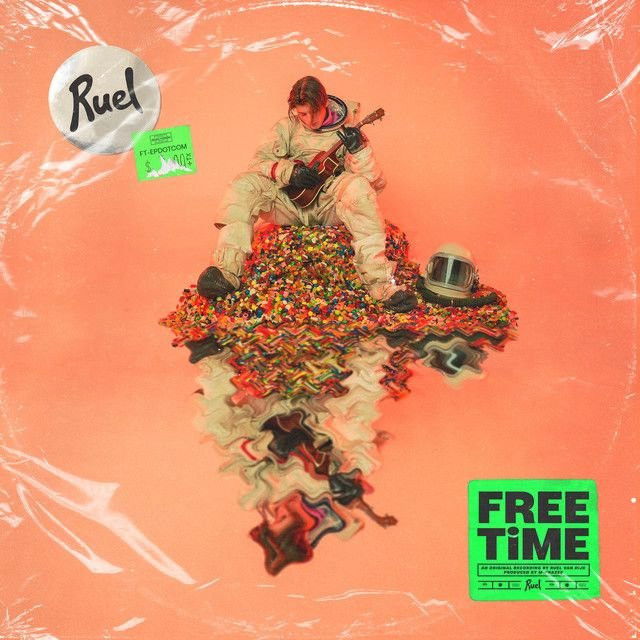
Free Time by Ruel: A Breakup Song About Empty Hours
The meaning of Free Time Ruel comes down to a painful idea: getting what they thought they wanted, then realizing it feels hollow. On the surface, the song is about a person stuck at home after a breakup. Under that, it is about how freedom can turn into loneliness when daily life used to revolve around someone else.
"Free Time" - Ruel
Eyes are shut, sleep too much
Probably should get up, but what's the rush?
Loading lyrics...
Unable to load lyrics
We're unable to display the lyrics at this time. Please try again later.
Ruel builds that feeling with simple details instead of big drama. The singer is not raging or begging at first. They are drifting. That is what makes the song relatable. It captures the boring, slow part of heartbreak, when nothing is urgent but everything feels off.
The Real Subject Is Not Time, but Absence
At the center of the song, time itself becomes the problem. The narrator has hours to fill, but no real desire to fill them. Early images like sleeping in, ignoring their appearance, and sitting around the house show a person who has lost their rhythm.
When they mention sleep too much
and not caring the way they once did, the song points to the emotional slump that often follows a breakup. These are not just lazy habits. They are signs that someone no longer has the same reason to get moving.
That is why the title matters. “Free time” usually sounds positive. It suggests relaxation, choice, and independence. But here, the phrase turns bitter. The song flips freedom into a reminder of who is missing.

Watch the official Free Time
music video
How the Verses Turn Small Moments Into Heartbreak
One of the strongest things about the writing is how ordinary it is. The narrator could make food, watch TV, or go outside. They list normal options, but each one lands flat. The point is not that they have nothing to do. It is that nothing feels worth doing alone.
This creates a believable emotional picture. Instead of saying “I am devastated,” the song shows someone watching the clock
and scrolling aimlessly. Those actions say a lot. They suggest waiting, restlessness, and a mind that keeps circling back to the same person.
Interpretation: the song treats boredom as a form of grief. Every empty minute gives the breakup more room to echo. That makes the chorus hit harder, because the problem is not simply missing a partner. It is missing the life built around them.
Why the Chorus Feels So Sharp
The chorus explains the song’s emotional twist. Friends say they will be fine, but their free time proves otherwise. Advice from others sounds neat and reassuring. Their real experience is messier.
The key phrase is lost in my phone
. It suggests distraction, but also failed distraction. The phone is there to fill the silence, yet it only shows how alone they feel. In modern breakup songs, that image is especially effective because it mirrors how many people actually cope: by scrolling, checking, waiting, and avoiding.
The chorus also remembers the stupid shit
they used to do together. That line matters because it does not romanticize the relationship as perfect. They miss the silly, casual parts. In many real relationships, those small routines are what leave the biggest hole.
All of my friends said, "Don't worry
I promise you'll be fine"
This short moment captures the gap between public comfort and private pain. Other people hear a breakup and offer a script. The narrator lives the much slower reality.
“Freedom” Is the Song’s Most Important Twist
The bridge changes the meaning of the whole track. When the narrator admits they thought freedom was all they needed, they reveal a deeper mistake. They once believed they could handle distance, independence, or even the relationship ending. Now they know they were wrong.
That confession keeps the song from being only about sadness. It becomes a story about self-knowledge. They are not just lonely; they are confronting a false idea of themselves. They believed they would be cool with the separation. Instead, they feel crazy since you're gone
.
Interpretation: this is why the song lands with younger listeners in particular. It describes the moment when confidence collapses and a person has to admit they were less emotionally prepared than they thought.
How the Production Supports the Meaning
Ruel is known for mixing pop clarity with soulful vocal delivery, a style heard across releases documented on his official channels and label materials. In “Free Time,” the production stays light and roomy, which suits the subject. There is enough groove to keep the song moving, but not enough weight to make it feel triumphant.
That balance matters. A brighter pop arrangement could have made the song feel carefree. Instead, the track has an easy, midtempo flow that leaves space around the vocal. The result feels suspended, almost like the day is drifting by without shape.
Their vocal performance also adds to the meaning of Free Time Ruel. They sound conversational more than theatrical. That restraint makes the emotion believable. Rather than turning heartbreak into a huge spectacle, they let the emptiness speak.
Why the Voice Note Ending Changes Everything
The closing spoken message is the most revealing part of the song. After all the waiting and avoiding, the narrator finally reaches out. The rambling, awkward tone suggests someone trying to sound casual while obviously still attached.
This ending reframes the whole track. It shows that beneath the boredom is hope. They are not fully moving on. They still want contact, and maybe even a way back in.
Interpretation: the voicemail can be heard in two ways:
- as a sincere attempt to reconnect
- as proof they are stuck and cannot let go
Both readings fit the song. That ambiguity makes it feel real.
The Lasting Meaning of Free Time Ruel
In the end, the meaning of Free Time Ruel is about how absence changes ordinary life. The song is not built on dramatic heartbreak language. It is built on dead hours, half-finished thoughts, and routines that no longer work.
That is why it connects. Many breakup songs focus on the breakup itself. “Free Time” focuses on the days after, when a person learns that space is not always freedom.
Disclaimer: This interpretation is based on the released lyrics, performance, and publicly available song credits. As with any song, listeners may hear meanings that differ from this reading.









