Welcome To New York by Ryan Adams
A familiar city, heard in a different light
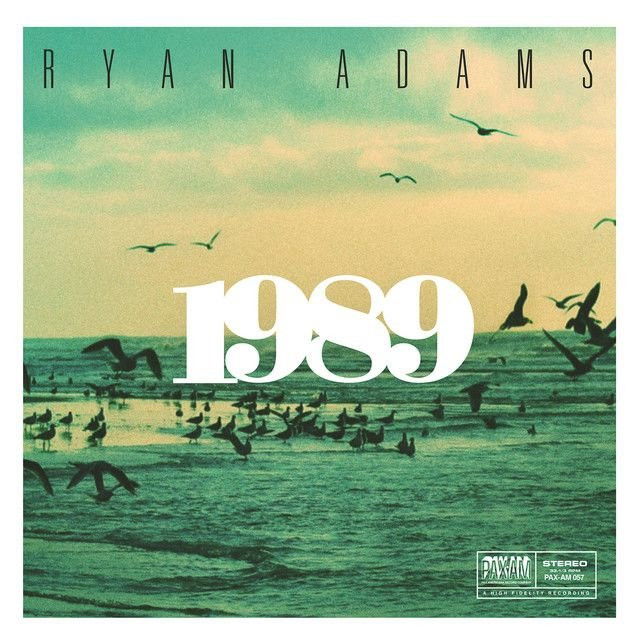
The meaning of Welcome To New York Ryan Adams starts with a key fact: this is not the original song. Taylor Swift released "Welcome to New York" in 2014 as the opening track to 1989, inspired by her move to the city and what she called its wide-eyed promise in a Rolling Stone interview. A year later, Ryan Adams recorded a full-song cover for his track-by-track album 1989.
"Welcome To New York" - Ryan Adams
Kaleidoscope of loud, heartbeats under coats
Everybody here wanted somethin' more
Loading lyrics...
Unable to load lyrics
We're unable to display the lyrics at this time. Please try again later.
That switch matters. Swift's version is bright synth-pop, built from glossy keyboards and drum programming. Adams turns it into a slower, rootsy rock ballad with acoustic guitar, piano, drums, and rising strings. The words stay largely the same, but the emotional center shifts. In his hands, the song feels less like a tourist postcard and more like a person trying to believe in a fresh start.

Watch the official Welcome To New York
music video
What the song is really about
At its core, the song is about reinvention. It imagines New York as a place where people arrive carrying damage, ambition, and uncertainty, then try to become someone new. The city is not described in gritty detail. Instead, it is presented as an idea: freedom, motion, and possibility.
That is why lines about crowds, noise, and brightness matter. The opening image of a village glowing and a kaleidoscope of loud
suggests sensory overload, but not fear. The city is busy, colorful, and full of people chasing a life they have not found yet. When the lyric says somethin' more
, it points to hunger for change.
Interpretation: Adams emphasizes the longing inside that idea. His voice sounds weathered rather than dazzled, so the search for a new life feels harder won. The city is still welcoming, but the welcome now carries doubt, memory, and effort.
The emotional journey inside the verses
The song moves through a simple but effective arc:
- They enter a city full of motion and desire.
- They leave old pain behind.
- They discover that identity can change.
- They decide the risk is worth it.
The middle verse is especially important. The image of arriving and dropping bags on an apartment floor captures the first real moment of relocation. Then the song says broken hearts were put away, almost like placing old hurt in storage. That does not mean pain disappears. It means they are trying to make room for a different future.
Another crucial idea comes in the phrase someone else before
. The song suggests that New York attracts people in transition. Many arrive after heartbreak, failure, or boredom. The city becomes a stage for self-editing.
You can want who you want
Boys and boys and girls and girls
This is one of the song's clearest statements. In context, it celebrates personal freedom and public openness. Critics and listeners often read it as support for LGBT visibility, and that reading is well grounded in the lyric's plain meaning, as noted in coverage of the song's reception on Wikipedia.
Why Ryan Adams changes the meaning
From neon excitement to human ache
Swift's original uses a Juno-106 synth, programmed drums, and layered vocals to create a clean, modern rush. Producer and co-writer Ryan Tedder described the keyboard sound as "very 1980s." That production makes the chorus feel immediate and communal, like stepping into flashing streets.
Adams strips away that shine. His version leans on guitar strums, piano, and strings that slowly build. Reviews at the time often described his singing as aching or tight-jawed. Whether listeners love that or not, the result is clear: the song sounds older, sadder, and more reflective.
Because of that, the repeated hook It's been waitin' for you
changes meaning. In the pop version, it sounds like excitement. In Adams's cover, it sounds almost like reassurance offered to someone fragile. The city becomes less a party and more a promise.
The chorus as self-persuasion
The title phrase works as more than a greeting. It is also a mantra. Repeating it helps the narrator believe they belong. That matters in Adams's reading because his performance never sounds fully settled. They seem to sing toward confidence rather than from it.
Interpretation: This is why his version can feel moving even to listeners who find the lyric simple. The cover highlights the gap between hope and certainty.
Themes, symbols, and the New York debate
A few motifs carry the song's meaning:
- Lights: possibility without danger, seen in
lights are so bright
. - Crowds: anonymity and reinvention.
- Bags and apartments: the practical reality of starting over.
- Soundtrack: a new inner life, not just a new zip code.
The song has also faced criticism. Some reviewers argued Swift's original describes an idealized New York, not the harder social and economic reality of the city. That is a fair context point. But it also helps define the song's purpose. It is not journalism. It is a snapshot of emotional arrival.
Adams's cover partly softens that criticism because his arrangement adds weariness. He makes the city sound less polished and more earned. Even so, the song still deals more in feeling than realism.
Final take on the meaning of Welcome To New York Ryan Adams
The meaning of Welcome To New York Ryan Adams is about beginning again while still carrying the past. The lyric sees New York as a place where people test new versions of themselves, and Adams's arrangement underlines how brave that can feel.
His cover does not rewrite the song's message. It reframes it. What began as a bright pop salute to freedom becomes a rougher meditation on hope after disappointment. The welcome is still there. It just sounds like it comes after a long trip.
Interpretation disclaimer: song meanings are never fully fixed. This reading separates documented context from interpretation, and other listeners may hear the song differently.








