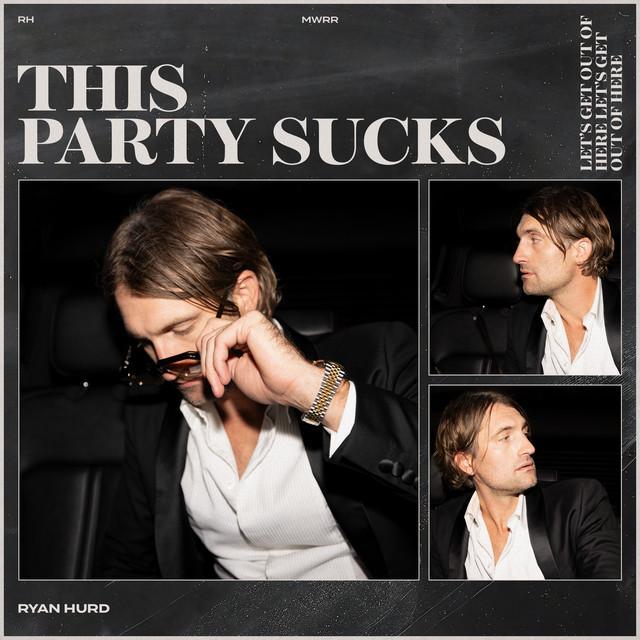
This Party Sucks by Ryan Hurd
Why This Song Feels So Instantly Familiar
The meaning of This Party Sucks Ryan Hurd starts with a simple scene: two people are stuck at a gathering they no longer enjoy. But the song is not really about hating one bad night out. It is about outgrowing a lifestyle, feeling disconnected from the room, and realizing that one person matters more than the whole event.
"This Party Sucks" - Ryan Hurd
We even showed up late
I nod my head and smile
Loading lyrics...
Unable to load lyrics
We're unable to display the lyrics at this time. Please try again later.
Ryan Hurd builds the story around social boredom and romantic focus. The narrator shows up, tries to be polite, and goes through the motions. Still, they cannot stop thinking about leaving with the person beside them. When the song says This party sucks
, it works as both a complaint and a turning point. They are admitting that the old thrills do not work anymore.
That is why the hook lands. It is less rebellion than clarity.
A Love Song Hidden Inside a Party Song
On the surface, this is a bar-and-party country song. Underneath, it is a relationship song. The room is full of people, but emotionally the song narrows until only two people exist.
The verses show that split very clearly. The narrator smiles, nods, and makes conversation, yet none of it feels real. They are physically present, but mentally gone. Instead, they want to vanish into private time with their partner. The repeated idea of Let's get out of here
turns escape into intimacy.
Interpretation: The party is a symbol for social expectations. The relationship is the place where they can finally be honest.
That reading fits the details. The narrator does not attack everyone in the room in a cruel way. In fact, they even admit, It's not them, it's us
. That line matters because it shifts the song from blame to self-awareness. They know the problem is not only the crowd. They have changed.
How the Lyrics Trace Emotional Burnout
From polite discomfort to full exit mode
The song moves in a clean emotional line:
- They arrive already disengaged.
- They try to play along with small talk.
- They focus on their partner instead of the room.
- They decide leaving is the only real answer.
That structure helps explain why the chorus feels so satisfying. The verses are cramped and awkward, full of social pressure. The chorus opens up with motion and relief.
One especially sharp detail is the line about small talk conversation
. That phrase captures the song's central frustration: not drama, just emptiness. Nothing is wrong enough to make a scene, but everything feels fake enough to make staying unbearable.
Another strong detail is the mention of the dress. The narrator notices how good their partner looks, which adds flirtation, but it also reinforces the theme. Their attention is not on the party, the drinks, or old friends. It is locked onto one person.
Pull the car around
just disappear
Those lines condense the fantasy of the whole song. The goal is not a better party. The goal is freedom.
The Chorus Turns Boredom Into Romance
A weaker song might have stayed at the level of complaint. This one improves because the chorus converts irritation into desire. The narrator does not just want silence; they want escape with someone.
That distinction is the key to the meaning of This Party Sucks Ryan Hurd. The song says that boredom becomes bearable, even useful, when it reveals what they truly want. The bad party acts like a test. It shows where their heart is.
There is also a little humor in the way the song frames adult social life. The narrator sounds tired of expected greetings, tired of pretending to care, and tired of waiting for an acceptable time to leave. The line about it feeling much longer than an hour turns that boredom into something almost comic.
Ryan Hurd's Context Makes the Song Ring True
Hurd has built much of his career around modern country songs that mix sharp conversational writing with melodic polish. He first broke through as a songwriter before releasing his own material, including the album Pelago. That background helps explain why this track feels so direct and singable.
The song was written by Brinley Addington, David Garcia, Ryan Beaver, and Ryan Hurd. Those writers understand how to make everyday speech feel catchy. Nothing here sounds overly poetic, and that is part of the appeal. The language is casual because the emotion is immediate.
Production-wise, the track leans into contemporary country-pop. The beat is steady, the arrangement is clean, and the chorus is built to feel like a release. Hurd's vocal delivery is relaxed rather than explosive, which suits the theme. They do not sound heartbroken. They sound done.
That matters because the song is about emotional weariness, not catastrophe.
Sound, Setting, and the Feeling of Growing Up
The production mirrors the lyric's emotional split. The verses feel conversational and boxed in, while the chorus stretches outward with more lift. That musical shape supports the fantasy of escape.
Interpretation: The song can also be heard as a “growing up” anthem. The narrator once loved this scene but now feels distant from it. Even the drink reference suggests changing taste and changing identity. What used to signal fun now feels stale.
In that sense, the party is not only a place. It is an old version of the self.
This idea also connects with how listeners received the song. Fans of country-pop often respond to songs that turn ordinary moments into relationship milestones. A boring party is common. Realizing they would rather leave with one person than stay for the crowd feels like adulthood in one decision.
Final Take on the Song's Message
The meaning of This Party Sucks Ryan Hurd is ultimately about choosing connection over performance. The narrator is tired of social rituals, tired of pretending to enjoy the scene, and newly aware that love offers a better kind of excitement.
What sounds like a complaint song is really a commitment song in disguise. The party fails, but the relationship passes the test.
Disclaimer: This interpretation is based on the released lyrics, recording, and available artist context. As with any song, listeners may hear different meanings.







