Mother's Daughter by Santana: A Bitter Breakup Twist
The meaning of Mother's Daughter Santana comes down to anger, betrayal, and one final insult. On the surface, it is a breakup song about a man who feels used and disrespected. By the end, though, the lyric reveals a cruel twist: he claims he has moved on with someone else, and that someone may be the woman’s own mother. That surprise turns a standard split into something nastier, more mocking, and more unforgettable.
"Mother's Daughter" - Santana
Your stupid game is about to end
You played it out, thought you had it made
Loading lyrics...
Unable to load lyrics
We're unable to display the lyrics at this time. Please try again later.
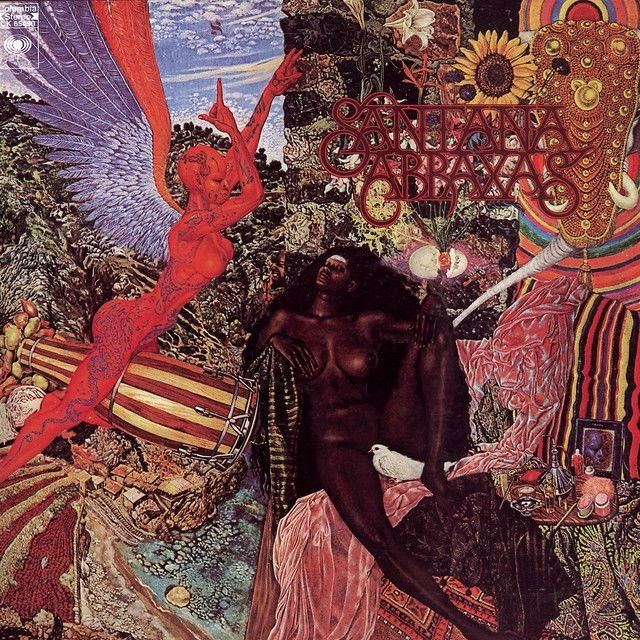
The song appeared on Santana’s Abraxas, the band’s 1970 breakthrough follow-up to their debut. Gregg Rolie wrote it alone, which matters because many of his songs from that era leaned toward hurt, loneliness, and emotional fallout. In “Mother’s Daughter,” those feelings are not soft or sad. They come out as sarcasm and revenge.
The Core Story Hiding in Plain Sight
Most of the song is easy to follow. The narrator tells a woman he is done with her games. Early lines like got no time
and stupid game
frame the relationship as exhausting rather than romantic. They do not sound heartbroken in a tender way. They sound fed up.
He then describes leaving her behind, both emotionally and physically. When he says she is still stuck and has not changed, he paints her as someone frozen in place. That gives the song a theme of emotional immaturity. In his view, she cannot move forward, so he has to.
Interpretation: This is not only about a failed relationship. It is also about power. The narrator wants the last word, and he wants to prove he is no longer under her control.

Watch the official Mother's Daughter
music video
How the Twist Changes the Meaning
The final verse is what gives the song its title and its sting. The narrator says he has found another woman who treats him better. Then he lands the key blow with your mother ain't so bad
. That line is not subtle. It suggests either an affair, a flirtation, or at minimum a deliberate attempt to humiliate his ex.
This twist changes the whole song. Before that moment, listeners may hear a familiar rock breakup: one person leaves, one person blames. After it, the song becomes a taunt. The title “Mother’s Daughter” suddenly sounds less like a family reference and more like a jab. He is no longer just criticizing the daughter. He is comparing her to her mother and saying the mother comes out better.
I've got a woman that's treatin' me better
Your mother ain't so bad
Paraphrased, his message is brutal: he has replaced her, and the replacement carries a family connection that makes the insult cut deeper.
Verse by Verse: A Map of the Conflict
The song moves in a straight line, which helps its punch land.
- First, he says he is done with manipulation.
- Next, he describes her as stuck in her own corner, unable to grow.
- Then, he announces that he is leaving before wasting more time.
- Finally, he reveals the new relationship and turns the breakup into revenge.
That structure makes the lyric feel like a confrontation rather than a confession. There is little doubt or self-questioning. Even the phrase find her way
gets undercut by his lack of sympathy. He hears her struggle but offers no rescue.
What the Song Says About Gender and Cruelty
A lot of classic rock breakup songs trade in swagger, but “Mother’s Daughter” stands out because of how mean it is. The narrator does not simply walk away. He wants to wound. That is why the song still gets remembered: the emotional move is extreme.
Interpretation: Some listeners may hear the ending as dark humor rather than literal fact. Rock lyrics often exaggerate to make a point. In that reading, the mother line works as the ultimate insult, whether or not the affair actually happened.
Another reading takes it more literally. Songfacts summarizes it as a song about a man tired of mistreatment, with the ending implying an affair with the girlfriend’s mother. That reading fits the text cleanly and explains why the title is so specific.
Why the Music Feels So Sharp
Santana are often associated with fluid guitar, Afro-Latin percussion, and spiritual groove. “Mother’s Daughter” uses that band chemistry, but the emotional center is tougher and more aggressive than dreamy. The rhythm section keeps the track driving forward, while the guitars and organ create pressure instead of comfort.
Rolie’s vocal delivery also matters. He sings with bite, which keeps the words from sounding theatrical or joking. The band does not decorate the message with sweetness. They push it along with a clipped, muscular feel that matches the narrator’s impatience.
That helps explain the meaning of Mother's Daughter Santana on a sonic level. The arrangement does not ask listeners to pity anyone. It feels like motion, exit, and confrontation.
Santana Context Matters Here
On Abraxas, Santana balanced instrumentals, covers, and originals with very different moods. The album is famous for expansive tracks and crossover hits, as documented by AllMusic. “Mother’s Daughter” adds another side of the band: tight, bitter, and story-driven.
It also reflects Rolie’s songwriting habits in Santana’s early years. His lyrics often centered on damaged relationships and emotional isolation. Here, that tendency hardens into ridicule. Instead of asking what went wrong, he acts like he already knows and has stopped caring.
Final Take on the Song's Meaning
So, what is the meaning of Mother's Daughter Santana? Most clearly, it is a revenge breakup song told by a narrator who feels disrespected and wants to strike back. Its famous twist turns personal pain into humiliation, making the song less about healing and more about winning the argument.
That edge is exactly why the track lasts. It takes a common rock theme, being treated badly, and pushes it toward a shocking final image. Whether listeners hear it as literal cheating, exaggerated mockery, or both, the song’s point is the same: this breakup is not peaceful, and the narrator wants everyone to know it.
Disclaimer: This interpretation is based on the lyrics, available song history, and common critical readings. As with many songs, listeners may reasonably hear different meanings in the details.







