
No Fear by Sean Paul, Damian Marley, Nicky Jam
The meaning of No Fear Sean Paul, Damian Marley, Nicky Jam centers on survival, pride, and moral clarity. The song is not simply about being brave in a general way. They frame courage as something shaped by where they come from: hard streets, pressure, inequality, and the need to keep going anyway.
"No Fear" - Sean Paul, Damian Marley, Nicky Jam
Bidi, bang, bang bang bang
All who nuh wan' hear mi talk cyaan stop mi career
Loading lyrics...
Unable to load lyrics
We're unable to display the lyrics at this time. Please try again later.
Across the verses, each artist connects fearlessness to community. They are not bragging for sport. They are saying that struggle teaches discipline, and that real strength comes from endurance, loyalty, and self-respect.
A Song About Origin, Pressure, and Pride
The track’s biggest idea appears in the repeated question ¿De dónde vengo yo?
Before and after that line, the song keeps returning to the same point: identity comes from place. They ask where they come from not for pity, but to explain their toughness, values, and worldview.
Damian Marley’s opening verse roots that message in political and street reality. He pushes back against people who want to silence him, then says survival requires standing firm. When he mentions no fear
, the idea is earned, not glamorous. In this song, fearlessness is a duty.
Interpretation: the song treats courage as collective memory. They are carrying the lessons of their neighborhoods, families, and cultures into the present.
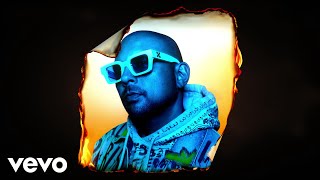
Watch the official No Fear
music video
How the Verses Build the Message
Each artist adds a different layer to the song’s meaning.
Damian Marley: resistance in public life
Damian’s verse is the most openly social. He talks about pressure from poverty, violence, and unequal systems. Lines about police pursuit and gunfire paint an environment where danger feels ordinary. His point is blunt: some people live comfortably while others are forced to fight for basic dignity.
A short phrase like blood, sweat and tears
sums up that reality. The song presents hardship as daily labor, not as a dramatic moment.
Sean Paul: toughness as survival code
Sean Paul’s presence strengthens the track’s dancehall energy, but the message stays serious. His style often balances party rhythms with streetwise confidence, and here that confidence fits the theme. He helps turn the hook into a statement of resilience.
Rather than sounding defeated, the record moves with force. That matters. They refuse to let harsh conditions define them only as victims.
Nicky Jam: success without values means little
Nicky Jam shifts the focus from physical survival to moral emptiness. He questions the value of wealth without kindness, good intentions, or real friends. His verse argues that money and luxury cars cannot replace human connection.
That is why phrases about mansions and status symbols do not feel celebratory. They are warnings. Someone can have everything on paper and still have very little in life.
The Chorus Turns Hardship Into a Vow
The chorus is the emotional center of the song. It pairs struggle with commitment through phrases like got to be prepared
and I will forever care
. In plain terms, they are saying that hardship has trained them, and that they still remain loyal to their land and people.
Blood, sweat and tears
We don't got no fear
Got to be prepared
This short passage matters because it transforms suffering into purpose. The song does not deny pain. It says pain can produce resolve.
Interpretation: the chorus works almost like an oath. They are promising not to forget where they come from, even if success changes their circumstances.
Sound, Rhythm, and Why the Production Matters
The production supports the song’s meaning by blending dancehall, reggae, and Latin urban elements. That mix mirrors the artist lineup itself: Sean Paul and Damian Marley bring Jamaican traditions, while Nicky Jam adds a strong Spanish-language reggaeton presence. The result is cross-Caribbean rather than narrow or local.
The beat is energetic, but not carefree. Heavy percussion and a steady pulse make the song feel like movement under pressure. The rhythm pushes forward, which matches a lyric about persistence. Even when the words describe danger or poverty, the music sounds active and upright.
That contrast is important. A softer arrangement might have made the song feel defeated. Instead, the production gives the message backbone.
For artist context, Sean Paul is widely known for global dancehall crossover success, while Damian Marley has long mixed reggae with social commentary; their official artist pages, Sean Paul and Damian Marley, help show those backgrounds. Nicky Jam’s verse fits his broader style of mixing street reflection with accessible hooks.
A Social Song, Not Just a Tough Song
One reason the meaning of No Fear Sean Paul, Damian Marley, Nicky Jam connects is that the song never reduces strength to ego. It criticizes unfair conditions and shallow ideas of success at the same time.
That gives the track two linked themes:
- courage under pressure
- loyalty to home and community
- distrust of empty wealth
- respect for real relationships
When they say people must be ready, they mean emotionally and socially as much as physically. The song suggests that surviving difficult places requires alertness, inner discipline, and a sense of responsibility.
Final Reading: Fearlessness With a Conscience
At its core, "No Fear" is about people shaped by struggle who refuse to let struggle erase their humanity. They speak from experience, but they also judge the world around them. Violence is real, poverty is real, and status can be hollow.
The lasting message is simple: courage means more when it protects values, not just pride. That is what makes the song feel bigger than a slogan.
Disclaimer: This interpretation is based on the lyrics, performance, and available artist context. As with any song, listeners may hear meanings that differ from this reading.







