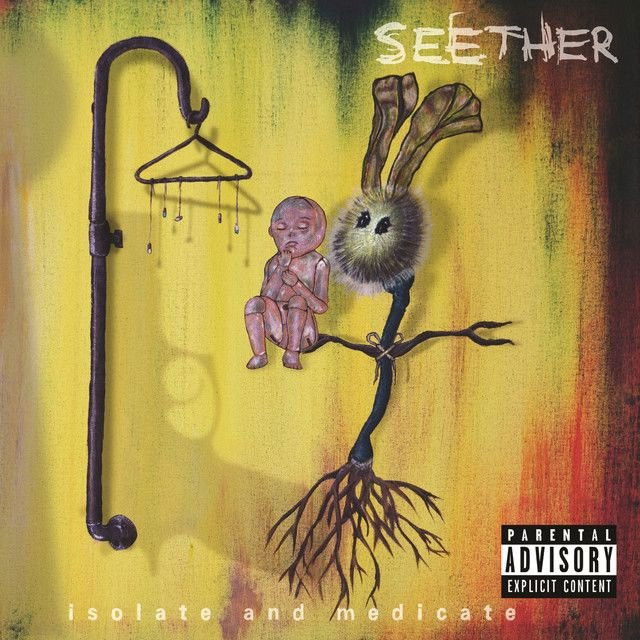
Same Damn Life by Seether
Seether’s “Same Damn Life” sounds sharp, catchy, and almost playful on first listen. But the meaning of Same Damn Life Seether becomes clearer when they dig into the words: this is a song about burnout, self-blame, and the feeling of being trapped in patterns that keep repeating.
"Same Damn Life" - Seether
Then pray for the rain to go away
I'm trying to forget I let us both down
Loading lyrics...
Unable to load lyrics
We're unable to display the lyrics at this time. Please try again later.
Released as the third single from Isolate and Medicate in 2014, the track began as a late-night idea Shaun Morgan said he was “screwing around with” before finishing it the next day, according to Songfacts. That origin matters, because the song carries both a loose, immediate hook and a deeper frustration underneath.
The Real Conflict Hiding in the Hook
At its core, the song presents a speaker stuck between blaming another person and blaming himself. The verses move through disappointment, regret, and emotional fatigue. When they mention trying to forget they let us both down
, the song admits shared damage, not just one-sided betrayal.
That makes the song more interesting than a standard breakup rant. Yes, there is anger aimed outward. The line about someone needing intervention
paints the other person as attention-seeking and unstable. But the speaker also confesses weakness, shame, and emotional collapse.
Interpretation: the song is not only about a failing relationship. It is also about how people replay their mistakes until those mistakes begin to define their identity.

Watch the official Same Damn Life
music video
A Chorus About Repetition, Not Memory Alone
The chorus is where the meaning of Same Damn Life Seether locks into place. The phrase reliving my whole damn life
suggests more than simple memory. It feels like forced repetition, as if old pain keeps returning in new forms.
Then the song pairs that with the same damn lie
. That shift matters. The problem is not just remembering the past; it is continuing to live inside false patterns in the present. The speaker knows something is broken, but still cannot break free.
Now I'm reliving my whole damn life
And it's a shame that I can't remember
This brief moment captures the song’s central contradiction. The speaker feels haunted by the past, yet cannot fully explain it. That confusion makes the track feel less like a clean narrative and more like a mental spiral.
Rain, Sun, Pain, and the Wish for Relief
The imagery is simple but effective. They move from rain to sun, from pain to relief, from cigarettes to prayer. None of these images are complicated on their own, yet together they show someone trying anything to get through emotional pressure.
Rain usually signals gloom, while sun stands for recovery. In this song, both feel temporary. Even when the speaker asks for things to improve, there is little confidence that change will last. The closing idea that nothing's forever
sounds comforting at first, but in context it feels uneasy. If pain ends, so do stability, love, and certainty.
Another striking image is the wish for an amulet
and a new sound
. That sounds like someone searching for protection, reinvention, or even superstition. Interpretation: these details suggest the speaker is desperate enough to try symbolic fixes, not just practical ones.
Shame, Punishment, and Self-Education
One of the strongest features of the lyric is how often it turns inward. The speaker says he feels small, worn down, and sentenced to endure the consequences of what happened. Words like detention and education frame suffering as a lesson.
That gives the song a harsh emotional edge. Instead of healing, the speaker seems stuck in a cycle of punishment. He is not only hurt; he is studying his own collapse in real time.
This is why the song resonates beyond romance. Many listeners hear a broader crisis: the frustration of repeating destructive habits, knowing better, and still ending up in the same place. In that reading, the relationship is just one example of a larger life pattern.
How Seether’s Sound Carries the Message
Musically, “Same Damn Life” balances heaviness with a sly sense of bounce. Seether are known for post-grunge force, but this track leans into a tighter, hook-driven rock structure. The riff gives the song motion, while Shaun Morgan’s vocal delivery keeps the bitterness close to the surface.
That contrast is important. If the arrangement were slower and gloomier, the song might feel defeated. Instead, it feels restless. The upbeat push almost mocks the speaker’s misery, which fits a song about being trapped in familiar chaos.
There is also a layer of dark humor around the release. The official video places the band in old-age makeup at a retirement home performance, a concept Morgan developed with director Nathan Cox, as noted by Songfacts. That visual joke reinforces the title’s idea: life keeps looping until it becomes absurd.
A Few Plausible Readings
There is more than one way to hear the meaning of Same Damn Life Seether:
- Relationship reading: two people have damaged each other, and one person is trying to sort through anger and guilt.
- Addiction or compulsion reading: the repeated lies and need for intervention point to cycles of dependency and denial.
- Identity-crisis reading: the song captures the fear that a person’s worst habits are becoming their whole life.
All three fit the lyric. The song stays effective because it never over-explains itself.
Why the Song Still Connects
“Same Damn Life” lasts because it turns private frustration into a big, memorable hook. It speaks to the common fear that people do not just make mistakes—they repeat them until those mistakes feel permanent.
Seether give that fear a loud, catchy shape. Beneath the sarcasm and distortion, the song is really about shame, repetition, and the thin hope that painful cycles can end.
Interpretation disclaimer: song meaning is never fully fixed, and this reading is based on the lyrics, release context, and documented comments from the band rather than a single definitive explanation.









