Fair Game by Sia
Sia’s “Fair Game” is a relationship reckoning. Instead of celebrating control, the song admits that dominance has been a shield—and a trap. The heart of the meaning of Fair Game Sia is this: equality takes more courage than power plays.
"Fair Game" - Sia
'Cause you're a man, you're not a boy
You got some power
Loading lyrics...
Unable to load lyrics
We're unable to display the lyrics at this time. Please try again later.
Power Versus Surrender: The Core Tension
The narrator wants love that isn’t lopsided. They confess they’ve often steered relationships from a safe, superior distance, but now they’re trying to meet someone halfway. When they say You terrify me
, they aren’t calling the partner dangerous. They’re naming the fear of being seen and matched.
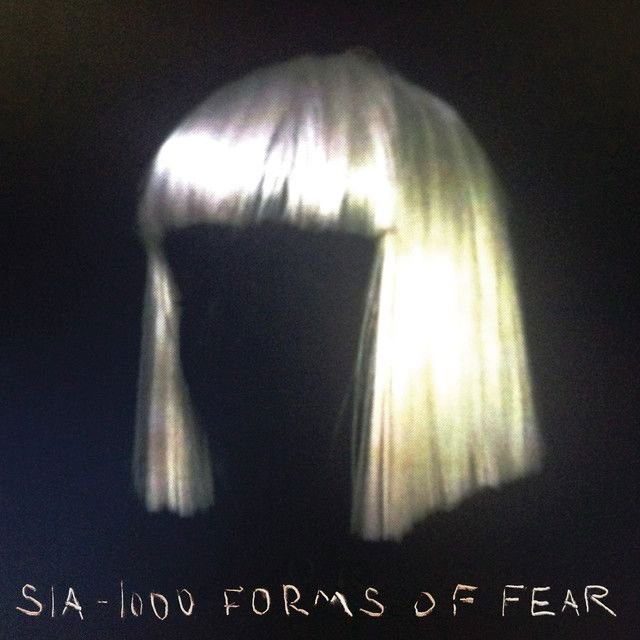
That shift drives the hook: they don’t want a win; they want a mirror. On Sia’s 2014 album 1000 Forms of Fear, the track stands out as a plea for mutual respect over clever defenses. Critics have described “Fair Game” as a minimalist, string-led piece about craving an equal partner—an idea that anchors its lyrics and its restrained sound.

Watch the official Fair Game
music video
The Voice in the Song and Their Fear
From the first verse, the narrator admits they’re used to control. They ask this person to take the reins
and even to watch me squirm
. That isn’t masochism so much as honesty: vulnerability feels like squirming when someone finally matches their strength.
They also admit a pattern of testing partners. They push the other person away, hoping for a reaction they can manage. When that doesn’t work, they face a deeper truth: history, not the partner, is the trigger. Even so, the narrator recognizes the fit, telling them, you’re just what I need
. It’s a turning point—fear acknowledged, closeness accepted.
How the Story Moves
Here’s the arc most listeners will hear:
- Opening admission: fear of a true equal and habits of control.
- Tests and retreat: the narrator pushes back to regain the “upper hand.”
- Reckoning: they see that old wounds, not the partner, drive the panic.
- Choice: they invite challenge—real intimacy—despite discomfort.
- Resolution: a promise to change the rules and relate as equals.
This sequence reframes the relationship from a contest to a practice. The song argues that fairness isn’t passive; it’s a deliberate step into risk.
The Chorus Rewrites the Rules
The chorus is both a confession and a goal. It admits a history of dominance and then points toward balance. The crux lands in two clean lines:
I’ve never played a fair game
I’ve always had the upper hand
Interpretation: winning doesn’t equal respect. The narrator decides that being clever isn’t the same as being close, and they want the latter. When they add I want to play a fair game
, it’s not a slogan—it’s a plan to unlearn control.
Symbols, Strings, and Studio Choices
“Fair Game” trades big drums for room to breathe: lightly pulsing strings, measured piano, and lots of space. That restraint, guided by producer Greg Kurstin, lets Sia move between guarded hush and ringing high notes. The production mirrors the theme—less armor, more honesty.
Lyrically, the song uses relationship-as-sport language (game, reins, upper hand) to frame power. Demands in the verse escalate like a dare—wallets, watches, even “rainbow”—but the exaggeration reads as self-mockery, exposing how control can look ridiculous when spoken aloud.
Context matters too. “Fair Game” appears on 1000 Forms of Fear, the 2014 album that paired huge pop craft with darker self-examination. Across that record, Sia confronted fear and recovery while maintaining radio-ready hooks. Within that canvas, this song’s minimalism and candor deepen its impact: it’s not spectacle—it’s a reset.
Other Readings and Final Takeaway
Interpretation: some may hear the narrator inviting a partner to take charge as a power swap. But the evidence points to balance, not dominance. Lines that welcome being challenged are quickly followed by calls for respect, suggesting mutual standing, not surrender.
Another view: the “terrify me” admission isn’t about the partner at all; it’s a line to the self. On this read, “Fair Game” becomes a personal vow to stop gaming love and accept uncertainty.
Either way, the meaning of Fair Game Sia centers on equality chosen over control. They name their fear, ask to be challenged, and choose fairness even when it feels like losing. That’s not defeat. It’s growth.
Disclaimer: Song meanings are subjective. This article presents one informed interpretation based on lyrics, context, and production.









