Why Sia's "Reaper" Turns Fear Into Defiance
The meaning of Reaper Sia comes down to a bold, simple idea: death may be near, but it does not get the final word today. Instead of treating mortality with pure dread, the song flips the mood. It sounds bright, even playful, while its lyrics stare down something terrifying.
"Reaper" - Sia
Hope that I've been found, 'fore I hit the ground
Sun rays out the corner of my eye, hey
Loading lyrics...
Unable to load lyrics
We're unable to display the lyrics at this time. Please try again later.
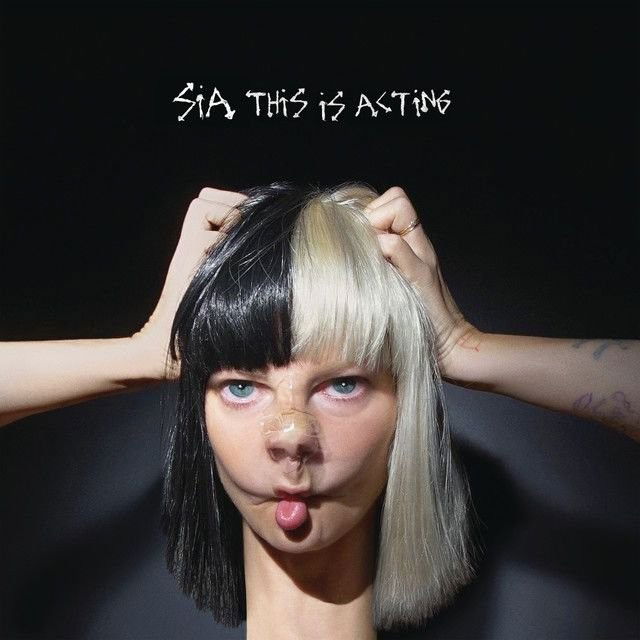
That contrast is the key to why "Reaper" stands out on This Is Acting. Released in 2016 as part of Sia's seventh studio album, the track was originally written during sessions tied to Rihanna's Anti era before Sia kept it for herself, according to widely reported release notes and credits (Wikipedia).
A Pop Song That Talks Back to Death
On the surface, the song is a conversation with the Grim Reaper. The speaker seems to have come close to the edge, then suddenly feels alive again. When they insist, not today
, the message is not subtle. They are rejecting the pull of darkness and choosing one more day of life.
That is why many critics framed the song as an anthem of survival. Vulture called it a brief, upbeat ode to cheating death, while other reviews highlighted its optimism (Wikipedia). The song does not deny fear. It turns fear into attitude.

Watch the official Reaper
music video
The Story Hidden Inside the Verses
The opening lines suggest collapse and rescue. The narrator remembers breaking down and almost falling completely. Then light enters the frame through sun rays
, which signals a shift from danger toward hope.
Soon after, the song gives the threat a face. The Reaper is described as lurking nearby, almost stalking the speaker. Phrases like darkest cloud
make that force feel heavy and close, as if despair has been following them for a long time.
Three emotional beats shape the song
- A near-loss of self: the narrator recalls a moment of weakness or crisis.
- A confrontation with death: the Reaper appears as a shadowy presence.
- A renewed claim on life: the speaker chooses pleasure, movement, and connection.
That final turn matters most. Instead of ending in trauma, the song moves into appetite. They want to live, dance, drink, love, and feel the world again.
What the Chorus Really Means
The chorus is the song's emotional engine. When the speaker says I'm feeling good
, it is not a casual mood update. It sounds like someone protecting a fragile but powerful recovery.
Here, the repeated refusal of the Reaper becomes a ritual of self-preservation. The line heaven's gates
hints that death once felt extremely close. But the repeated pushback says this is not surrender. It is a declaration that joy itself can be resistance.
You came to take me away
So close I was to heaven's gates
But no baby, not today
This is the one place where the song lays out its conflict most clearly: death approached, but life answered back.
Symbols of Life, Light, and Motion
Several images help explain the meaning of "Reaper" by Sia.
First, there is light. The early image of sunlight suggests a return to consciousness, safety, or grace. Second, there is weather. The Reaper arrives like a storm cloud, which makes death feel less like one event and more like a condition hanging over someone.
Third, there is motion. The later wish to dance in open air and feel the wind marks freedom. These images are important because they are ordinary pleasures. The song does not dream of grand achievement. It celebrates being alive enough to enjoy the body, the breeze, and other people.
Interpretation: listeners can hear the Reaper not only as literal death, but also as depression, burnout, addiction, or any force that makes a person feel hunted. The lyrics support that wider reading because the threat feels emotional as much as physical.
How the Production Supports the Message
Musically, "Reaper" is pop, but it does not feel lightweight. Reports on the song's credits list Kanye West, Noah Goldstein, 88-Keys, Dom $olo, Jesse Shatkin, and Jake Sinclair among the producers, with Shatkin also handling drums, programming, synths, and piano (Wikipedia).
That team helps explain the track's balance of bounce and weight. It begins relatively mellow, then builds into a bigger, dramatic chorus. The rhythm keeps things moving forward, while Sia's vocal delivery adds strain, urgency, and relief all at once.
This matters for interpretation. If the song had been slow and solemn, it might have felt tragic. Instead, the beat gives the refusal energy. The production makes survival sound active, not passive.
Artist Context Changes the Reading
"Reaper" also gains meaning from where it sits in Sia's career. This Is Acting was built largely from songs she originally wrote for other artists. In that context, "Reaper" feels almost theatrical by design: a strong character voice, a sharp central image, and a hook that lands fast.
Sia even said she saw it as a fun song more than a deeply personal one, as quoted in release coverage summarized by reference sources (Wikipedia). That does not weaken the song's message. It may actually explain its strength. By keeping the writing simple and direct, she made room for many listeners to put their own survival story inside it.
The Lasting Takeaway
The meaning of Reaper Sia is about drawing a line against erasure. The song imagines death as close, clever, and persistent, but not victorious. Its real power comes from how casually it refuses that darkness.
In the end, "Reaper" is less about dying than about deciding to remain present for life's small joys. That is what makes it feel resilient, catchy, and strangely comforting.
Disclaimer: This interpretation blends documented song context with lyrical analysis. As with most pop songs, different listeners may hear different meanings.








