Why "Wait and Bleed" Still Cuts So Deep
The meaning of Wait and Bleed Slipknot starts with a simple but disturbing idea: a person can feel their own mind split open before anything physical happens. On the surface, the song describes a bleeding body and a nightmare scene. Under that, it is really about panic, self-alienation, and the fear that violence may already be living inside them.
"Wait and Bleed" - Slipknot
Kneel down and clear the stone of leaves
I wander out where you can't see
Loading lyrics...
Unable to load lyrics
We're unable to display the lyrics at this time. Please try again later.
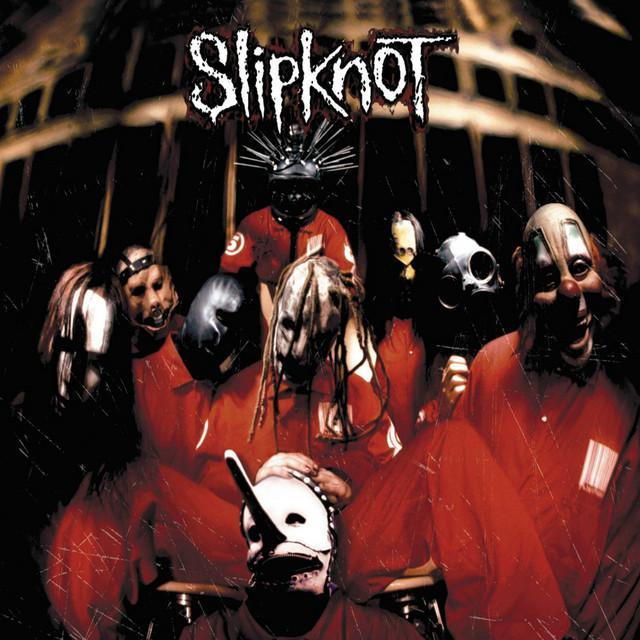
Released on Slipknot’s self-titled 1999 debut, the track became one of the band’s breakthrough singles and later circulated widely in its Terry Date radio mix. It was the fourth track on the album and one of its best-known songs, according to widely cited reference sources and fan documentation. Those facts matter because this was the song that introduced many listeners to Slipknot’s mix of chaos and hooks.
The Core Meaning Hiding in Plain Sight
A common reading is that the narrator thinks they are dreaming about dying in a bathtub, then slowly realizes the scene may be real. That interpretation appears in reference summaries and matches the song’s unstable details: bright light, shaking, confusion, and the question of whether this is memory or dream.
Interpretation: The song is not only about blood. It is about the moment they can no longer trust their own senses. When the chorus says inside my shell
, it suggests emotional retreat. They are trapped within themselves, watching events happen but unable to stop them.
The hook wait and bleed
turns pain into something passive. They are not fighting. They are suspended, frozen, and forced to sit with what they have become.
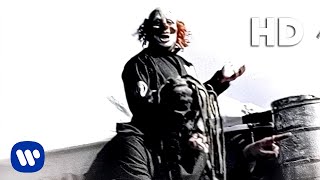
Watch the official Wait and Bleed
music video
A Mind at War With Itself
The verses give the song its real psychological weight. The narrator notices things in sharp, unreal flashes: tile, light, shaking, color, and a body that feels wrong. That sensory overload makes the scene feel like a panic attack or a dissociative break rather than a clean narrative.
When they ask whether it is a dream or memory, the song blurs past and present. That is why the track feels so unsettling. It is less about one event than about a mental collapse happening in real time.
A key phrase is hate rise up in me
. Before the body bleeds, the mind floods with anger. The violence seems to begin inside, then spread outward. In that sense, the blood imagery may represent guilt made visible.
Corey Taylor’s Idea of the “Switch”
Band context helps sharpen the song’s meaning. In a quote preserved by the Slipknot Wiki, Corey Taylor said the song is about the mental switch that can go off at any moment, turning a civilized person into someone capable of terrible acts. That comment is important because it widens the song beyond one literal scene.
Interpretation: With that context, the song can be read in two linked ways:
- A person confronting self-destruction.
- A person discovering violent capacity within themselves.
That second reading fits the line taking your breath away
, which hints that the danger may not be aimed only inward. The song keeps that ambiguity alive on purpose.
Symbols That Make the Song Feel Haunted
Slipknot pack the lyric with images that feel half-buried and ritualistic. The phrase clear the stone of leaves
has often prompted graveyard readings, since it evokes uncovering something hidden, old, or buried. Even if that image is abstract, it supports the idea of digging into a repressed self.
Another striking phrase is Manchurian candidate
. That reference points to control, manipulation, and a mind no longer fully its own. The narrator calls themselves a victim, which complicates the song’s anger. They may be dangerous, but they also feel programmed, pushed, or possessed by forces they do not understand.
You haven't learned a thing
I haven't changed a thing
In this brief bridge, the song sounds almost resigned. The pain is not new. It was there all along.
How the Sound Carries the Story
The meaning of Wait and Bleed Slipknot would not hit as hard without the music. The track is short, fast, and brutally efficient. Its pounding drums, down-tuned guitars, and sudden rhythmic locks create the sense of a body seizing up.
Just as important is Corey Taylor’s vocal performance. He shifts between melody and a near-panicked bark, which mirrors the song’s split between control and collapse. That blend helped make the song more accessible than some of Slipknot’s harsher material, while keeping the threat intact.
Chris Fehn once told Songfacts that the band did not expect the song to become so popular and did not write it to chase radio. That matters because its crossover power feels accidental rather than calculated. The catchy chorus does not soften the subject; it makes the instability easier to enter.
Why the Song Connected So Fast
“Wait and Bleed” landed at a time when heavy music was pushing emotional extremity into the mainstream. Slipknot’s masks and nine-member assault got attention, but this song endured because it gave their chaos a human center. Beneath the spectacle was a very recognizable fear: the fear of becoming a stranger to themselves.
That is why the final warning, it waits for you
, still lingers. The song does not frame darkness as something rare or distant. It suggests that pain, rage, and collapse are always nearby, waiting for the wrong moment.
The Last Take
The best way to understand the meaning of Wait and Bleed Slipknot is to hear it as a song about inner fracture. It uses blood, dreams, and violent imagery to show a person trapped between awareness and impulse.
Interpretation: Whether listeners hear self-harm, dissociation, or the discovery of violent instinct, the emotional core stays the same: they are horrified by what is happening, yet unable to look away.
Disclaimer: This article offers interpretation based on the song, publicly available band comments, and documented release history. Like most Slipknot songs, its meaning remains open to more than one valid reading.