Why Sting’s Faith Song Still Hits
The meaning of If I Ever Lose My Faith In You Sting starts with a surprise. The song sounds like it will be about religion, politics, or modern life falling apart. It does touch all of those things. But at its heart, it is really about one remaining anchor: trust in another person.
"If I Ever Lose My Faith In You" - Sting
You could say I lost my belief in the holy Church
You could say I lost my sense of direction
Loading lyrics...
Unable to load lyrics
We're unable to display the lyrics at this time. Please try again later.
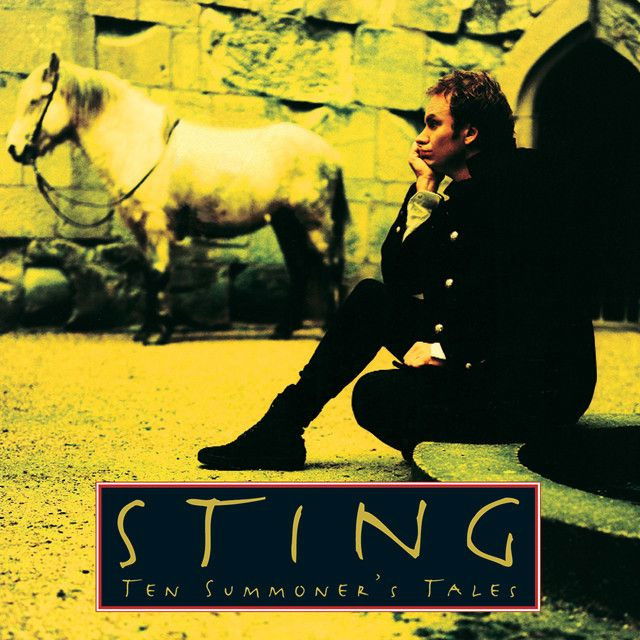
Released in 1993 as the lead single from Ten Summoner’s Tales, the track helped introduce a more reflective phase in Sting’s solo career. According to A&M album notes and release information, it opened that album with a clean, polished sound that mixed adult pop, rock, and subtle soul touches. That matters because the production supports the lyric’s central idea: doubt is everywhere, but one bond still feels real.
Where the Song Puts Its Faith
On the surface, the verses list broken systems. The speaker says they have lost belief in science as pure progress, in organized religion, in television figures, and in politicians. Those targets are not random. They are all institutions that claim authority.
Yet the chorus flips that broad disappointment into something personal. When Sting sings lose my faith in you
, the song narrows from public collapse to private survival. The point is not that the world has no value. The point is that one human connection matters more than the noisy promises made by powerful institutions.
Interpretation: The “you” is most often heard as a lover or close partner. But Sting leaves it open enough that listeners can hear a friend, family member, or even a deeper idea of human love.
Watch the official If I Ever Lose My Faith In You
music video
The Verses Build a World of Distrust
The first verse starts with a chain of losses: direction, belief, certainty. That piling-up effect matters. The song does not present one bad event. It presents a long erosion of confidence.
Then the second verse gets sharper and more worldly. The line about TV and politicians paints public life as performance. The image of leaders seeming like entertainers suggests a culture where image beats truth. In plain terms, the song argues that public trust has been turned into spectacle.
That is one reason the track has aged so well in the United States. Even decades later, listeners still recognize the feeling that politics can look staged and shallow. The song never names parties or policies, so it stays broad and human rather than narrowly topical.
The Chorus Changes Everything
The chorus is simple, which is why it lands so hard. After listing failed systems, the speaker admits that one loss would be unbearable. Without that person, there would be nothing left for me to do
.
This does not sound like dependency in a weak sense. It sounds more like emotional orientation. The speaker may distrust the world, but they still know where meaning lives.
Every time I close my eyes
I see your face
Those lines are the song’s emotional center. After public disappointment, the image of a face becomes proof that intimacy can still cut through confusion.
Sting’s Bigger Context Matters
Sting wrote the song himself, credited under his given name Gordon Sumner. It won the Grammy for Best Male Pop Vocal Performance, and it was one of the signature songs from Ten Summoner’s Tales, a record widely seen as a strong critical and commercial comeback after the darker The Soul Cages era, as noted by the Recording Academy and Britannica’s Sting biography.
That context helps explain the song’s tone. This is not angry protest music. It is calmer, older, and more selective. Sting does not try to save every broken institution. Instead, they focus on what remains worth holding.
How the Sound Carries the Meaning
Musically, the track sounds steady but unsettled. The groove is smooth, yet there is a light tension in the harmony and arrangement. Keyboards give it a glossy early-1990s texture, while the rhythm section keeps moving forward without rushing.
That balance mirrors the lyric. The speaker is shaken, but not destroyed. The melody rises with emotional pressure, then settles back into control. Sting’s vocal is especially important here: they do not oversing the message. The restraint makes the doubt feel lived-in rather than theatrical.
Another smart touch is how the song avoids a huge rock explosion. A massive chorus might have turned the song into pure anthem. Instead, the arrangement stays measured, which fits a lyric about cautious faith rather than blind belief.
Symbols Hidden in Plain Sight
Several repeating ideas hold the song together:
science and progress
suggests modern promises that can become double-edged.holy Church
points to spiritual authority losing credibility.- The face in the chorus symbolizes a truth that feels immediate, not abstract.
- The word “faith” itself bridges romance, trust, and belief.
Interpretation: One of the song’s smartest moves is using the language of religion to describe a personal relationship. That makes love sound sacred without turning the song into a sermon.
More Than a Love Song?
There are at least two strong ways to read the meaning of If I Ever Lose My Faith In You Sting.
First, it can be heard as a love song about one person becoming the last source of meaning in a cynical world.
Second, it can be heard more broadly as a humanist statement. In that reading, the “you” stands for human connection itself. The song says institutions may fail, but direct care between people still matters.
Both readings fit the lyric. That openness is one reason the song remains powerful.
Why the Song Still Connects
Listeners still return to this track because it names a modern feeling: disappointment with big systems, mixed with a stubborn hope that personal loyalty can survive. It is skeptical without becoming hopeless.
That is the lasting achievement here. Sting turns cultural distrust into a deeply human promise. Even if public faith is gone, private faith may still be enough to keep going.
Disclaimer: This article offers informed interpretation based on the song’s lyrics, recording context, and public reception. Like any song, its meaning can vary from listener to listener.