Why ‘Violent Pornography’ Feels So Disturbingly Current
The core message behind the chaos
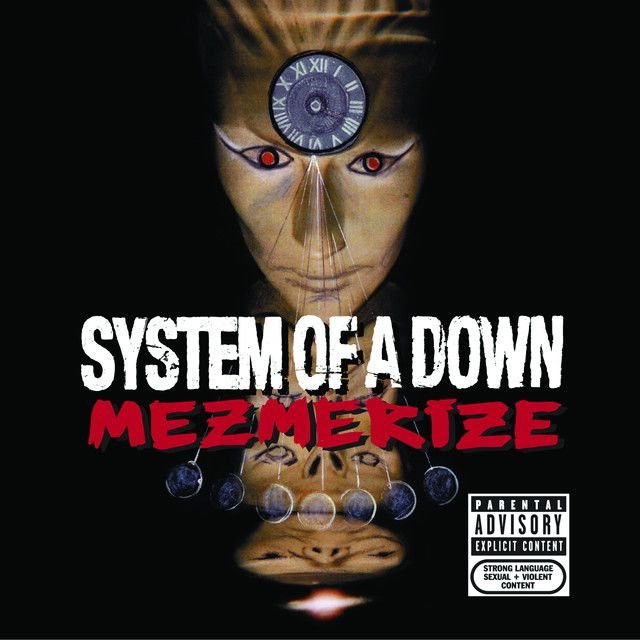
The meaning of Violent Pornography System of a Down starts with a blunt idea: they are attacking a culture that packages sex, violence, and distraction as normal entertainment. The song appeared on Mezmerize in 2005, the band’s fourth studio album, and it was written by Daron Malakian, who also co-produced it with Rick Rubin, according to Songfacts and the System of a Down fan archive.
"Violent Pornography" - System of a Down
Everybody, everybody, everybody fucks
Everybody, everybody, everybody livin' now
Loading lyrics...
Unable to load lyrics
We're unable to display the lyrics at this time. Please try again later.
At its heart, the track argues that modern media does not just reflect society. It shapes it. When the chorus names violent pornography
, the phrase works less like a literal genre label and more like a summary of what television and mass entertainment can become when shock value turns into business.
System of a Down often mix satire, anger, and absurd humor. This song uses all three. They make the listener laugh at first, then realize the joke is ugly.

Watch the official Violent Pornography
music video
A media satire disguised as a party song
One of the smartest things about the song is its bait-and-switch structure. The rhythm feels jumpy and catchy, and the repeated line non-stop disco
sounds playful. But that upbeat loop hides a warning: people are being overstimulated all the time.
The odd food-brand reference, bet you it's Nabisco
, adds to that effect. Interpretation: they seem to connect entertainment, advertising, and consumer culture into one giant machine. Everything is branded, sold, repeated, and pushed until it becomes hard to tell what is real desire and what is manufactured appetite.
That is why the song keeps circling the same phrases. Repetition becomes part of the message. The listener feels trapped in the same cycle the song criticizes.
What the verses say about everyday life
The opening lines are simple and harsh. They list universal human actions and outcomes: desire, weakness, pain, and death. By repeating everybody livin' now
, the song flattens human experience into a chant, almost like a slogan.
That matters because the band seems to be showing how media can reduce people into categories, impulses, and headlines. Instead of complex human beings, society gets a loop of appetite and spectacle. Everyone becomes part of the show.
It's on the TV
Turn off your TV
This is the clearest moment in the song. After all the noise and mock-party energy, the message arrives almost like an alarm. The target is not only explicit content. It is also passive consumption.
The chorus and the idea of “brainwashing”
When the song describes ugly material as the kind... on your TV
, it is accusing mainstream media of making disturbing images ordinary. Songfacts summarizes the band’s angle as a broader attack on television and media as distributors of corruption and manipulation.
Then comes the outro: Brainwashing
. That word gives the whole song a sharper meaning. They are not just saying TV is trashy. They are saying constant exposure can train people to accept cruelty, objectification, and numbness.
Interpretation: the song suggests a moral dulling effect. If a culture consumes enough spectacle, it may stop reacting to harm at all. The real danger is not one shocking image. It is the endless stream.
How the sound carries the argument
The production helps sell this message. Violent Pornography runs a little over three and a half minutes, but it feels crowded and restless. The guitars are jagged, the drums hit with dance-like insistence, and Serj Tankian and Daron Malakian trade vocals in a way that sounds half-chant, half-sneer.
That contrast is important. The song is catchy enough to mimic the seduction of pop media, yet abrasive enough to reject it. They make the listener move, then make them uncomfortable for moving.
This has always been one of System of a Down’s strengths. Across Mezmerize, which reached No. 1 in the United States, they used sharp tempo changes and theatrical vocals to deliver political and cultural critique. In this track, the candy-coated hook and the ugly subject matter are meant to clash.
Artist context matters here
Around the Mezmerize era, Malakian took on a larger writing role, a shift noted by Songfacts. That matters because this song feels especially focused on his style: sarcastic, fragmented, melodic, and confrontational.
System of a Down were never interested in subtle protest songs. They liked overload. In this case, overload is the point. Their criticism of TV culture, commercialism, and mental passivity fits with other songs from the period that attack empty habits and social manipulation.
For American listeners in 2005, the song spoke to cable TV excess, tabloid culture, and the early internet’s flood of shocking material. For listeners now, it can feel even more relevant in the age of algorithm feeds and nonstop scrolling.
One song, two strong readings
There are at least two solid ways to hear the song:
- Direct media critique: they are condemning television for normalizing violence and sexual exploitation.
- Wider social critique: they are also attacking consumer society as a whole, where ads, branding, and entertainment keep people distracted and easy to control.
Both readings fit the lyrics and the sound. The command to shut the screen off works literally, but it also sounds symbolic. They may be asking people to wake up, unplug, and think for themselves.
Why the song still hits
The meaning of Violent Pornography System of a Down remains powerful because the band identified a problem that only grew bigger: attention is always being captured, sold, and shaped. The song is outrageous on purpose, but the outrage has a target.
Their point is not that art should avoid hard subjects. It is that mass media can turn harm into background noise and market it like fun. That is why the song feels so frantic. It is trying to break the trance.
Disclaimer: This interpretation is based on the lyrics, the song’s production, and available artist context. As with most System of a Down songs, some meaning remains open to listener interpretation.








