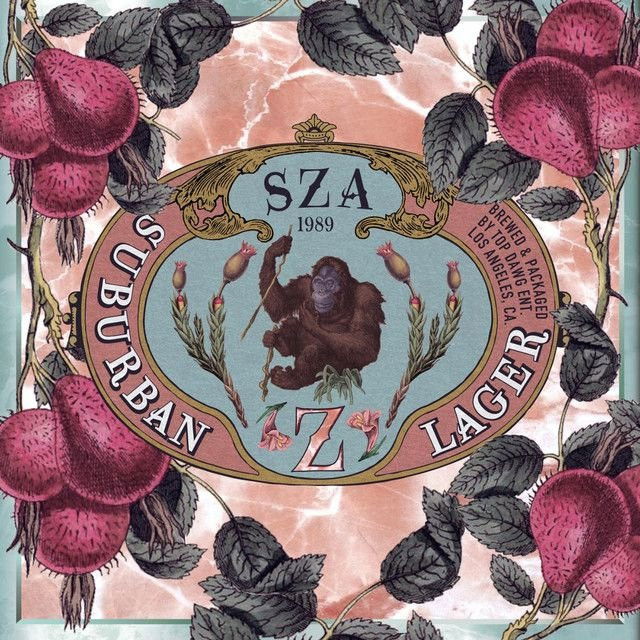
Sweet November by SZA
The meaning of Sweet November SZA centers on a painful split inside the narrator. They sound caught between who they used to be, who they have become, and what it costs to survive both versions. The song is brief, but it carries a heavy mix of shame, danger, memory, and tenderness.
"Sweet November" - SZA
It took all of me not to answer it
Daddy warned me the perils of play
Loading lyrics...
Unable to load lyrics
We're unable to display the lyrics at this time. Please try again later.
The Heart of the Song’s Message
At its core, this is a song about asking to be remembered with mercy. The repeated plea to be seen for an earlier self suggests someone who feels changed by hurt, bad choices, or hard living. When SZA sings Remember me for who I was
, the line does not just sound nostalgic. It sounds like a defense against judgment.
That emotional push gets stronger because the song also reaches toward faith. Early on, the narrator mentions Jesus called me collect
, then says it took everything not to answer. In plain terms, that sounds like a brush with morality, death, or spiritual accountability. They know there is a higher standard, but they do not feel able to meet it.
Interpretation: The song reads like a confession from someone who is still alive, but who feels haunted by damage already done.

Watch the official Sweet November
music video
A Voice Talking to Itself and to Another Woman
One of the most interesting things about the meaning of Sweet November SZA is how the song shifts focus. At first, the voice feels deeply personal. Then it turns outward and addresses another woman, warning her about a man named Tommy.
This second verse can be heard in two ways:
- They are speaking to a friend and trying to stop them from repeating an old mistake.
- They are speaking to a younger version of themselves, almost like self-advice arriving too late.
Both readings fit the lyrics. The warning about a man who does not love her and treats intimacy casually makes the song feel protective, but also bitterly experienced. SZA is not describing romance as exciting here. She presents it as risky, hollow, and tied to emotional fallout.
Why “November” Matters
The title word gives the song its mood. November often suggests endings: colder weather, shorter days, the last stretch before winter. Calling it Sweet, sweet, sweet November
creates a contrast. November is usually not the sweetest month, so the sweetness feels ironic, bruised, or temporary.
Interpretation: “November” may symbolize a late season in life or love, when innocence is gone but feeling remains. It is sweet because memory softens pain. It is sad because that sweetness cannot undo what happened.
The title also works as a private nickname for a state of mind. Rather than naming one event, it wraps regret and comfort together. That tension is why the chorus lingers.
How the Lyrics Build Shame, Fear, and Compassion
The song opens with spiritual imagery, then moves into sex, gossip, and warning. Those ideas might seem separate, but they join around one theme: consequences. The narrator understands cause and effect. They know pleasure can turn dangerous, and they know people often ignore warnings until it is too late.
A short block near the end strips the feeling down even more:
Hurts
Right
Broken
Stride
These words feel like emotional fragments rather than full thoughts. That matters. Instead of explaining everything neatly, the song breaks into pieces, as if pain has made language less stable.
The Sound of the Song Supports the Meaning
SZA first released the track during the era of her early project S/ZA and later made it part of the wider story of her pre-Ctrl work. That period is known for loose, intimate songwriting and hazy alternative R&B textures. “Sweet November” fits that style well.
The production is soft but eerie. The beat does not rush, which lets every uneasy image hang in the air. The vocal layering feels ghostlike, especially in the refrain, where the repeated title sounds comforting and unsettling at once.
There is also a soul lineage in the writing credits. Hamilton Bohannon and Marvin Gaye are credited songwriters here, pointing to sampled or interpolated material that ties the song to older Black musical traditions. That history matters because the track balances raw confession with a smooth, almost classic warmth. Readers can verify the credits on ASCAP.
Artist Context Makes the Song Hit Harder
In SZA’s early catalog, they often write from unstable emotional ground. Desire, self-protection, spirituality, and self-doubt keep colliding. “Sweet November” feels like an early blueprint for themes they would later sharpen on Ctrl: fear of being used, fear of becoming unrecognizable to oneself, and the need to turn messy feeling into art.
That context helps explain why the song feels both personal and unfinished. It is not trying to offer a clean moral lesson. It is showing a mind in motion, still sorting guilt from wisdom.
The Strongest Reading of “Sweet November”
The strongest reading is that SZA turns regret into a prayer. The song asks for compassion without pretending innocence. It warns against bad love while admitting attraction to danger. And it frames self-knowledge as something earned painfully, not gracefully.
When the chorus returns to never understand this
, the message is not just secrecy. It suggests that some pain can only be understood by living through it. That idea gives the song its lonely power.
Final Take on the Meaning of Sweet November SZA
The meaning of Sweet November SZA lies in its mix of confession, warning, and mourning for an older self. It is about living with choices that changed a person, then asking to be remembered with softness anyway.
That is why the song still resonates: it treats damage honestly, but it does not deny the human need for grace.
Disclaimer: This interpretation is based on the lyrics, available credits, and SZA’s broader artistic themes. As with most songs, listeners may hear different meanings.









