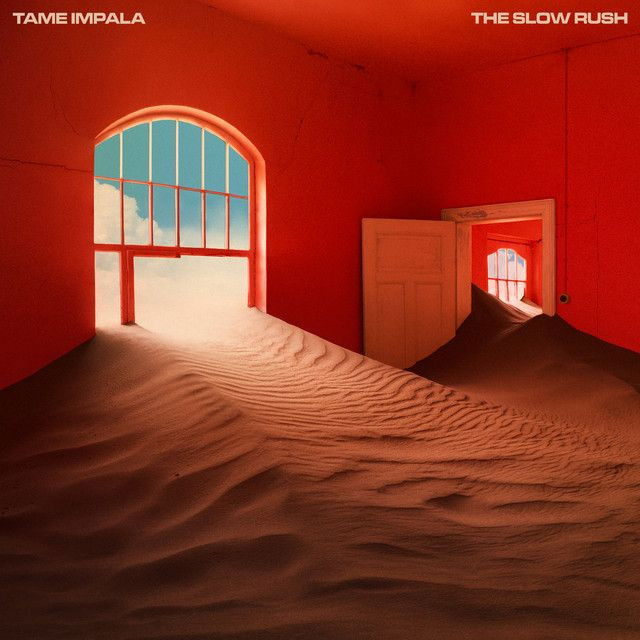
It Might Be Time by Tame Impala
A buzzing siren of drums, synths, and self-doubt, this track captures a turning point: the moment someone stops arguing with time. For readers searching for the meaning of It Might Be Time Tame Impala, this piece unpacks how Kevin Parker turns anxiety into a neon wake-up call.
"It Might Be Time" - Tame Impala
That's enough for one night
Hope y'all get home alright
Loading lyrics...
Unable to load lyrics
We're unable to display the lyrics at this time. Please try again later.
A Freeze-Frame on Growing Up
The song centers on accepting change after years of coasting on a cool persona. The narrator keeps hearing internal voices and finally concedes with the mantra It might be time to face it
. That refrain frames the song as an honest appraisal: the party is losing its glow.
Facts support this lens. Released in October 2019 as a single for The Slow Rush, Tame Impala’s first album in five years, Parker was 33 and dwelling on time, memory, and momentum. He has said the album is preoccupied with how life speeds by and how that realization hits all at once.
Watch the official It Might Be Time
music video
Who the ‘You’ Really Is
Though the verses use first-person reflection, the chorus flips to second person: You ain't as cool
; You ain't as young
. Interpretation: the “you” is a mirror. It’s the stern voice you use on yourself when gentle nudges fail. The tone is not cruel—it’s corrective, a strategy to break denial.
At the same time, lines about social friction—like They roll their eyes
—suggest a wider audience. Friends and gatekeepers may be judging, but the most powerful critic here is the self.
A Quick Timeline of Doubt
- The scene opens with a shrug and an excuse: a night ends early, and the narrator blames the weather. That’s classic avoidance.
- The doubts pile up: have they lost momentum? Are they outgrowing the room, or vice versa?
- A jolt of comparison lands:
All my friends are growin' up
. Their peers move on; he lingers at the door. - The pivot arrives in the chorus:
It might be time to face it
. Denial gives way to acceptance, at least for the length of the hook. - The coda doesn’t promise a fix. It simply argues for owning the truth.
The Hook as Tough Love, Not Self-Loathing
The refrain isn’t nihilistic. It’s coaching. Phrases like You ain't as young
sting, but they clear space for a new era. Interpretation: the lyric chooses growth over image management. That also explains the line about wanting to keep this dream alive
—the dream persists, but it has to evolve. Acceptance is the first step toward a better version of the same dream.
What the Title Signals
The title reads like a calendar reminder. It’s not “It’s over”; it’s “It might be time.” That hedge matters. Interpretation: the narrator is testing the sentence out loud, preparing to act. The word “might” lets them acknowledge fear while still moving forward.
Sounds That Panic on Purpose
Musically, the track’s blown-out drums and sharp, siren-like synths feel like an alarm clock. The mix lurches and surges, as if thoughts are racing. Parker often records, writes, and produces alone, and here the one-person laboratory shows: every clang and filter sweep pushes the tension higher.
Critics likened the chord motion and glossy keys to late-’70s prog-pop while noting a modern, distorted punch. That blend mirrors the theme—nostalgia rubbing up against the present. When the arrangement drops out and rushes back, it mimics the mental loop: denial, shock, resolve.
Friends, Doors, and Other Motifs
- Friends as mile-markers:
All my friends are growin' up
measures time through other people’s choices. - The threshold: mentions of being “at the door” suggest someone stuck between scenes—still arriving, not invited in.
- The crowd’s gaze:
They roll their eyes
casts the audience as a mirror, forcing the narrator to see what they’ve become.
Each element pushes the same thesis: the cost of stasis rises every day.
Alternate Readings Worth Considering
- Industry anxiety. Interpretation: the “you” could be Parker’s public image as a tastemaker. After a long gap between albums, the hook confronts the fear of losing cultural heat.
- Personal maturation. Interpretation: it’s less about fame and more about adulthood milestones—work, love, routines—that make late nights and endless reinvention harder to sustain.
Both readings can be true at once. The song works because it speaks to anyone noticing life accelerating around them.
Why It Resonates Now
For U.S. listeners navigating career plateaus and shifting friend groups, the song offers language for that uneasy middle: still ambitious, but aware. The mantra It might be time to face it
is usable in real life, whether you’re closing the bar earlier or pivoting your goals.
Takeaway and Disclaimer
The track argues that truth-telling is a creative act. It doesn’t kill the dream; it reshapes it. Interpretation will vary by listener; this analysis blends reported context with close reading of the lyrics and production.









