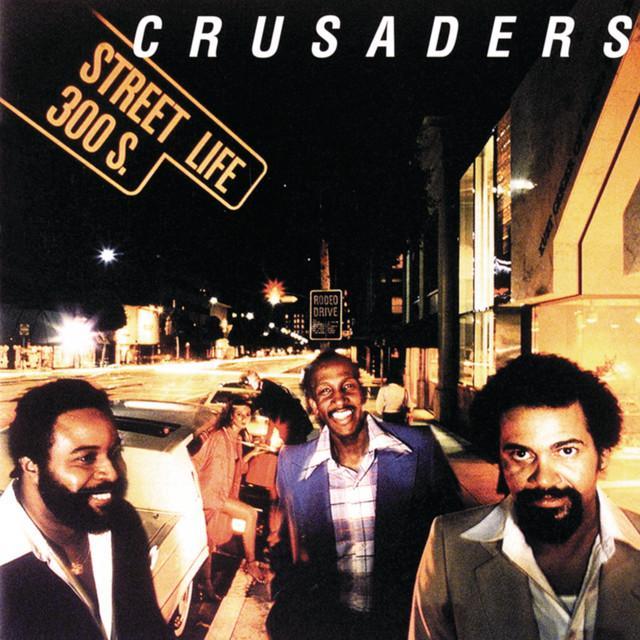
Street Life by The Crusaders
The meaning of Street Life The Crusaders starts with a hard truth: this is not a glamorous city song. It sounds sleek and seductive, but its story is about survival, performance, and the cost of living by hustle alone. Released in 1979 on the Crusaders’ album Street Life, the track paired the group’s jazz-funk groove with a star-making lead vocal from Randy Crawford.
"Street Life" - The Crusaders
Hear the lonely sound of music in the night
Nights are always bright
Loading lyrics...
Unable to load lyrics
We're unable to display the lyrics at this time. Please try again later.
Factually, the song was written by Joe Sample and Will Jennings, with Crawford singing lead, and it became one of the Crusaders’ biggest crossover hits, reaching No. 5 in the UK and No. 36 on the US Billboard Hot 100, according to this Wikipedia entry. But its staying power comes from more than chart numbers. The song captures the pull of nightlife while warning that the street can consume a person.
A City Anthem With a Warning Label
At first listen, the chorus feels bold and almost free. The repeated phrase street life
sounds like a declaration of identity. Yet the verses make clear that this life is unstable. The singer is not celebrating comfort or success. They describe someone drifting between visibility and isolation, caught in bright nights that hide emotional emptiness.
That tension is the song’s center. The city offers motion, money, style, and fantasy. But it also asks people to keep performing. In this world, image matters, youth matters, and vulnerability becomes a liability. What seems glamorous on the surface is deeply fragile underneath.

Watch the official Street Life
music video
Where the Idea Came From
The song’s origins help explain its sharp point of view. Joe Sample said the inspiration came from seeing chaos on Hollywood Boulevard, calling it a kind of madness, while Will Jennings said the lyric came right off that street scene, as noted by Songfacts. That matters because it anchors the song in observation, not fantasy.
So when the lyric describes a world of sellers, dreamers, and self-invention, it reflects real urban theater. Hollywood becomes a symbol for any place where people sell a version of themselves in order to survive. The song is specific in origin but broad in meaning.
The Narrator’s Position in the Crowd
The opening line, neither lost nor found
, sets up the narrator as someone in between. They are present, but not settled. They belong to the night, yet they do not sound fully at peace there.
This is important for interpretation. The song does not speak from a safe distance. It sounds like a witness who is also involved. When the singer says it’s the only way I know
, the line can be heard as resignation more than pride. The character may choose the street, but they also seem trapped by it.
What the Chorus Really Means
The chorus is memorable because it works two ways at once. On one level, there’s no place I can go
suggests a lack of options. The street becomes not just a location but a social condition. It is the life left over when stability, home, or protection are missing.
On another level, the hook describes addiction to risk. The line about cards and playing life away turns the street into a game where every move has a cost. Interpretation: the chorus suggests that street life is both imposed and chosen. People may enter it from necessity, but over time its speed and drama can become hard to leave.
Masks, Money, and the Price of Youth
One of the song’s smartest ideas is that identity itself becomes a performance. The lyric says people dress, walk, and talk into being who you think you are
. In plain terms, the city rewards role-playing. If they look successful enough, desirable enough, or tough enough, they may survive another night.
The song also links desire to commerce. Love appears as transaction, fantasy, and sales pitch rather than trust. The fairy-tale language is not sweet; it is bitter. A “prince charming” figure is less a rescuer than part of the system.
but you better not get old
you’re gonna feel the cold
Those lines deliver the song’s harshest warning. Street life favors the young because youth can still be marketed. Aging reveals how temporary the whole setup is.
How the Sound Sells the Story
The production is a big reason the message lands so strongly. The Crusaders build the track with polished jazz-funk rhythm, a smooth bass line, bright keyboard colors, and a groove that feels expensive and fluid. That musical elegance mirrors the lure of nightlife.
Then Randy Crawford’s voice adds the human cost. She does not sing the lyric like a lecture. She gives it warmth, weariness, and force at the same time. That blend is crucial: the performance makes the lifestyle sound attractive enough to understand, but too sad to envy.
This contrast between groove and message is part of the song’s brilliance. The band lets listeners feel why people get drawn in, even as the lyric explains the danger.
Why the Song Endured
“Street Life” has lasted because it speaks beyond 1979. It later appeared in films and television, including Sharky’s Machine, Jackie Brown, and Better Call Saul, which helped keep its mood alive for new audiences. Its themes still connect because modern culture also rewards visibility, speed, and reinvention.
Interpretation: today, the “street” can mean nightlife, fame culture, gig survival, or any world where people must keep selling a persona. That makes the song feel current without changing a word.
The Final Take on Its Meaning
The meaning of Street Life The Crusaders is not that the street is cool or romantic. It is that the street can feel like freedom while quietly draining security, intimacy, and time. The song understands the thrill of that world, but it never forgets the loneliness inside it.
That balance is why the song still hits so hard. It dances beautifully, but it never lies.
Disclaimer: This interpretation separates documented facts about the song’s writers, release, and reception from critical reading of its lyrics and themes. Meaning can vary from listener to listener.







