Why 'The Book of Love' Still Charms
The meaning of The Book of Love The Monotones starts with a joke, but it lands on something real. This 1958 hit turns romance into a pretend handbook, as if love could be explained through neat rules and numbered chapters. That playful idea is the song’s hook, but it also reveals a deeper truth: people want love to make sense, even when it rarely does.
"The Book of Love" - The Monotones
(Who wrote the book of love?)
Tell me, tell me, tell me
Loading lyrics...
Unable to load lyrics
We're unable to display the lyrics at this time. Please try again later.
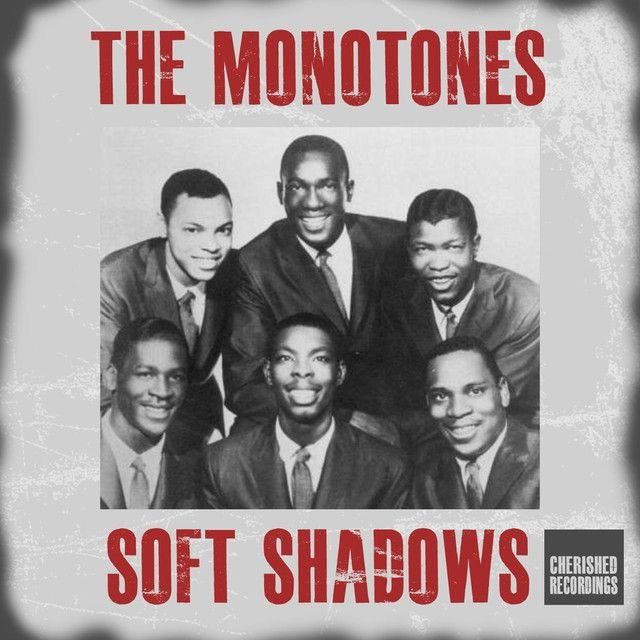
The Monotones, a Newark doo-wop group, scored their only major hit with the song, which reached No. 5 on the pop chart and No. 3 on the R&B chart after its national release on Argo, according to Songfacts. Its lasting appeal comes from how simple and clever it is. They sound innocent, funny, and sincere all at once.
A Love Song Disguised as a Rulebook
On the surface, the singer is asking a comic question: Who wrote the book of love?
But the real point is not authorship. It is uncertainty. They are in love, and they want proof that the feeling is right, stable, and true.
That is why the song keeps returning to the idea of a literal guide. The narrator seems to believe there must be a set of instructions somewhere. If they can just find the book, then romance will stop feeling mysterious.
Interpretation: the song gently pokes fun at that wish. Love is treated like schoolwork, but the performance makes clear that the rules are too tidy for real life.

Watch the official The Book of Love
music video
The Chapters Tell the Whole Story
The lyric’s smartest move is the chapter structure. Instead of describing one romance in detail, the song reduces courtship to a few broad steps. One chapter says to love fully. Another promises no separation. Then comes romance, a breakup, and one more chance.
Chapter one says to love her
In chapter four you break up
That short sequence matters because it captures a whole cycle of young love. First comes idealism, then vows, then trouble, then reconciliation. In only a few lines, the song sketches out how relationships often move between fantasy and disappointment.
This is where the meaning of The Book of Love The Monotones becomes richer than its novelty premise. The so-called book does not just teach devotion. It also includes heartbreak. In other words, the song admits that pain is part of romance too.
Innocence, Devotion, and Teen Romance
The voice of the song is direct and youthful. When the singer says I love you darlin'
and insists ours is the one that's true
, they sound fully convinced in the moment. That matters because doo-wop often lived in the space between dream and declaration. Feelings are intense, simple, and immediate.
There is no irony in the vocal delivery. Even with the clever concept, they sing like believers. That sincerity keeps the song from becoming a parody. It sounds like someone trying to make sense of big feelings with the limited tools they have.
Interpretation: this is partly why the song still connects. Many listeners remember what it feels like to want love to be both magical and explainable.
How the Sound Supports the Meaning
Musically, the track helps sell both the humor and the heart. It is built in a classic doo-wop style, with group harmonies, a memorable call-and-response pattern, and a beat that feels light on its feet. The repeated I wonder, wonder who
phrase works like a chant, making the question sound childlike and catchy rather than heavy.
The production history adds to the song’s charm. Songfacts reports that the opening drum accent was inspired by an accidental sound during recording, and the group kept the effect because they liked it. That little punctuation gives the record personality. It feels spontaneous, almost homemade, which matches the song’s playful concept.
The melody also has an easy, sing-along shape. That matters because a fake rulebook could have come off as too cute. Instead, the warm harmonies make the listener accept the metaphor emotionally.
The Backstory Makes the Song Even Better
Part of the song’s legend is its unlikely inspiration. According to Wikipedia's overview, Charles Patrick drew from a Pepsodent ad jingle and developed the song with Warren Davis and George Malone. That mix of everyday commercial culture and teenage romance fits the track perfectly. It turns something ordinary into something memorable.
The Monotones themselves reportedly saw it as a goof at first, but audiences responded strongly. That fact helps explain the record’s energy. They are not overworking the idea. They are enjoying it, and that enjoyment carries through the performance.
Why the Song Lasted Beyond Its Era
Many 1950s hits survive because they capture a mood. This one survives because it captures a question. People still want to know if love follows rules, whether commitment can be promised, and how breakups fit into a bigger story.
The song’s answer is both comforting and sly. Yes, there is a “book,” but it includes longing, devotion, conflict, and second chances. That makes it less like a manual and more like a summary of romantic hope.
Final Page on Its Meaning
The meaning of The Book of Love The Monotones is not that love can truly be mastered. It is that people keep wishing it can. By framing romance as a book with chapters, the song makes young love sound organized, but its emotional pull comes from the opposite truth: love stays mysterious.
That tension between certainty and confusion is what gives the song its lasting sparkle. It is funny, sweet, and wiser than it first appears.
Disclaimer: This interpretation separates documented background from critical reading. As with any song, meaning can vary from listener to listener.








