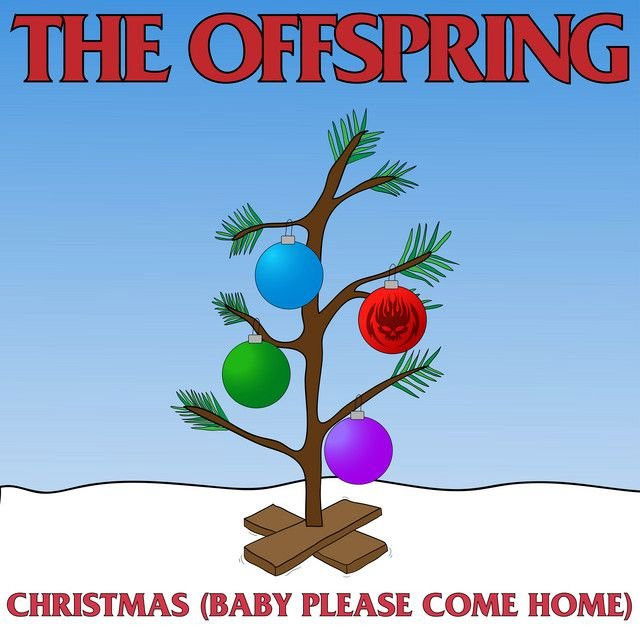
Why The Offspring’s Christmas Cover Still Hurts
The meaning of Christmas (Baby Please Come Home) The Offspring version starts with a simple idea: Christmas does not feel whole when one important person is gone. Even without changing the song’s basic story, their punk-rock energy can make that feeling hit in a different way. What was once a big, emotional holiday pop record becomes more urgent, more rough around the edges, and in some ways more desperate.
"Christmas (Baby Please Come Home)" - The Offspring
(Christmas) I'm watching it fall
(Christmas) Lots of people around
Loading lyrics...
Unable to load lyrics
We're unable to display the lyrics at this time. Please try again later.
The song itself began in 1963 as the only original song on Darlene Love’s A Christmas Gift for You from Philles Records, written by Jeff Barry, Ellie Greenwich, and Phil Spector, who also produced it. It was released in December 1963 and later grew from a modest start into a holiday standard through covers, film use, and annual TV performances by Love.
The Real Heart of the Song
At its core, this is a song about emotional contrast. The world looks festive, but the singer cannot join in. Snow falls, bells ring, crowds gather, and lights sparkle, yet none of it brings comfort. Instead, every cheerful detail reminds them that someone is missing.
That is why the repeated plea Baby, please come home
matters so much. It is not just a romantic line. It becomes the whole emotional center of the song. The holiday setting raises the stakes because Christmas is supposed to mean togetherness.
Interpretation: In The Offspring’s hands, that plea can sound less like polished longing and more like a frustrated cry. Their style naturally leans toward speed, edge, and emotional force, so the song’s sadness may come across as urgency.
Watch the official Christmas (Baby Please Come Home)
music video
When Holiday Cheer Becomes Loneliness
One of the smartest things about the lyric is how it uses cheerful images against a sad mood. The singer notices snow's coming down
, hears bells, sees crowds, and watches the tree lights shine. Those details should create comfort, but they do the opposite.
The song’s most important tension is this: the season says joy, while the heart says loss. When the lyric notes it's not like Christmas at all
, it reveals the deeper message. Christmas is not defined by decorations. It is defined by presence.
The Memory That Makes It Worse
The lyric also brings in the past. The singer remembers all the fun we had
before, which turns memory into a kind of wound. Last year becomes proof that happiness once existed, and that makes the present emptier.
This is why the song feels so relatable. Many holiday songs celebrate what is happening now. This one aches because it compares now with what used to be.
How The Offspring Shift the Emotional Color
The original Darlene Love version is famous for its huge Phil Spector production, built with the dense “Wall of Sound” style and played by top session musicians often linked to the Wrecking Crew. That arrangement gives the song a grand, almost overflowing feeling, as if emotion is bursting out of every speaker.
The Offspring come from a very different musical world. Even when a punk band plays a faithful cover, the guitars, sharper rhythm, and more aggressive vocal tone change the emotional message. The song can feel less like a tearful holiday standard and more like someone trying to shout over the noise of the season.
Interpretation: That matters because their version may underline the song’s impatience. The repeated request is no longer only sorrowful. It can feel demanding, almost like the singer cannot stand one more second of forced holiday cheer.
A Song Bigger Than One Genre
Part of what makes this song so durable is that its central idea works anywhere. Soul singers, pop stars, and rock bands have all recorded it because the premise is universal: celebration feels hollow without connection.
Darlene Love herself gave the song a warmer frame in a quote often cited by The New York Times, saying she sees it as an invitation for people to return to loved ones. That reading is important. Even though the lyric is full of longing, it is not hopeless. It reaches outward.
That helps explain why the song has lasted. It was praised by Rolling Stone, which called attention to Love’s unmatched emotional force, and it became even more embedded in holiday culture through movies and her long run of seasonal TV performances.
Why the Chorus Endures
The chorus stays in people’s heads because it is direct, plain, and emotionally open. There is no complicated metaphor to decode. The listener understands the problem instantly: a holiday reunion has not happened, and the singer wants it now.
The lyric phrase please come home
also does something larger than romance. Home suggests safety, family, memory, and belonging. That is why the song can feel personal even for listeners who do not hear it as strictly a love song.
Final Take on the Meaning
So, the meaning of Christmas (Baby Please Come Home) The Offspring version is the pain of absence in the middle of celebration. The Christmas setting does not soften the loss; it magnifies it.
Interpretation: The Offspring’s sound likely pushes that message toward raw urgency, proving why this song survives every genre shift. Whether sung with soul grandeur or punk force, it says the same thing: the season only feels complete when the right person is there.
Disclaimer: This interpretation blends verified song history with close reading of the lyrics and reasonable inference about The Offspring’s musical approach. Meaning can vary from listener to listener.








