Why 'Time' by Tom Waits Still Hurts
Tom Waits wrote many songs about people on the edge, but “Time” may be one of his most compassionate. For anyone searching for the meaning of Time Tom Waits, the song is less about clocks than about urgency. It looks at damaged lives, fading memory, and street-level survival, then lands on one simple command: love before it is too late.
"Time" - Tom Waits
And the shadow boys are breaking all the laws
And you're east of East Saint Louis and the wind is making speeches
Loading lyrics...
Unable to load lyrics
We're unable to display the lyrics at this time. Please try again later.
A Broken-City Ballad With a Soft Center
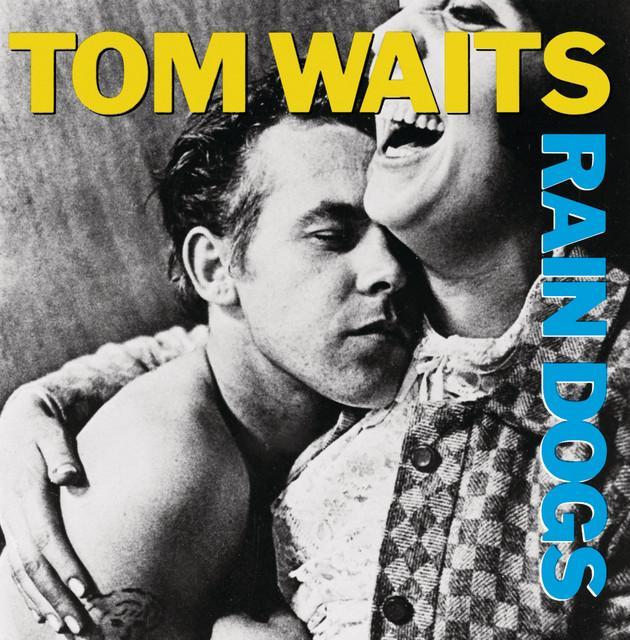
“Time” appears on Rain Dogs, released in 1985. That album belongs to the period when Waits moved deeper into rough textures, odd characters, and Beat-style imagery. As American Songwriter notes, “Time” stands out as one of the quieter songs on the record.
That matters. On an album filled with clatter, odd humor, and urban chaos, this track feels like a pause for feeling. The arrangement is restrained, with a worn, intimate sound that makes the chorus hit harder. Instead of shouting its message, the song almost sighs it.
Watch the official Time
music video
What the Song Is Really About
At the broadest level, the song is about people who are lost, hurt, or spiritually adrift. The verses move through a series of strange, cinematic scenes: lawless streets, carnival sadness, wounded bodies, sailors, and women trying to survive. None of these people seem fully safe or fully settled.
Then the chorus arrives with time, time, time
and, more importantly, that you love
. In plain terms, the song argues that hardship is everywhere, memory is unreliable, and life keeps moving. Because of that, love is not a luxury. It is the necessary response.
Interpretation: Waits may be using “love” in more than one way. It can mean romantic love, but it can also mean compassion, mercy, or choosing emotional truth over numbness.
The Verses Work Like Street Portraits
Rather than tell one neat story, Waits builds a chain of portraits. Each verse feels like a glimpse through a rainy window.
In the opening, the world is unstable and theatrical. The moon is low, boys break rules, and even weather seems to speak. When the rain sounds like a round of applause
, the image turns suffering into a performance, as if the city keeps watching while people fall apart.
Later, Waits introduces figures like Napoleon and Mathilda. These names do not read like realistic biography so much as emotional types. They make the song feel half-street scene, half-fable. A washed-up emperor, an uncertain woman, sailors asked whether they carry dreams or prayers: all of them seem trapped between hope and defeat.
Memory, Loss, and People Pretending They’re Fine
One of the song’s sharpest ideas comes in the lines about people acting like orphans and memory shrinking like a departing train. Waits suggests that loss is so common that people almost wear it as an identity.
He also captures how memory works after pain. Some things disappear, while other things stay forever. The song says forgetting and remembering are tangled together, and that tension gives the chorus its force. If time keeps taking things away, then love becomes the thing worth holding onto.
A Single Glimpse of the Song’s Heart
The chorus is direct, but the verses explain why it matters:
close your eyes, son
this won't hurt a bit
Paraphrased, that moment sounds like false comfort in a brutal world. Someone promises ease where there may be none. That is why the chorus feels necessary: the song is full of pain softened by fragile human gestures.
How the Sound Carries the Meaning
“Time” works because the music does not crowd the words. The performance is gentle by Waits standards, with a bruised elegance. Guitar and accordion create a weary, old-world feeling, while the rhythm moves slowly enough for each image to linger.
Waits’ voice is crucial. His gravelly tone often sounds like experience itself, and here they use that roughness tenderly. He does not sing like an outside observer judging these people. He sounds close to them, as if he knows their rooms, their rain, and their disappointments.
That emotional closeness supports the song’s central idea. The city is harsh, but the singer is not.
Why the Refrain Feels So Powerful
The repeated hook can sound simple on paper, but in context it becomes almost spiritual. Tom Waits reportedly described time as a precious commodity
on a promo introduction to the song, and that fits the lyric perfectly. Time is limited; tenderness cannot wait forever.
Interpretation: The refrain may be aimed at one person, but the song feels bigger than that. It sounds like advice to anyone drifting through damage: do not let irony, fear, or exhaustion stop you from loving.
Alternate Readings That Also Make Sense
There is room for more than one meaning in “Time.” A few strong readings stand out:
- Romantic reading: someone is being urged to finally commit.
- Spiritual reading: “love” means grace, mercy, or human fellowship.
- Social reading: in a world of outsiders and casualties, love is the last real defense against despair.
These readings can all be true at once. That layered quality is one reason the song lasts.
Why This Song Endures
The meaning of Time Tom Waits remains powerful because the song never pretends suffering is tidy. Its people are half-real, half-mythic, and the city around them feels both specific and dreamlike. Yet the message is plain enough for anyone to recognize.
Life wounds people. Memory fades. Streets get mean. Time moves anyway. And still, the song insists on love.
That is what makes “Time” one of Waits’ most moving songs: it finds tenderness without denying the darkness.
Disclaimer: This interpretation is based on the song’s lyrics, recorded performance, and published artist context. As with many Tom Waits songs, some images remain intentionally open to multiple meanings.







