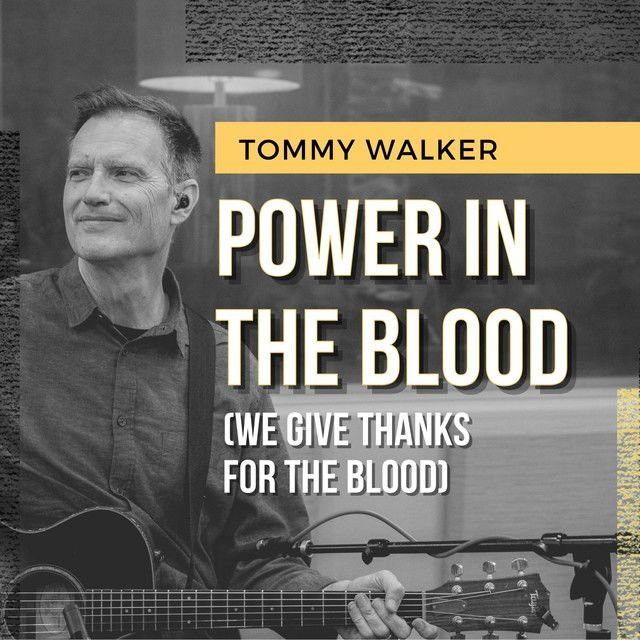
Why ‘Power In the Blood’ Still Moves Churches
The meaning of Power In The Blood (We Give Thanks For The Blood) Tommy Walker, Bethesda Music is rooted in one clear idea: spiritual change is possible because of Christ’s sacrifice. Rather than telling a complex story, the song works like a worship declaration. It asks what people want freedom from—sin, evil, pride, shame—and answers with the same response each time: healing and victory come through the Lamb.
"Power In The Blood (We Give Thanks For The Blood)" - Tommy Walker, Bethesda Music
There's power in the blood, power in the blood
Would you o'er evil a victory win
Loading lyrics...
Unable to load lyrics
We're unable to display the lyrics at this time. Please try again later.
This version also adds a modern worship layer. Alongside the old revival refrain, it includes a fresh response of gratitude, making the song feel both historical and present. That blend helps explain why it still lands so strongly in churches.
A Classic Hymn Reframed for Modern Worship
The song draws from the well-known hymn by Lewis E. Jones, a gospel writer associated with late 19th-century revival music. The writing credit here also includes Thomas Walker, reflecting the newer material added to the traditional core. In plain terms, this is not just a straight hymn performance. It is an update that keeps the central doctrine while reshaping the flow for corporate worship.
Factually, the older hymn has long been part of evangelical and holiness traditions in the United States. That matters because the language can sound intense to modern ears, especially the repeated focus on blood. In its original context, though, that language pointed to redemption, atonement, and cleansing in Christian theology.
Watch the official Power In The Blood (We Give Thanks For The Blood)
music video
What the Song Is Really Saying
At its heart, the song presents faith as both rescue and renewal. The opening questions are aimed at people who feel trapped by moral failure or spiritual weakness. When it asks whether they would be free from the burden of sin, the lyric sets up a problem many worship songs only hint at. Then it answers with the phrase power in the blood
, treating Christ’s sacrifice as the source of release.
That idea continues as the song moves from guilt to transformation. It speaks of victory over evil, freedom from passion and pride
, and cleansing at Calvary’s tide
. Paraphrased, the message is that the cross does not only forgive the past; it also changes the present self.
Interpretation: The song’s power comes from how direct it is. It does not dwell in ambiguity. It names the problem, names the answer, and invites the listener to respond.
From Personal Need to Shared Thanksgiving
One of the most important shifts in this version happens in the added worship section. After the verses focus on what a person needs—freedom, cleansing, victory—the newer lines turn outward and upward into communal praise. The key phrase We give thanks for the blood
changes the emotional posture of the song.
That move matters. Earlier lines sound like invitation or testimony. The added section sounds like gathered worship. Instead of asking what the blood can do, the song starts thanking God for what it has already done.
We give thanks for the blood
All our praise goes to the Lamb
Those two short lines summarize the whole song’s structure: need leads to gratitude, and gratitude leads to praise.
Why the “Lamb” Image Matters
The phrase blood of the Lamb
links the song to biblical symbolism, especially the image of Jesus as the sacrificial Lamb. In Christian reading, that image connects innocence, substitution, and salvation. So when the song uses that title, it is not merely being poetic. It is grounding its message in a larger worship tradition.
The repeated line about wonder-working power
also matters. It gives the song its sense of urgency and confidence. This is not quiet reflection alone. It is a claim that divine power is active, living, and able to transform people now.
Interpretation: For many listeners, that phrase is the emotional center of the song. It turns theology into testimony.
How the Sound Supports the Message
Musically, songs like this work best when they build through repetition, steady rhythm, and a singable melody. That design fits congregational worship. A simple melodic shape lets the church join quickly, while repeated refrains deepen the sense of certainty.
In performance, Tommy Walker and Bethesda Music often lean into accessible worship arrangements rather than highly ornate ones. That approach suits the lyric. A strong rhythmic pulse, layered vocals, and a gradual lift in intensity can make the central claim feel shared instead of merely stated.
The arrangement also helps soften the potential harshness of the imagery. The words are doctrinally weighty, but the sound is usually warm and encouraging. That balance keeps the song from feeling severe. Instead, it feels hopeful.
Why the Song Still Connects
Part of the song’s staying power is its clarity. Many modern worship songs emphasize atmosphere or feeling first. This one emphasizes meaning first. It tells listeners what it believes, why it matters, and how they should respond.
It also offers a complete worship arc:
- It names human struggle.
- It points to a source of cleansing.
- It declares spiritual power.
- It ends in thanksgiving and praise.
That arc makes the song useful in church settings because it can function as confession, assurance, and celebration all at once.
The Lasting Meaning of the Song
The meaning of Power In The Blood (We Give Thanks For The Blood) Tommy Walker, Bethesda Music is ultimately about transformation through Christ’s sacrifice and the grateful worship that follows. Its older hymn language gives it doctrinal depth, while the newer section gives it a modern congregational voice.
Interpretation: The song lasts because it does not only say believers are forgiven. It says they are changed, and then invites them to thank the Lamb together.
That is why it still moves churches: it turns a core Christian belief into a simple, memorable act of worship.
Disclaimer: This interpretation is based on the lyrics provided and the song’s Christian worship context. Meaning can vary depending on the listener, church tradition, and performance setting.








