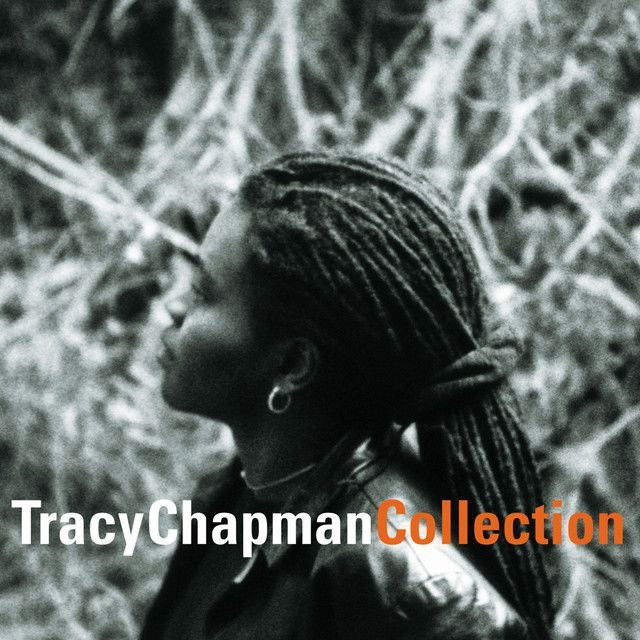
How Tracy Chapman Turns Violence Back on Society
The meaning of Bang, Bang, Bang Tracy Chapman starts with a hard accusation: society creates danger, then acts shocked when that danger returns. In this song, they present violence not as a random event, but as something taught, armed, excused, and then feared.
"Bang, Bang, Bang" - Tracy Chapman
You go and give the boy a gun
Now there ain't no place to run to
Loading lyrics...
Unable to load lyrics
We're unable to display the lyrics at this time. Please try again later.
Tracy Chapman built a career on direct songwriting and moral clarity, from her self-titled debut through later records that kept mixing folk, rock, and social commentary. According to Britannica, they became known for songs that connect personal stories to larger political problems. “Bang, Bang, Bang” fits that pattern. It sounds simple on the surface, but its message is brutal.
A Warning Disguised as a Story
At the center of the song is a repeated image: adults give power to a young person, then panic about what he might do with it. Early on, Chapman frames the problem with give the boy a gun
. That phrase is more than a plot detail. It is the whole argument in miniature.
The song suggests that the boy is not born dangerous in isolation. He is shaped by a world that hands him violence, strips away options, and then blames him for becoming what it trained him to be. When the lyric says there is no place to run
, the fear applies to everyone. The people who created the problem are trapped inside it too.
Interpretation: The “boy” can be read literally as a young man pushed toward crime or war. He can also stand for any neglected person who learns that force is the only language society respects.
Watch the official Bang, Bang, Bang
music video
The Real Target Is Hypocrisy
One of the song’s sharpest moves is exposing double standards. The narrator describes a world willing to ignore violence as long as it stays far away. If harm falls on neighbors, on brothers, sisters and friends
, those in power treat it as someone else’s issue.
That is why the refrain hits so hard. The repeated Bang bang bang
is not just gunfire. It is the sound of a society trying to erase its own guilt. Instead of fixing injustice, it chooses suppression. Instead of asking why someone became violent, it decides to eliminate him.
Chapman also points to distraction as a social tool. The song mentions drugs and candy, suggesting cheap comfort, false happiness, and manipulation. The idea is plain: if people can be numbed, entertained, or bought off, they may not fight back. But that strategy only delays the reckoning.
How the Song’s Timeline Builds Its Meaning
The lyric unfolds almost like a grim chain reaction:
- A vulnerable young person is armed.
- Power makes him feel strong.
- The people around him assume they can control the result.
- They excuse the damage when it hurts others.
- Once the threat comes back toward them, they reach for more violence.
That structure matters because it removes the illusion of surprise. The ending does not feel sudden. It feels earned.
Before you can read
the writing on the wall
He'll shoot you down
This brief moment captures the song’s final warning: by the time society notices the danger it created, it may already be too late.
Sound and Production: Why It Feels So Cold
A big part of the meaning of Bang, Bang, Bang Tracy Chapman comes from its stripped-down sound. Chapman’s music often relies on clear rhythm, strong acoustic framing, and vocals that avoid melodrama. That restraint makes the song more unsettling, not less.
Rather than burying the message under heavy production, the arrangement leaves space around the words. The beat feels steady, almost inevitable. That steadiness mirrors the logic of the lyric: action leads to consequence, and consequence leads to judgment.
Chapman’s singing matters too. They do not oversell the anger. The calm delivery makes the moral charge land harder. It sounds less like an outburst and more like a verdict.
Social Meaning Beyond the Story
The song can connect to several real-world issues in the United States:
- gun violence and how access changes behavior
- poverty and neglect
- cycles of punishment instead of prevention
- public indifference until danger feels personal
Interpretation: The song is not only about one boy with one weapon. It is about institutions that manufacture desperation and then criminalize the people shaped by it. In that reading, the final reversal matters most: the violent figure becomes a reflection of us all
. The threat is terrifying because it mirrors the society that made him.
That idea is classic Chapman. Their best songs often ask listeners to stop pretending private pain and public policy are separate things. The person at the center of the song is not an alien outsider. He is a product of collective choices.
Alternate Readings That Also Fit
There is more than one plausible way to hear the song.
A critique of class power
The lyrics can sound like a message from the privileged to the comfortable. They tolerate suffering on the margins, then panic when the margins strike back.
A broader anti-violence statement
It can also be heard as a warning about any system that teaches domination. Abuse, war, policing, and revenge all follow the same broken logic: force creates more force.
Both readings support the same core point. Violence is never contained as neatly as the powerful hope.
Why the Song Still Lands
“Bang, Bang, Bang” remains effective because it refuses easy innocence. It does not let listeners say the problem came from nowhere. It traces a direct line from neglect to weaponization to fear.
That is the clearest answer to the meaning of Bang, Bang, Bang Tracy Chapman: it is a song about consequences. The people who arm, ignore, distract, and dehumanize others may believe they are safe. Chapman argues they are only postponing the moment when the damage comes home.
That reading is an interpretation, not a definitive statement of artist intent. But the song strongly supports it through its narrative, imagery, and stark, disciplined sound.








