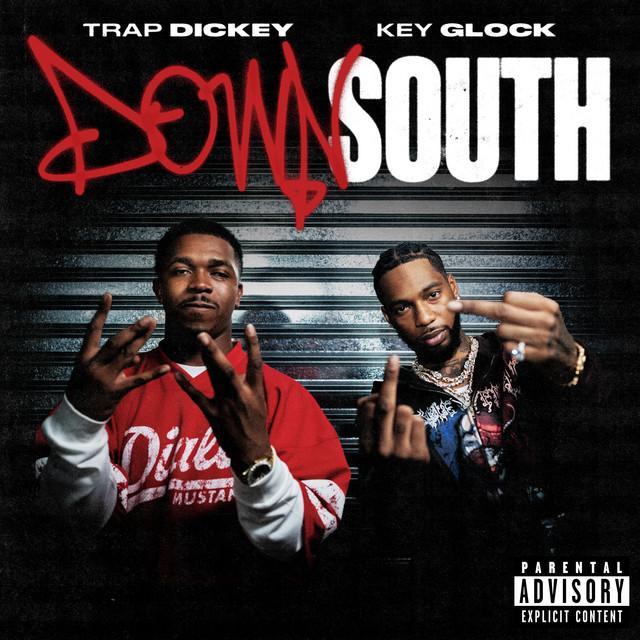
Down South by Trap Dickey, Key Glock
A hometown anthem built on pride and pressure
The meaning of Down South Trap Dickey, Key Glock starts with place. This is not a reflective story-song or a hidden breakup track. It is a regional rap record that turns neighborhood identity into status, survival, and swagger.
"Down South" - Trap Dickey, Key Glock
Down South nigga gettin' money and you know that (boom)
Project baby, takin' pictures like I'm Kodak (Trap)
Loading lyrics...
Unable to load lyrics
We're unable to display the lyrics at this time. Please try again later.
At its core, the song is about being shaped by where they come from and refusing to let outsiders define that world. The verses move through money talk, threats, local references, and sexual brags, but the bigger message is more focused: they present the South, and especially their block, as a place with rules, memory, and earned respect.
That is why the record feels less like a diary entry and more like a flag planted in the ground. When Trap Dickey says Down South
and later points to Crosstracks my hood
, they are doing more than naming geography. They are claiming authority.
What the lyrics are really saying
Place equals identity
A lot of the song's meaning comes from local detail. They mention streets, gangs, projects, and neighborhood habits in a way that makes the song feel lived-in rather than generic. Even when the bars are boastful, they are anchored in specific places.
That matters because the song treats the hood as both origin story and credential. In other words, they are saying they did not borrow this image. They came from it. A line like Project baby
quickly signals a rough upbringing, while the references to blocks and cross streets tell listeners that this identity is tied to real locations.
Money is proof, not just flexing
The track has the usual trap-rap language about cash, cars, and women, but those details are not random decoration. They work as proof of survival and growth. When they brag about making money or buying luxury items, the subtext is that success came out of scarcity.
This is one reason the song feels aggressive rather than celebratory. Wealth here is not calm or comfortable. It is shown as hard-earned and constantly defended.
Violence hangs over the record
The song also carries threat. They talk like people who expect betrayal, envy, and conflict. That atmosphere turns every boast into a warning. Even a catchy hook feels confrontational.
Interpretation: The repeated challenge of how you want that?
sounds like more than a dance-like phrase. It can be heard as a readiness test, as if they are telling rivals to choose how they want a situation handled.
How the hook sharpens the message
The chorus is simple and repetitive, which is exactly why it works. It circles back to the same core ideas: hood loyalty, female attention, and irritation with people who talk big from the outside.
The line about haters needing to stop reinforces the song's main posture. They are not asking for acceptance. They are pushing back against doubters and claiming a higher rank than the people criticizing them.
Left foot, right foot
how you want that?
Those two short phrases show how the song mixes rhythm with confrontation. The words move like a chant, but the attitude remains hard. That blend helps make the track memorable.
Trap Dickey and Key Glock play different roles
Trap Dickey sets the local tone. Their verse is packed with neighborhood markers and direct street framing. They sound like the person introducing the map, telling listeners where they are and who has standing there.
Key Glock then raises the energy with a more polished star presence. Known for a forceful, boast-heavy Memphis style on projects like 5AM in Texas, they often rap with a mix of menace and luxury. That style fits this song perfectly.
Their verse leans harder into dominance: expensive cars, loaded pockets, and confidence that borders on intimidation. If Trap Dickey roots the song in a neighborhood, Key Glock expands it into a larger trap-rap fantasy where local power becomes public status.
The production turns geography into mood
The beat is crucial to the meaning of Down South Trap Dickey, Key Glock. The production uses heavy low end, sharp drums, and a sparse melodic bed, giving the record a dark, uncluttered frame. That kind of beat leaves lots of space for threats and flexes to land.
Instead of sounding emotional in a soft way, the instrumental sounds cold and pressurized. The bass feels like weight. The drums feel like footsteps or warning shots. The repeated vocal tags and ad-libs add movement without softening the tone.
Interpretation: The minimal beat suggests a world where there is no extra comfort, only focus. That makes the hometown references feel more serious. The production does not romanticize the environment; it hardens it.
Why the song connects
Part of the appeal is directness. They do not hide the point in complicated metaphor. Listeners understand quickly that this is a song about pride, territory, status, and survival.
Another reason it works is authenticity. Specific names and local details make the record feel like a real dispatch from a place, not a copy of somebody else's trap formula. In Southern rap, that matters. Place has always been part of the art, from city slang to beat selection to vocal style. The song fits that tradition, and Key Glock's wider profile helps bring that regional energy to more listeners through his Billboard profile and catalog presence.
Final take on the song's meaning
So what is the meaning of Down South Trap Dickey, Key Glock? Most clearly, it is a declaration of origin and power. The song argues that where they are from taught them how to move, how to win, and how to protect what is theirs.
The money talk, street references, and threats all feed that central idea. This is a record about Southern identity under pressure, where pride and danger exist side by side.
That said, any song meaning has limits. This reading is an interpretation based on the lyrics, performance, and production, not a statement of confirmed intent from the artists.







