Why Twisted Sister's Anthem Still Hits
The meaning of We're Not Gonna Take It Twisted Sister starts with a simple idea: people reach a point where they stop accepting control, disrespect, or pressure from above. Twisted Sister turned that feeling into one of rock's clearest chants of refusal.
"We're Not Gonna Take It" - Twisted Sister
No, we ain't gonna take it
We're not gonna take it anymore
Loading lyrics...
Unable to load lyrics
We're unable to display the lyrics at this time. Please try again later.
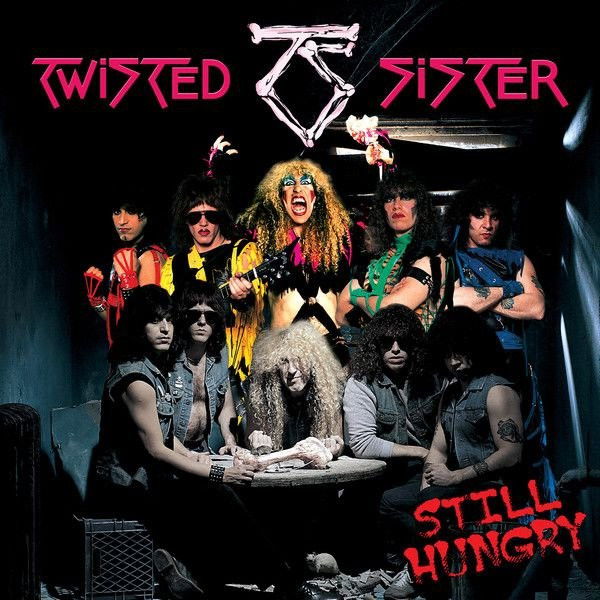
Released in 1984 on Stay Hungry, the song was written by Dee Snider and produced by Tom Werman. It became the band's biggest crossover hit, reaching No. 21 on the Billboard Hot 100 and later earning Gold certification in the U.S. Those facts matter because they show how a heavy rock song crossed into mainstream culture without losing its bite.
A Rebellion Song Built to Fit Many Lives
At its core, the song is about pushing back against authority. The lyrics never lock the conflict to just one enemy, and that is a big reason the track has lasted.
Snider has said he wanted to write an anthem, not a narrowly targeted complaint. That choice makes lines like this is our life
and this is our song
feel open-ended. They can apply to teenagers facing parents, workers facing bosses, or whole groups resisting outside control.
Interpretation: The song is less about revenge than self-definition. Its speaker does not beg for approval. They draw a line and claim the right to choose.

Watch the official We're Not Gonna Take It
music video
The Chorus Turns Frustration Into a Public Chant
The famous hook works because it is direct, repetitive, and communal. When the band sings we're not gonna take it
, they turn a private complaint into a group statement.
That matters to the song's meaning. In the verses, the speaker names the problem: arrogance, condescension, and people trying to decide someone else's future. In the chorus, all that detail gets boiled down to one united answer. The message is not complicated, but that is the point.
We're right
We're free
We'll fight
You'll see
This brief section is almost a mission statement. It frames rebellion as confidence, freedom, and action. The song does not sound wounded. It sounds ready.
The Villain Is Bigger Than One Person
The verses describe someone who talks down to others and assumes power over them. Phrases like don't pick our destiny
and you don't know us
show the deeper issue: the speaker rejects being defined by outsiders.
That is why the song has been easy to reuse in many settings. Snider explained in interviews that he avoided naming one exact target so listeners could bring their own experiences to it. That broad design helped the song become a rallying cry in sports, protests, and pop culture long after 1984.
Interpretation: The real opponent may be any force that treats people as weak, childish, or voiceless. The song fights humiliation as much as control.
How the Sound Makes the Message Feel Huge
The production is crucial to the meaning of We're Not Gonna Take It by Twisted Sister. Tom Werman gives the track a clean, punchy arena-rock sound: hard guitars, a solid backbeat, bright gang vocals, and a chorus built for shouting with friends.
That polished sound matters because the song is not trying to feel dark or hidden. It is meant to burst out in public. The guitars hit with force, but the melody stays catchy enough for mass sing-alongs. Research on the song often notes that its tune was influenced in part by "O Come, All Ye Faithful", which helps explain why the hook feels so instantly familiar and chantable.
Dee Snider's vocal also carries the meaning. He sounds sneering, theatrical, and playful at once. That balance keeps the song from feeling hopeless. Their anger arrives with humor and swagger.
Why the Video Became Part of the Song's Legacy
The music video pushed the song's meaning into popular memory. Directed by Marty Callner, it shows a strict father figure, played by Mark Metcalf of Animal House fame, clashing with a rebellious kid before the scene explodes into cartoon chaos.
The video matters because it gave viewers a simple visual story: uptight authority versus loud self-expression. MTV helped spread that image, and the song quickly became tied to teenage rebellion in the American imagination.
Still, the video is more comedic than literal. Interpretation: It exaggerates the conflict so the song feels fun and liberating, not cruel. That humor is part of why the track stayed accessible.
A Song Misread, Then Proven Durable
In 1985, the Parents Music Resource Center placed the song on its "Filthy Fifteen," claiming violent content. Snider strongly rejected that reading in Senate testimony, arguing the song had been misinterpreted and that the lyrics themselves did not promote violence.
That debate actually reveals something important about the song. Its language is forceful, but its main demand is autonomy. The speakers want respect, not destruction.
Over time, that open meaning gave the song unusual reach. It has shown up in films, sports settings, labor protests, and international resistance movements. Different groups hear the same core idea: no more submission.
Final Take on the Song's Message
So what is the meaning of We're Not Gonna Take It Twisted Sister? It is a loud, catchy declaration that people have the right to define themselves and reject condescension. Its power comes from being broad enough for many listeners, yet sharp enough to feel personal.
That is why the song still works. It turns frustration into solidarity, and solidarity into a chorus almost anyone can use.
Disclaimer: This interpretation separates documented facts about the song's release and reception from critical reading of its lyrics and themes. Meaning can vary by listener.