Why Tyler’s Sweetest Love Song Still Hurts
The meaning of SWEET / I THOUGHT YOU WANTED TO DANCE Tyler, the Creator, Brent Faiyaz, Fana Hues comes down to one hard truth: a beautiful connection is not always a shared commitment. The song begins in pure admiration and ends in emotional whiplash. What sounds like a summer romance slowly reveals itself as a story about mixed signals, timing, ego, and disappointment.
"SWEET / I THOUGHT YOU WANTED TO DANCE" - Tyler, the Creator ft. Brent Faiyaz, Fana Hues
The driver gon' drop you off
Aight, it's warm, the waterfall is crazy (call me when you get lost, lost)
Loading lyrics...
Unable to load lyrics
We're unable to display the lyrics at this time. Please try again later.
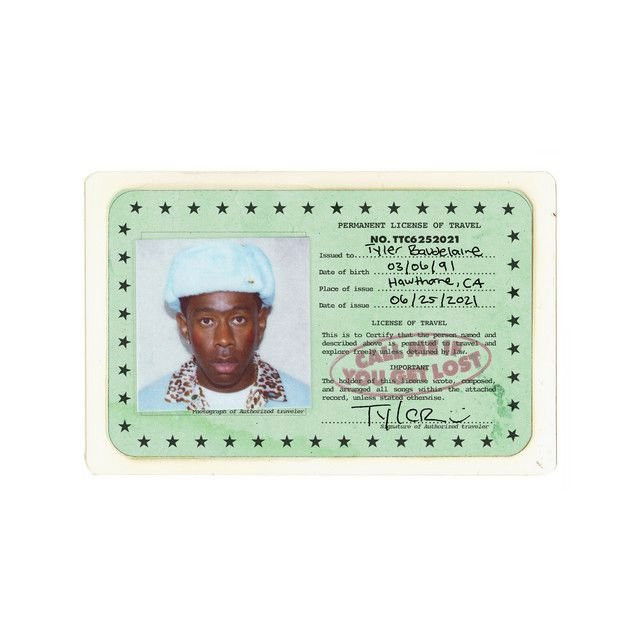
The track appears on Call Me If You Get Lost, released in 2021, a travel-themed album that often turns luxury and movement into emotional symbols. In that setting, this song feels like a postcard from paradise that flips over and becomes a breakup letter.
Two Halves, One Broken Expectation
The song’s first section, "SWEET," is almost overflowing with praise. The narrator sees this person as irresistible, tender, and larger than life. When they compare them to sugar
and call them the sweetest thing
they have known, the point is simple: this is not casual attraction. It feels consuming.
That matters because the second half changes the song’s emotional meaning. "I THOUGHT YOU WANTED TO DANCE" is not just a title switch. It is the moment the fantasy cracks. The phrase standing alone
turns the romance into a scene of public and private embarrassment. They thought this bond was mutual. It was not as clear to the other person.
Interpretation: The split structure shows the distance between desire and reality. Part one is how love feels inside the crush. Part two is what happens when real life answers back.
Watch the official SWEET / I THOUGHT YOU WANTED TO DANCE
music video
What the Chorus Is Really Saying
The chorus of the second half is one of Tyler’s clearest images on the album. Dancing usually needs two people who agree on the rhythm. So when the narrator says they thought the other person wanted to dance, they are really saying they believed both people wanted the same future.
That is why the line hits so hard. It is not just about romance ending. It is about a mistaken reading of intimacy. The narrator thought affection meant commitment. The other person may have felt love too, but not with the same urgency, certainty, or timing.
A Love Song That Admits Its Ego
One reason the song feels sharp is that it does not paint the narrator as perfectly noble. In the long Tyler verse near the end, the mood gets messier. There is resentment, possessiveness, and bruised pride. He wonders what the other person chose in someone else that he could not offer.
Then comes the key self-check: There go my ego
. That moment keeps the song from becoming a simple blame story. The narrator knows jealousy is distorting the picture. They are hurt, but they are also aware that wanting someone does not mean owning the outcome.
This mix of vulnerability and ego is central to Tyler’s writing across much of Call Me If You Get Lost. According to album credits and release information from Columbia Records and Tyler, the Creator’s official channels, the project blends travel fantasy with romantic frustration. This track may be one of the clearest examples of that tension.
How Brent Faiyaz and Fana Hues Change the Mood
Brent Faiyaz and Fana Hues are not just features for texture. They help shape the song’s emotional world. Brent’s voice adds sleek, intimate warmth, making the first half feel seductive and easy. Fana Hues helps the second half feel more airy and bittersweet, as if the relationship is drifting even while desire remains.
Their presence also makes the story feel less trapped inside one voice. Instead, the song becomes a shared emotional atmosphere. That matters in a track about misunderstanding, because it suggests love can be real even when two people are not fully aligned.
The Sound Tells the Story Too
Production is a huge part of the meaning here. "SWEET" leans bright and soft, with a lush groove that feels sunlit and playful. Then the second half stretches out into a smoother, more floating style with disco and reggae-pop touches. The shift is not random. It mirrors the emotional move from certainty to suspension.
The opening feels grounded in physical attraction and praise. Later, the music becomes more open-ended, almost dazed. That makes the repeated idea of wanting to dance feel sadder, not happier. They are still moving, but they are no longer moving together.
A short passage sums up the emotional drop:
The plan was to stick my toe in
Next thing I know
I'm drownin'
That image turns flirtation into overwhelm. What seemed safe and playful became deeper than expected.
The Big Themes Beneath the Romance
Several themes run through the song:
- Idealization: The lover is described in glowing, almost cosmic terms.
- Miscommunication: One person reads the bond as promise; the other does not fully confirm it.
- Timing: The ending suggests the connection may have been real, just poorly timed.
- Ego versus honesty: Hurt feelings and self-awareness exist side by side.
Interpretation: The song is not saying the relationship was fake. It suggests something more painful: it may have been genuine, but still unsustainable.
Final Take on the Song’s Meaning
The meaning of SWEET / I THOUGHT YOU WANTED TO DANCE Tyler, the Creator, Brent Faiyaz, Fana Hues is about the gap between being adored and being chosen. It starts as one of Tyler’s warmest love songs, then reveals itself as a study in romantic confusion. The sweetness is real. So is the loss.
That is why the track lasts. It understands that heartbreak does not always come from betrayal. Sometimes it comes from two people hearing different futures in the same music.
Disclaimer: This interpretation is based on the lyrics, performance, and publicly available context. As with any song, meaning can vary from listener to listener.








